







No products in the cart.
- Latest
- Trending

“I felt numb on one side”: Doctor explains how sudden numbness can signal a brain aneurysm
Comprehensive Summarization:
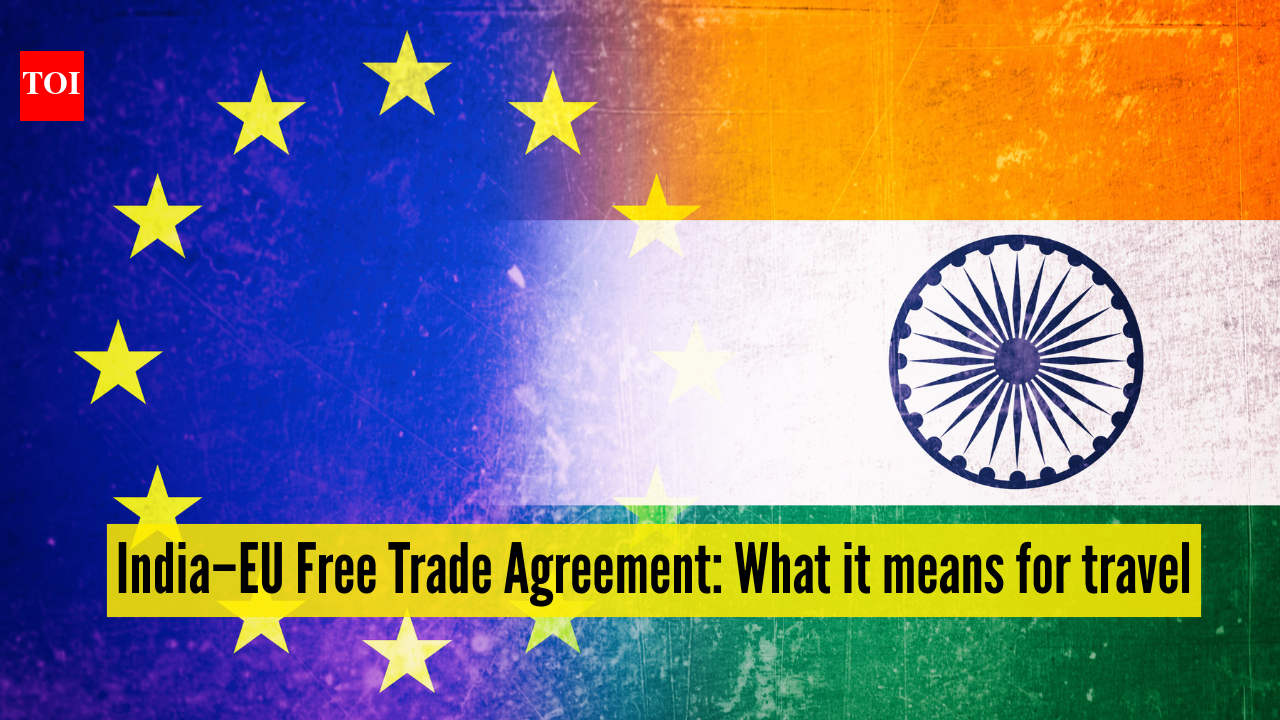
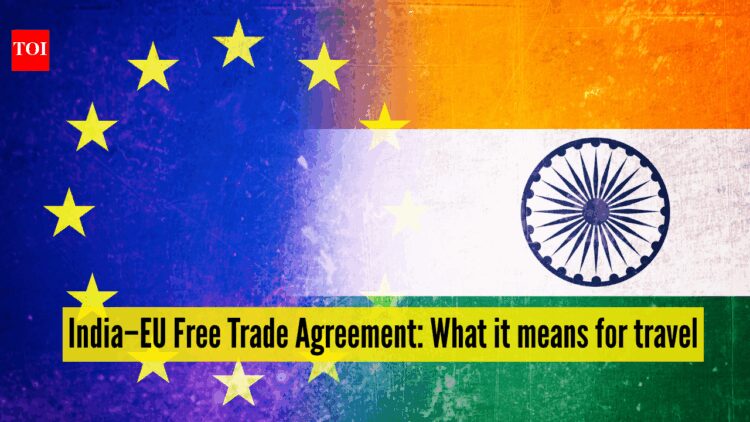
The article discusses the conclusion of the India–European Union Free Trade Agreement (India–EU FTA), a significant development in trade relations between India and Europe. Announced at the 16th India–EU Summit by Prime Minister Narendra Modi and European Commission President Ursula von der Leyen, the agreement is expected to have a profound impact on business travel, professional mobility, tourism-linked services, and long-term people-to-people engagement. The agreement creates a framework that will directly influence these areas, marking a shift in how people, professionals, and businesses move between India and Europe. For further details, readers are directed to the official press release.
Key Points:
Actionable Takeaways:
Enhanced Business Travel and Professional Mobility: The India–EU FTA is expected to streamline business travel and enhance professional mobility between the two regions. This could lead to increased collaboration opportunities for businesses and professionals, fostering innovation and economic growth. The agreement’s focus on reducing trade barriers and facilitating easier movement of people and goods is likely to catalyze new partnerships and projects.
Boost to Tourism-Linked Services: With the agreement facilitating easier movement of people, the tourism sector is poised for growth. This could lead to increased demand for travel-related services, such as accommodation, transportation, and tourism experiences. Businesses in the travel industry should prepare to capitalize on this trend by enhancing their offerings and marketing strategies to attract more visitors from both India and Europe.
Long-Term People-to-People Engagement: The India–EU FTA is expected to foster long-term people-to-people engagement, which could lead to cultural exchanges, educational collaborations, and community projects. This increased interaction could enhance mutual understanding and cooperation between the two regions, contributing to a more interconnected global community.
Contextual Insights:
The conclusion of the India–EU FTA is a significant development in the context of the evolving global trade landscape. The agreement comes at a time when international cooperation is crucial for economic recovery and growth. The focus on business travel, professional mobility, and tourism-linked services highlights the interconnectedness of these sectors in driving economic activity. As the travel industry continues to adapt to post-pandemic realities, the insights from this agreement provide a forward-looking perspective on how businesses and professionals can leverage new opportunities for growth and collaboration. The emphasis on reducing trade barriers and enhancing mobility aligns with broader industry trends towards digital transformation and global connectivity, suggesting that the travel sector will need to embrace technological advancements and innovative business models to thrive in this new environment.
Read the Complete Article.
Get curated travel AI insights — choose the newsletters that matter to you.
ALTOUR Expands into Thailand, Strengthening Corporate Travel Network Across Southeast Asia BANGKOK, THAILAND (25 March, 2026) – ALTOUR, a leading...
Read moreDetails


Comprehensive Summarization: The article discusses the evolving nature of business travel, particularly in the Asia-Pacific (APAC) region, as highlighted by...
Read moreDetails