



No products in the cart.
- Latest
- Trending


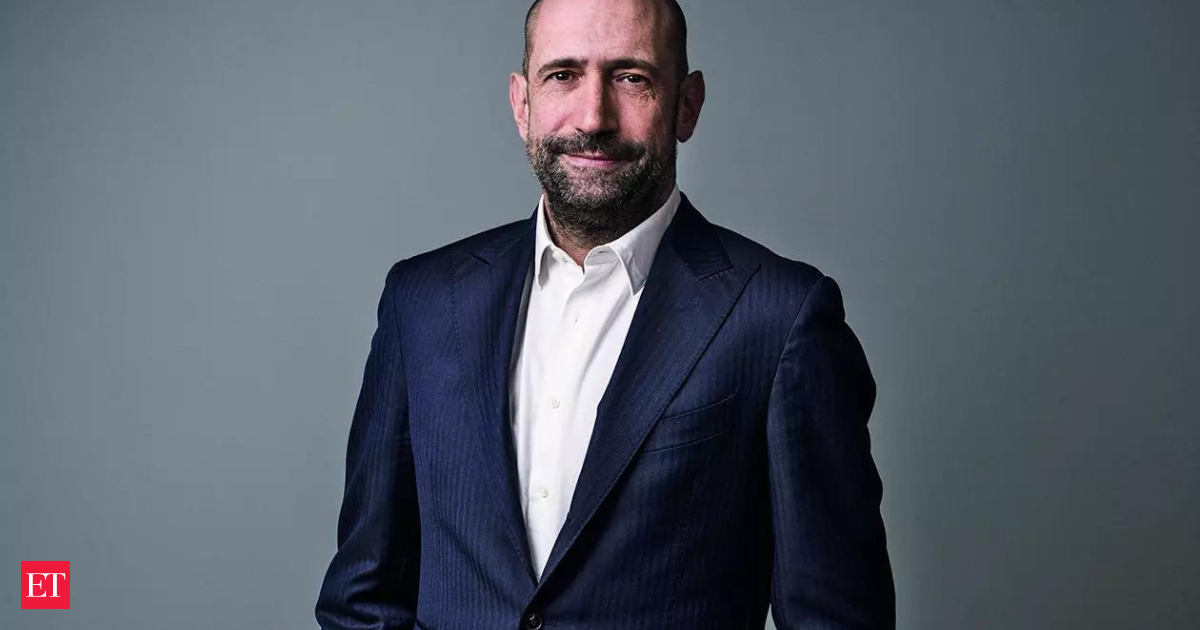
Eduardo Bosch, chief executive of Louvre Hotels Group
Comprehensive Summarization:
The article discusses the positive impact of the free trade agreement between India and the European Union on the travel and hospitality sectors. Eduardo Bosch, CEO of Louvre Hotels Group, a part of the Chinese conglomerate Jin Jiang International, highlights that this agreement will boost demand for travel and hospitality services. He notes that India is the fastest-growing market for Europe’s second-largest hotel operator, which also owns a majority stake in Sarovar Hotels. Bosch believes that the landmark trade agreement will lead to more corporations working and traveling between India and Europe, thereby increasing the demand for hotels. Louvre Hotels Group operates around 2,000 hotels globally in over 70 countries, with a significant presence in both India and Europe.
Key Points:
Actionable Takeaways:
Increased Demand for Hotels in India and Europe: The free trade agreement is likely to lead to increased demand for hotel services in both India and Europe. This presents a significant opportunity for hotel operators, particularly those with a strong presence in these markets. Louvre Hotels Group, with its extensive portfolio, could benefit from this trend by expanding its operations or enhancing its service offerings to cater to the growing demand.
Opportunities for Hotel Operators in India: Given that India is identified as the fastest-growing market for Europe’s second-largest hotel operator, there are substantial opportunities for hotel operators to invest in or expand their presence in India. This could involve developing new hotels, upgrading existing properties, or enhancing hospitality services to meet the rising demand.
Strategic Partnerships and Collaborations: The article suggests that the agreement could lead to more corporations working and traveling between India and Europe. This trend opens up opportunities for strategic partnerships and collaborations between European and Indian businesses in the travel and hospitality sectors. Such collaborations could lead to joint ventures, shared services, or co-branded offerings, further driving growth in the sector.
Contextual Insights:
The article reflects the current trend of increased global trade and travel, driven by free trade agreements that facilitate smoother cross-border operations. The focus on India as a fast-growing market for European hotel operators underscores the growing importance of the Indian hospitality sector in the global landscape. This context is crucial for understanding the potential impact of the free trade agreement on the travel industry. Furthermore, the involvement of major players like Louvre Hotels Group and Jin Jiang International highlights the competitive nature of the hotel industry and the need for strategic adaptation to capitalize on emerging opportunities. The insights provided align with current industry trends, emphasizing the importance of market expansion, strategic partnerships, and operational excellence in driving growth in the travel and hospitality sectors.
Read the Complete Article.
Get curated travel AI insights — choose the newsletters that matter to you.
ALTOUR Expands into Thailand, Strengthening Corporate Travel Network Across Southeast Asia BANGKOK, THAILAND (25 March, 2026) – ALTOUR, a leading...
Read moreDetails


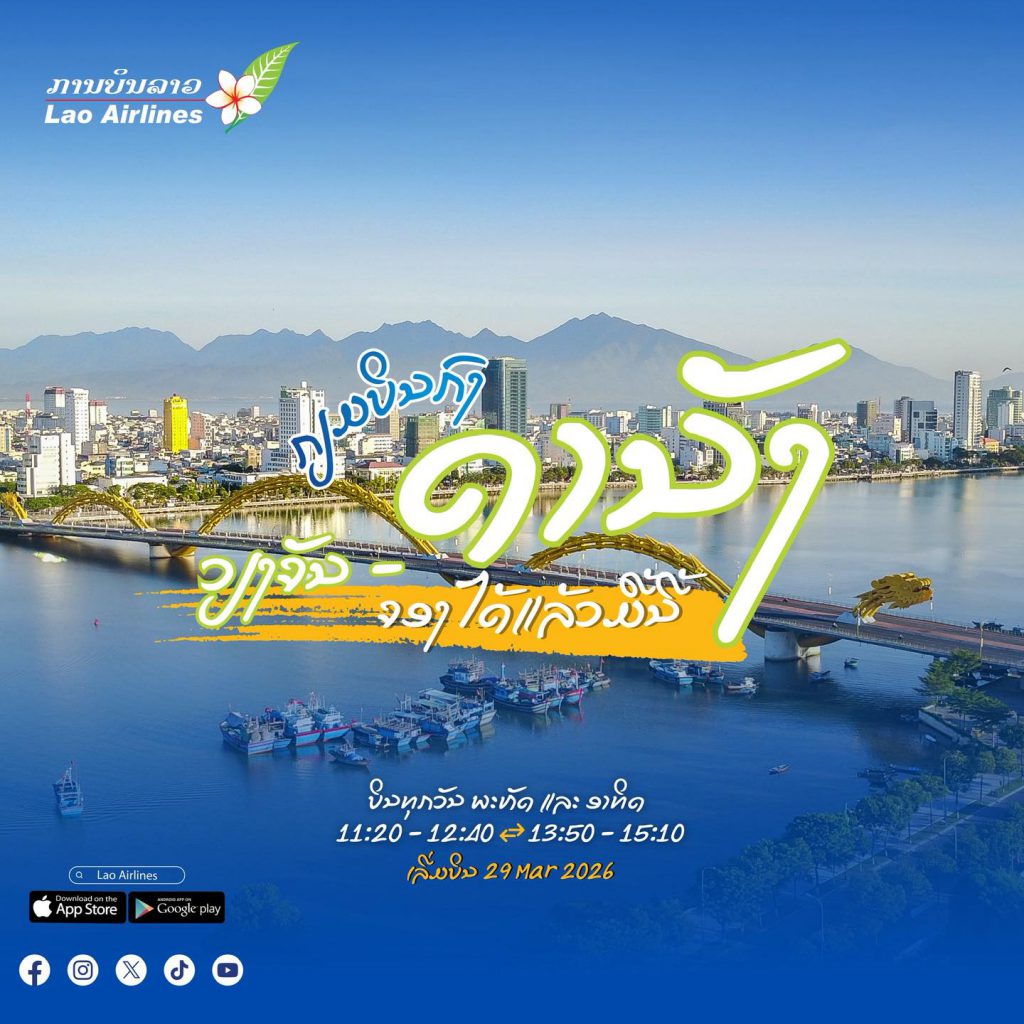
Comprehensive Summarization: Lao Airlines has reintroduced a direct flight route between Vientiane (VTE) and Da Nang (DAD) starting March 29,...
Read moreDetails