





















Travel Capitalist Ventures Expands Check Size to $10 Million to Deepen Emerging Market Conviction
Boutique Travel VC raises investment cap from $1.5M to $10M to lead rounds and support portfolio companies through growth Travel...
Read moreDetails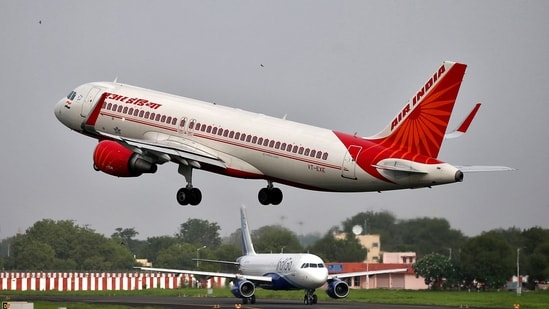

Article Summary:
The article discusses India’s limited success in capitalizing on its inbound tourism potential despite a global surge in international travel. According to a working paper by the government-owned Exim Bank, India’s share of global tourist arrivals increased from 1.2% in 2019 to 1.4% in 2023, indicating a slow pace of growth. While the world saw a 10.7% rise in international tourists in 2024, India captured only a marginal share of this growth. The article highlights the factors contributing to global travel rebound, such as pent-up post-pandemic demand, improved air connectivity, and more relaxed visa regimes, but emphasizes India’s slow pace in leveraging these opportunities.
Key Points:
Actionable Takeaways:
Contextual Insights:
The article’s context is rooted in the post-pandemic recovery of the global travel industry. The significant rise in international tourist arrivals reflects a broader trend of pent-up demand and improved travel conditions. For India, this presents both challenges and opportunities. The slow pace of growth in its tourism sector indicates a need for strategic interventions to capitalize on the global recovery. The emphasis on air connectivity and visa simplification aligns with current industry trends, where technological advancements and regulatory reforms play crucial roles in enhancing travel experiences. Furthermore, the article underscores the importance of leveraging India’s unique cultural and natural assets to differentiate itself in a competitive global market. By adopting a forward-looking perspective, stakeholders can anticipate continued growth in the travel sector and adapt their strategies accordingly.
Read the Complete Article.
Boutique Travel VC raises investment cap from $1.5M to $10M to lead rounds and support portfolio companies through growth Travel...
Read moreDetails




