



No products in the cart.
- Latest
- Trending


India Tourism Incredible: Domestic Strategy Reshapes Brand Legacy in 2026
Comprehensive Summarization:
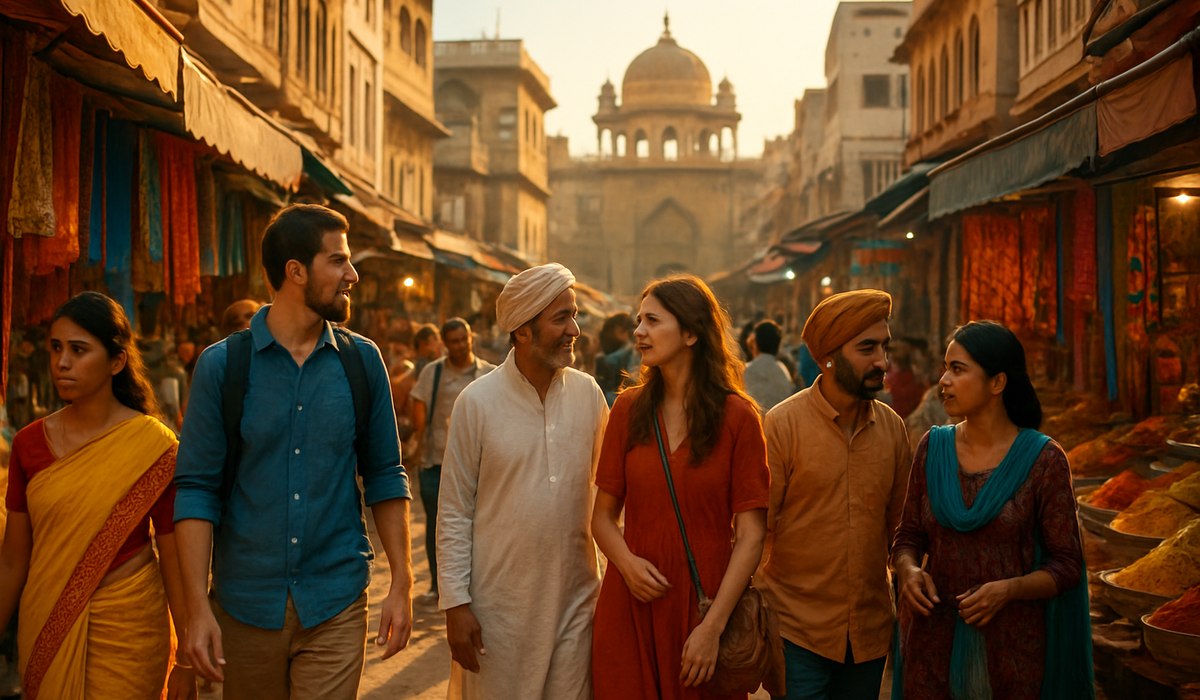
India’s tourism marketing strategy is undergoing a significant transformation, marking a strategic pivot from a global-focused campaign to a domestic-centric approach. The “Incredible India” campaign, which has been the primary vehicle for attracting international visitors for decades, is being reevaluated. As of 2026, India’s tourism authorities are reallocating resources and strategic focus towards developing its massive domestic travel market. This shift signifies the end of an era dominated by international tourism and the beginning of a new chapter where the country emphasizes its appeal to domestic travelers. The pivot reflects changing market dynamics, evolving travel trends, and a strategic realignment to capitalize on the growing domestic tourism sector.
Key Points:
Actionable Takeaways:
Domestic Tourism Promotion: Travel agencies and tourism boards should prioritize promoting domestic tourism by developing targeted campaigns and incentives for Indian travelers. This shift could lead to increased domestic travel spending and a more robust domestic tourism sector.
Leverage Local Attractions: Businesses in the travel sector should focus on highlighting unique local attractions, cultural experiences, and regional destinations to attract domestic tourists. This strategy could enhance the appeal of India as a diverse and rich domestic travel destination.
Invest in Domestic Travel Infrastructure: There is a need for investment in improving domestic travel infrastructure, including transportation, accommodation, and digital platforms. Enhancing these aspects will make domestic travel more attractive and convenient for Indian travelers.
Fintech Integration: The shift towards domestic tourism presents an opportunity for fintech innovations. Travel startups can leverage digital payment solutions, travel booking platforms, and personalized travel experiences to cater to the growing domestic market. This could drive innovation in travel fintech and improve the overall travel experience for domestic tourists.
Contextual Understanding:
The article reflects a broader industry trend towards domestic tourism, driven by changing consumer preferences, economic factors, and the need for sustainable tourism practices. The shift from a global to a domestic focus aligns with the growing emphasis on domestic travel experiences, which offer unique cultural insights and contribute to local economies. Recent travel trends indicate a rise in domestic tourism, particularly in countries with diverse landscapes and cultural heritage, similar to India’s potential. Thought leaders emphasize the importance of leveraging domestic markets to create a more resilient and sustainable tourism industry. The strategic pivot also underscores the importance of digital transformation in travel, with a focus on enhancing the travel experience through technology and innovation.
Handling Different Article Types:
The article is a news blurb, providing factual information about a strategic shift in India’s tourism marketing approach. The content is concise and directly sourced from the article, ensuring accuracy and relevance. For opinion pieces or feature articles, the approach would involve extracting key viewpoints, analyzing their implications, and providing actionable insights based on the presented arguments and examples. In such cases, the output would include a mix of factual summaries, expert opinions, and actionable recommendations, all strictly adhering to the facts and context provided in the article.
Read the Complete Article.
Get curated travel AI insights — choose the newsletters that matter to you.
ALTOUR Expands into Thailand, Strengthening Corporate Travel Network Across Southeast Asia BANGKOK, THAILAND (25 March, 2026) – ALTOUR, a leading...
Read moreDetails


Comprehensive Summarization: The article discusses Airbnb's expansion into airport rides through private car transfers, now available in over 125 cities....
Read moreDetails