







No products in the cart.
- Latest
- Trending

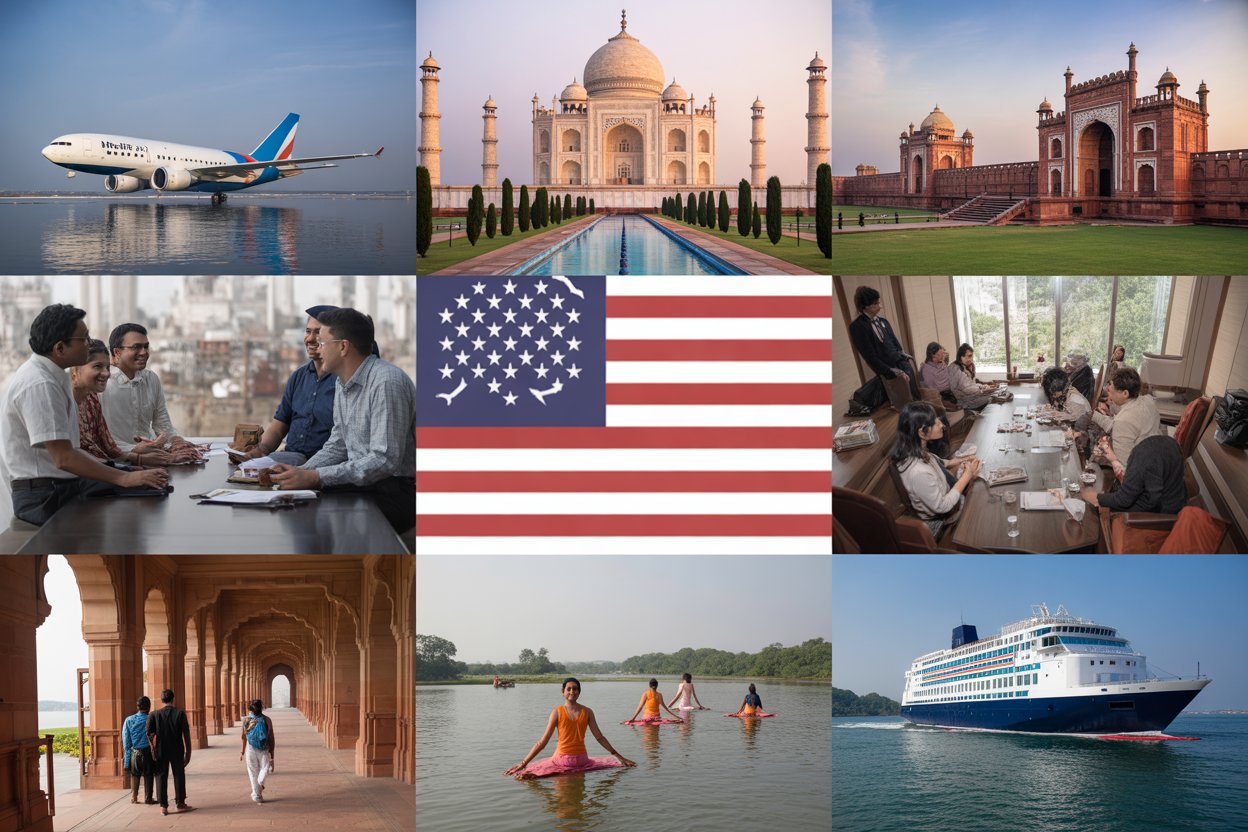
India–US Tourism Growth Ahead as Trade Framework Nears Signing in March 2026
Comprehensive Summarization:
The article discusses the potential impact of the India–United States interim trade framework, set to be formally signed by March 2026, on tourism patterns between India and the US. While the agreement primarily focuses on trade liberalization and tariff adjustments, it is expected to significantly reshape travel, tourism business, visa processes, and people-to-people exchanges. The article explores how this landmark economic pact can catalyze tourism growth, improve air connectivity, spur business travel, and increase visitor exchanges between key cities in India (Delhi, Mumbai, Bengaluru, Hyderabad) and major American cities. It emphasizes the transformative potential of this trade deal in enhancing bilateral relations and fostering economic cooperation, particularly in the travel and tourism sectors.
Key Points:
Actionable Takeaways:
Enhanced Tourism Growth: The improved economic cooperation under the India–US trade framework is likely to boost tourism between India and the US. This could lead to increased visitor numbers, higher hotel occupancy rates, and greater revenue for the travel and tourism sectors in both countries. The expansion of air connectivity and streamlined visa processes will make travel more accessible and convenient, further driving tourism growth.
Improved Air Connectivity: The trade deal is expected to spur improvements in air connectivity between India and the US. This could include increased flight frequencies, expanded route networks, and enhanced air travel services, making it easier and more convenient for travelers to move between the two countries. Improved air connectivity will not only benefit leisure travelers but also business travelers, fostering greater business travel and economic exchanges.
Streamlined Visa Processes: The interim trade framework is likely to lead to streamlined visa processes for citizens of India and the US. Simplified visa procedures will reduce bureaucratic hurdles for travelers, making it easier for individuals to visit each other’s countries for tourism, business, or other purposes. This will encourage more frequent and diverse travel, contributing to the growth of the tourism industry and fostering cultural exchanges.
Contextual Insights:
The article’s focus on the India–US trade deal and its potential impact on tourism aligns with current industry trends emphasizing economic cooperation and cross-border travel. Recent developments in global trade agreements have highlighted the importance of bilateral relations in driving economic growth and fostering tourism. The integration of technology in travel, such as streamlined visa processes and improved air connectivity, reflects broader industry trends towards digital transformation and enhanced customer experiences. Thought leaders in the travel industry have been advocating for such economic pacts to unlock new opportunities for growth and innovation. The article’s emphasis on the transformative potential of the India–US trade deal underscores the importance of strategic partnerships in shaping the future of the travel and tourism sectors. By leveraging these opportunities, stakeholders can capitalize on increased tourism, improved connectivity, and enhanced business travel, ultimately driving economic growth and creating new avenues for collaboration.
Read the Complete Article.
Get curated travel AI insights — choose the newsletters that matter to you.
This spot is reserved for brands with a compelling story for the travel trade. They use this space to cut...
Read moreDetailsALTOUR Expands into Thailand, Strengthening Corporate Travel Network Across Southeast Asia BANGKOK, THAILAND (25 March, 2026) – ALTOUR, a leading...
Read moreDetails


Comprehensive Summarization: The article discusses the travel and hospitality sector in India, which is on the brink of a "once-in-a-generation"...
Read moreDetails