





















Travel Capitalist Ventures Expands Check Size to $10 Million to Deepen Emerging Market Conviction
Boutique Travel VC raises investment cap from $1.5M to $10M to lead rounds and support portfolio companies through growth Travel...
Read moreDetails
Engaging Indian Travel Market with Reverse Mission, ETTravelWorld
Article Summary:
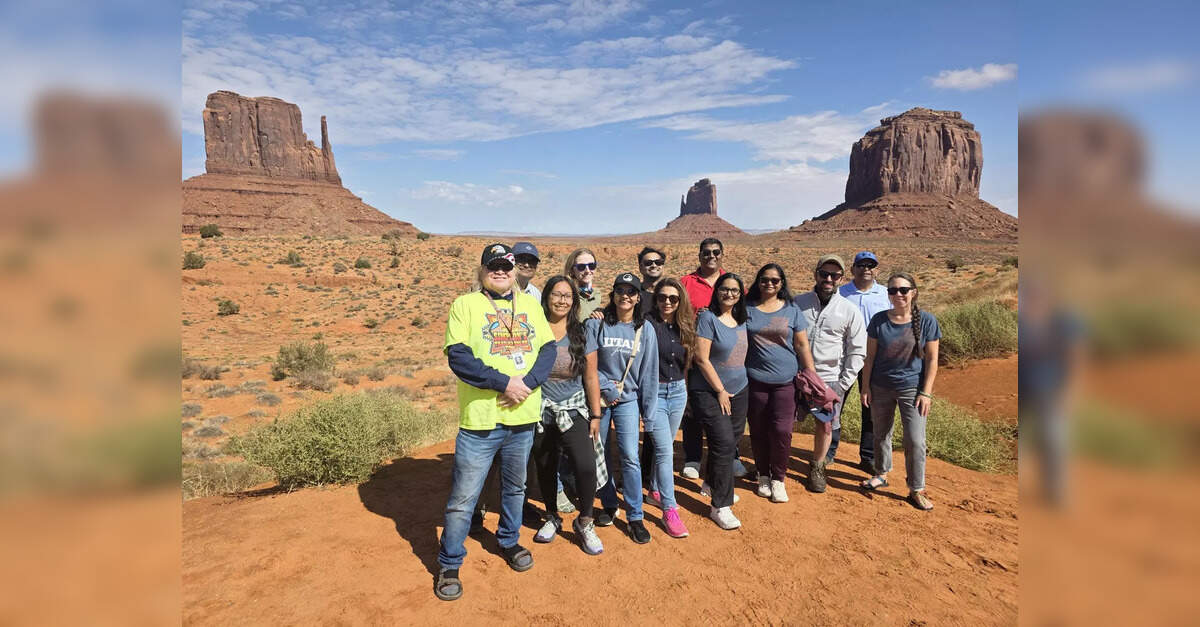
Utah has launched its first-ever ‘reverse mission’ to strengthen tourism engagement with India, inviting Indian travel buyers to experience the state firsthand. Organized by the Utah Office of Tourism in partnership with AVIAREPS India, this initiative marks a shift from traditional promotional roadshows in India to a more immersive, on-ground engagement with local tourism stakeholders. This move reflects Utah’s growing focus on India as a high-potential outbound market.
Key Points:
Actionable Takeaways:
Contextual Insights:
The ‘Utah Reverse Mission 2025’ exemplifies a forward-thinking approach in the travel industry, where destinations are increasingly recognizing the value of engaging with outbound markets directly. This strategy aligns with current industry trends that emphasize experiential marketing and direct engagement with potential buyers. By immersing Indian travel buyers in Utah’s tourism offerings, the state not only showcases its attractions but also builds lasting relationships with key stakeholders. This approach is likely to influence other destinations to adopt similar strategies, fostering a more interconnected global tourism ecosystem. Furthermore, the partnership with AVIAREPS India highlights the growing importance of specialized agencies in facilitating market access and engagement, suggesting a trend towards more collaborative and data-driven tourism strategies.
Read the Complete Article.
Boutique Travel VC raises investment cap from $1.5M to $10M to lead rounds and support portfolio companies through growth Travel...
Read moreDetails




