



![Songjeong Beach is crowded with surfers. [Yonhap News]](https://images.traveltrade.today/wp-content/uploads/2026/04/Busan-Develops-Wellness-Tourism-Products.png)




















Travel Capitalist Ventures Expands Check Size to $10 Million to Deepen Emerging Market Conviction
Boutique Travel VC raises investment cap from $1.5M to $10M to lead rounds and support portfolio companies through growth Travel...
Read moreDetails
India Travel Trends 2025: Spiritual Tourism, Festival Trips and Tier-2 City Growth Drive Paytm Trave...
Article Summary:
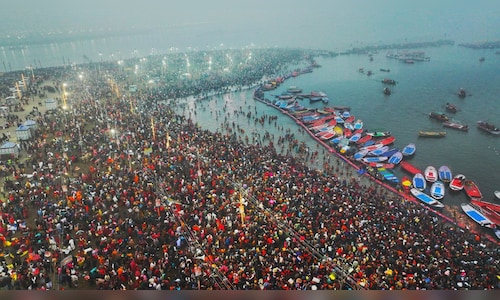
In 2025, India’s travel sector experienced a significant uptick, driven by a surge in spiritual journeys, festival-linked trips, entertainment tourism, and increased demand from Tier-two cities, according to Paytm’s latest travel recap. One97 Communications Limited, the company behind Paytm, reported sustained growth across various travel categories, highlighting a renewed willingness among Indians to travel more frequently. Spiritual tourism, particularly the Kumbh Mela, emerged as a major growth engine, with bookings to Prayagraj increasing more than threefold in January.
Key Points:
Actionable Takeaways:
Contextual Insights:
The article reflects a broader trend in the travel industry towards diversification and the integration of technology to enhance customer experiences. The surge in spiritual tourism, driven by events like the Kumbh Mela, highlights the growing importance of cultural and religious travel in the global market. This trend aligns with the increasing willingness among Indians to travel more frequently, driven by rising aspirations and a renewed interest in cultural exploration. Furthermore, the focus on Tier-two cities suggests a shift in consumer behavior, moving beyond traditional travel hubs to explore more diverse and culturally rich destinations. This shift presents opportunities for travel startups and fintech companies to innovate and cater to the evolving needs of Indian travelers, leveraging digital platforms for seamless booking and payment solutions.
Read the Complete Article.
Boutique Travel VC raises investment cap from $1.5M to $10M to lead rounds and support portfolio companies through growth Travel...
Read moreDetails



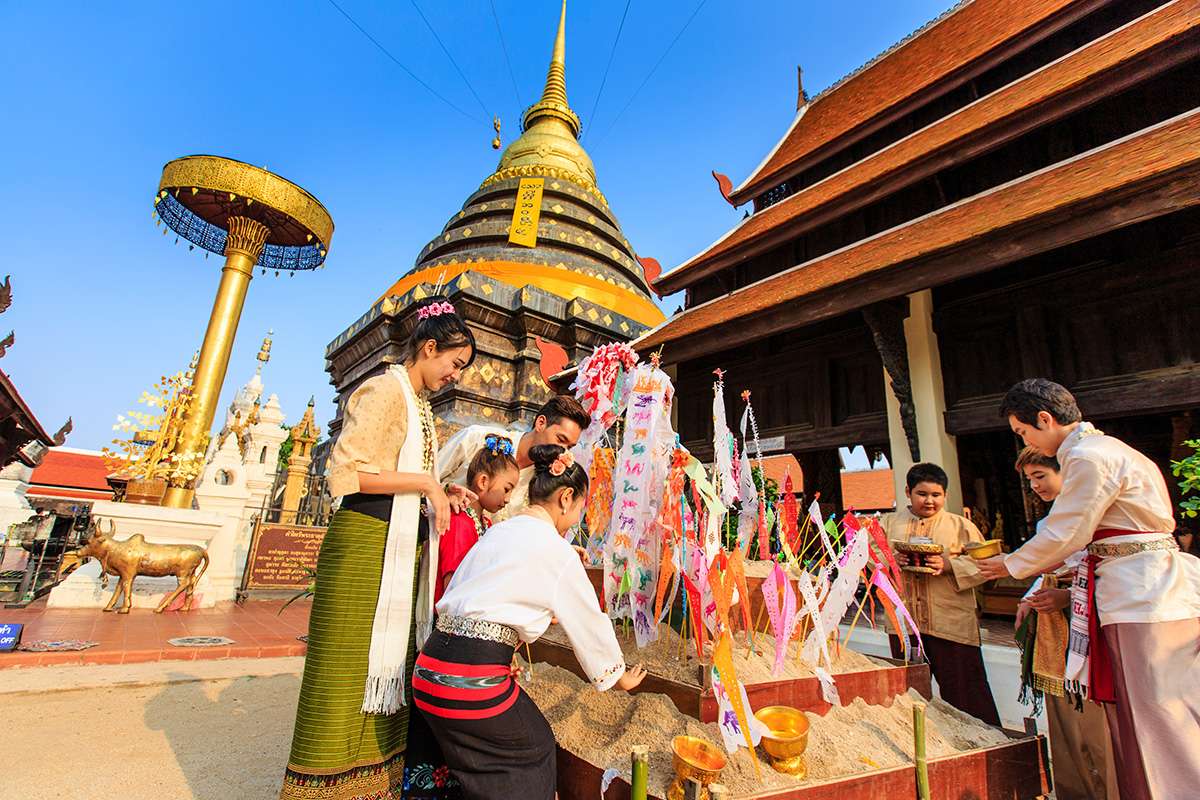
Comprehensive Summarization: The article discusses Thailand's ambitious "365-Day Destination" vision, aimed at elevating high-value tourism, enhancing safety standards, expanding infrastructure,...
Read moreDetails
