
























Travel Capitalist Ventures Expands Check Size to $10 Million to Deepen Emerging Market Conviction
Boutique Travel VC raises investment cap from $1.5M to $10M to lead rounds and support portfolio companies through growth Travel...
Read moreDetails
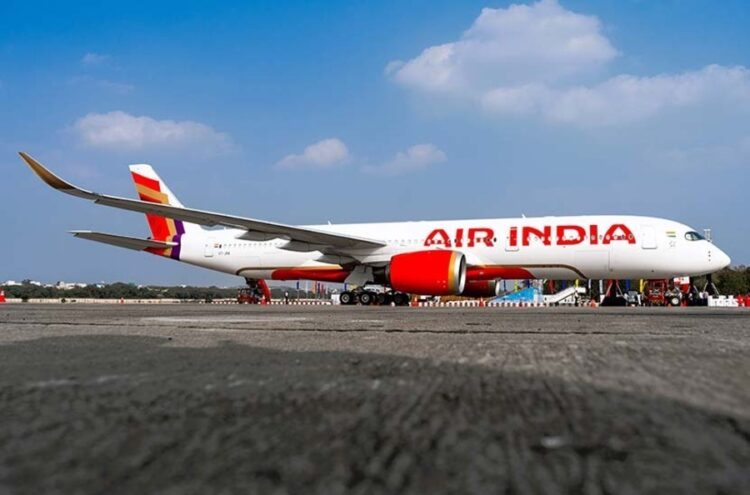
India’s Leadership Transition At Air India Set To Redefine Urban Mobility, Boost Tourism Growth, And...
Article Summary:
India’s leadership transition at Air India is poised to redefine urban mobility and significantly boost the country’s tourism growth. This strategic shift, driven by a renewed focus on expanding global connectivity, is expected to enhance India’s position in the aviation sector. The change in leadership is anticipated to improve operational efficiencies, attract international tourists, and contribute to the country’s broader economic goals by increasing air traffic and encouraging tourism.
Key Points:
Leadership Transition at Air India: The article highlights a significant leadership change at Air India, which is expected to bring about transformative changes in the aviation sector.
Boost to Tourism Growth: The transition is anticipated to play a pivotal role in boosting the country’s tourism growth, indicating a positive impact on the travel and tourism industry.
Expansion of Global Connectivity: With a renewed focus on expanding global connectivity, Air India aims to strengthen its position in the aviation sector, suggesting a strategic shift towards global expansion.
Operational Efficiencies: The leadership change is expected to improve operational efficiencies within Air India, which could lead to cost savings and enhanced service delivery.
Increased Air Traffic: The strategic shift is anticipated to contribute to increased air traffic, which could further stimulate tourism growth and economic activity.
Actionable Takeaways:
Enhanced Tourism Infrastructure: The leadership transition at Air India could lead to improved infrastructure and services in key tourist destinations, making travel more attractive and convenient for international tourists. This could result in increased tourist arrivals and a boost to the hospitality and tourism sectors.
Strategic Partnerships and Collaborations: The focus on expanding global connectivity may prompt Air India to form strategic partnerships with other airlines, travel agencies, and tourism boards. These collaborations could open up new markets, enhance service offerings, and drive innovation in travel tech and fintech solutions.
Investment in Technology and Fintech: With a renewed focus on global connectivity, there may be increased investment in travel technology and fintech solutions. This could include the development of advanced booking systems, seamless payment gateways, and integrated travel management platforms, enhancing the overall travel experience for customers.
Contextual Insights:
The leadership transition at Air India reflects broader trends in the aviation industry, where strategic leadership changes are often accompanied by shifts in focus towards global expansion and enhanced customer experiences. This aligns with the current travel industry’s emphasis on digital transformation, operational efficiency, and customer-centric services. The article’s context also highlights the importance of tourism growth in driving economic development, a key consideration for policymakers and industry stakeholders.
In the broader context of the travel industry, the focus on global connectivity and operational efficiencies is indicative of a trend towards more integrated and seamless travel experiences. This is supported by recent insights from thought leaders who emphasize the role of technology in enhancing travel experiences and driving innovation in sectors such as fintech and travel tech. The strategic shift at Air India could serve as a catalyst for similar developments across the industry, encouraging other airlines and travel service providers to adopt similar strategies to remain competitive in a rapidly evolving market.
Read the Complete Article.
Boutique Travel VC raises investment cap from $1.5M to $10M to lead rounds and support portfolio companies through growth Travel...
Read moreDetails



Comprehensive Summarization: Uber has announced its acquisition of Blacklane, a Berlin-based global chauffeur service platform, in a deal expected to...
Read moreDetails
