
























Travel Capitalist Ventures Expands Check Size to $10 Million to Deepen Emerging Market Conviction
Boutique Travel VC raises investment cap from $1.5M to $10M to lead rounds and support portfolio companies through growth Travel...
Read moreDetails
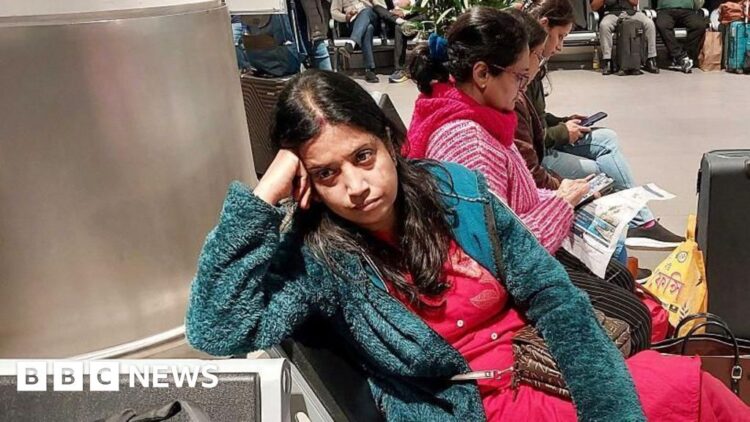
Thousands of passengers were left stranded after IndiGo cancelled flights last week
Article Summary:
Last week, thousands of passengers were stranded in India after IndiGo, the country’s largest airline, abruptly cancelled over 1,200 flights. This sudden wave of cancellations, which left hundreds of thousands of travelers stranded, pushed India’s aviation sector into one of its worst crises in years. The article highlights the personal impact on individuals like Manjuri, who was left stranded while attempting to make her way to Kolkata for her husband’s final farewell. The situation underscores the vulnerabilities in India’s aviation infrastructure and the broader implications for the travel industry, particularly in terms of reliability and crisis management.
Key Points:
Actionable Takeaways:
Enhance Crisis Management Protocols: Airlines should invest in robust crisis management systems to quickly respond to operational disruptions, minimizing passenger inconvenience and reputational damage. This includes real-time communication strategies and contingency plans for large-scale cancellations.
Invest in Infrastructure Resilience: The incident highlights the need for airlines to bolster their operational infrastructure, particularly in handling unexpected cancellations. This could involve upgrading airport facilities, improving ground staff training, and ensuring backup operational plans are in place.
Leverage Technology for Real-Time Updates: Travel tech companies can develop and enhance real-time tracking and communication tools for passengers. These tools can provide immediate updates during disruptions, improving transparency and reducing anxiety among travelers.
Contextual Insights:
The recent IndiGo flight cancellations are a stark reminder of the vulnerabilities within India’s aviation sector. This crisis is emblematic of broader challenges faced by the travel industry, including the need for resilient infrastructure and effective crisis management. In the current landscape, where travel disruptions are becoming more frequent due to various factors such as weather, operational inefficiencies, and global health crises, the industry must adapt swiftly. Thought leaders emphasize the importance of integrating advanced technologies to enhance operational reliability and passenger experience. Innovations in travel tech, such as AI-driven predictive analytics for flight delays and automated communication systems, are becoming increasingly vital. Furthermore, there is a growing trend towards greater transparency and customer-centric approaches in crisis situations, which can help rebuild trust and mitigate the long-term impact on brand reputation. As the industry evolves, stakeholders must remain vigilant and proactive in addressing these challenges to ensure a more resilient and customer-focused travel ecosystem.
Read the Complete Article.
Boutique Travel VC raises investment cap from $1.5M to $10M to lead rounds and support portfolio companies through growth Travel...
Read moreDetails




