





No products in the cart.
- Latest
- Trending


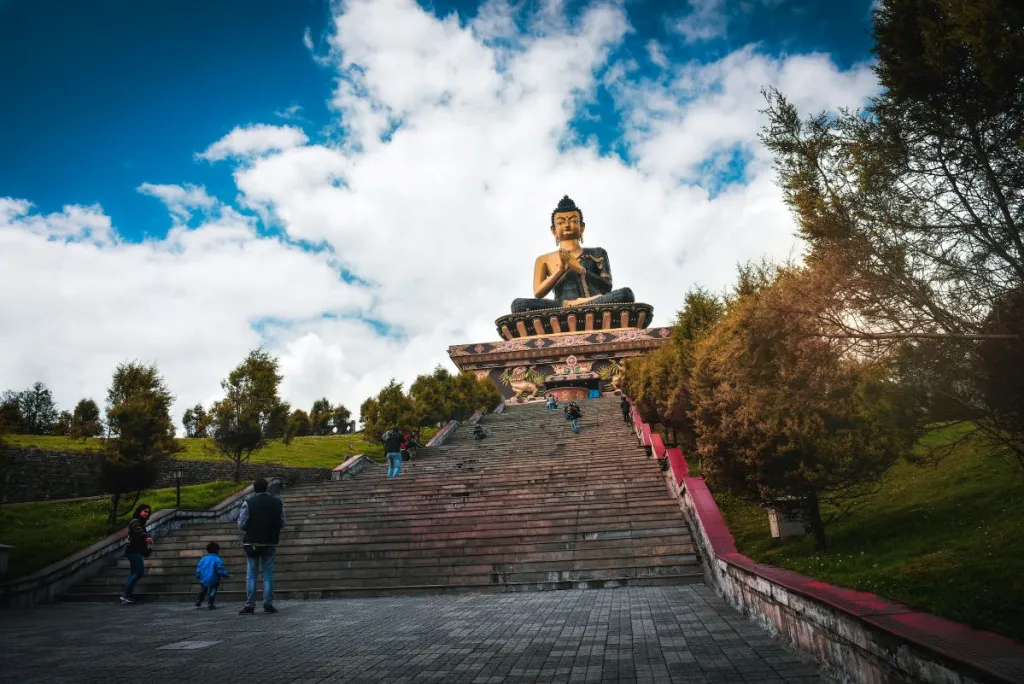
How India’s Heritage Sites Will Become Vibrant Tourism Destinations
Comprehensive Summarization:
The article discusses the importance of empowering local communities in heritage tourism to protect and strengthen cultural integrity. Elton Rodrigues, director of HostMyTrips, emphasizes that local communities should be at the heart of experiential heritage tourism, suggesting training residents as guides and storytellers, local hiring, and partnerships with regional artisans to benefit the local economy. Safeguards such as clear guidelines on storytelling, performances, and visitor conduct are recommended to prevent cultural misrepresentation. Arun Kundu, director of Inbound Travel & Luxury Train Business at Ebix Travels, adds that inadequate basic infrastructure, including poor last-mile connectivity and limited parking, is a significant challenge in the industry. The article underscores the need for a balanced approach that respects cultural heritage while fostering economic growth through tourism.
Key Points:
Actionable Takeaways:
Contextual Insights:
The article reflects current industry trends emphasizing the importance of cultural preservation and economic empowerment in tourism. With increasing awareness of cultural sensitivity and the need for sustainable tourism practices, the focus on empowering local communities aligns with global efforts to promote responsible travel. The mention of inadequate infrastructure highlights ongoing challenges in the travel sector, particularly in regions reliant on tourism for economic development. As the travel industry continues to evolve, integrating technological solutions to improve infrastructure and enhance visitor experiences will be essential. Thought leaders suggest that startups focusing on travel tech, particularly those addressing infrastructure and cultural representation, are poised to play a significant role in shaping the future of tourism. This forward-looking perspective underscores the potential for innovation to address existing challenges and drive sustainable growth in the industry.
Read the Complete Article.
Get curated travel AI insights — choose the newsletters that matter to you.
ALTOUR Expands into Thailand, Strengthening Corporate Travel Network Across Southeast Asia BANGKOK, THAILAND (25 March, 2026) – ALTOUR, a leading...
Read moreDetails


HSMAI Mike Leven Leadership Conference 2026 in Los Angeles focuses on post-pandemic cruise industry recovery and strategy, with insights on...
Read moreDetails