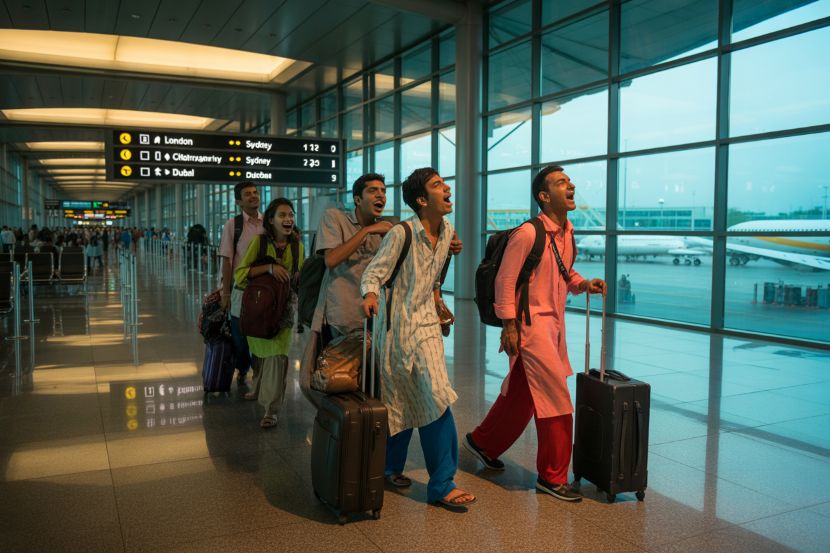
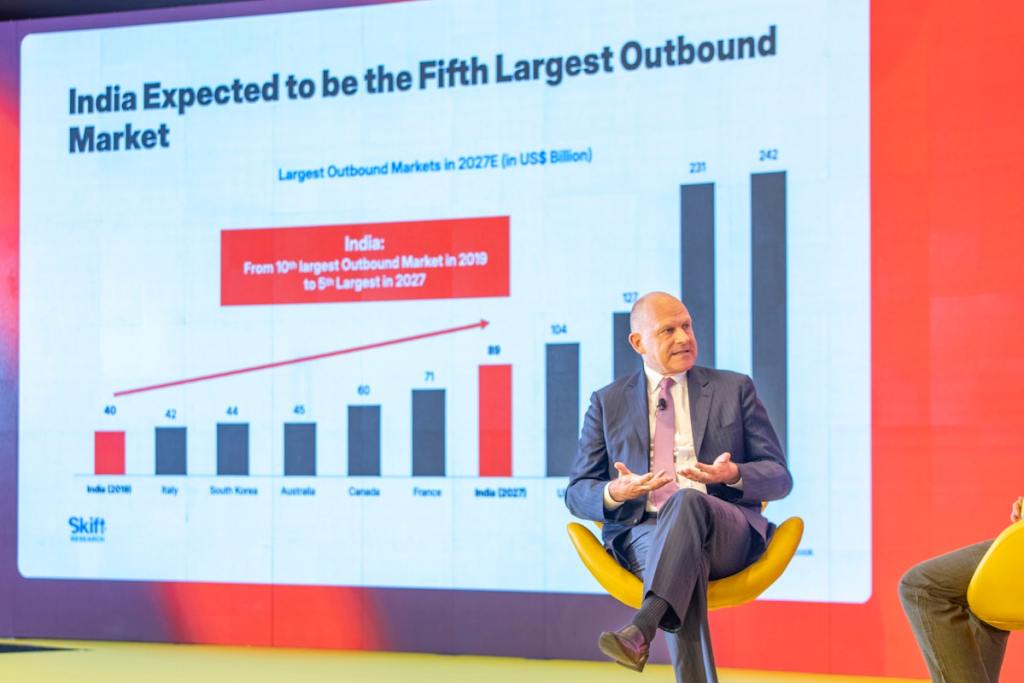
India’s outbound travel market has shown remarkable growth, but this growth follows a distinctive pattern compared to mature Southeast Asian markets. The surge in outbound tourism is primarily driven by first-time travelers, presenting both opportunities and challenges for the global tourism industry. This shift is largely due to improved passport facilities and visa easing, which are opening up new avenues for travel from Southeast Asia to Europe and Australia.
Key Points:
Growth in India’s Outbound Tourism:India’s outbound travel market has experienced significant growth, setting it apart from more mature markets in Southeast Asia.
First-Time Travelers as Drivers: The surge in outbound tourism is primarily driven by first-time travelers, indicating a new wave of travelers entering the global tourism market.
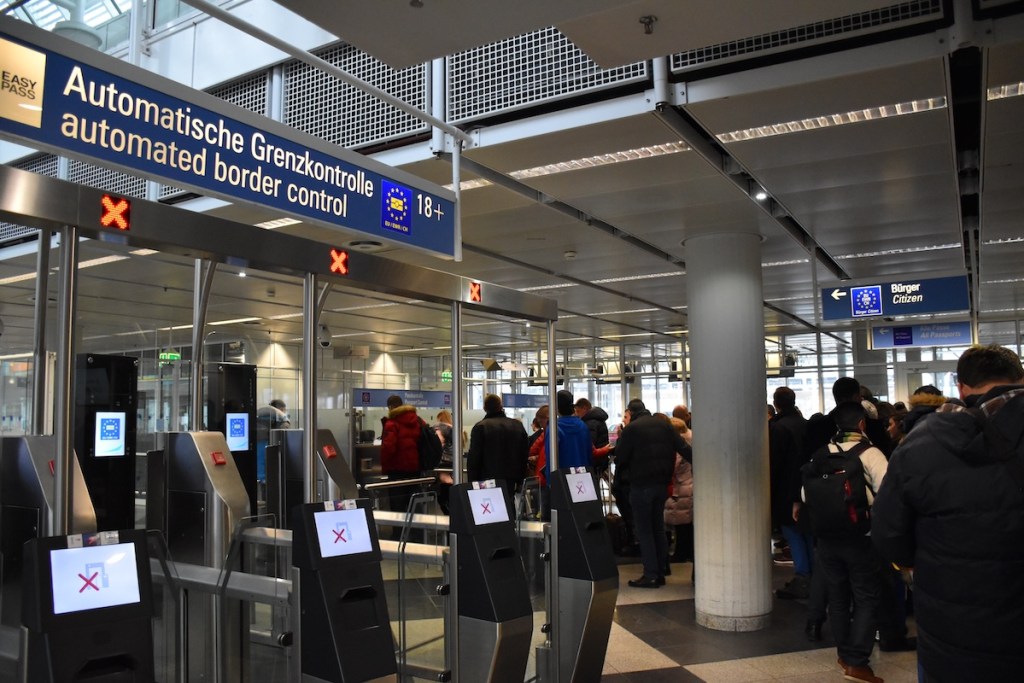
Impact of Passport Growth and Visa Easing: Improvements in passport facilities and visa easing have played a crucial role in facilitating this growth, making travel more accessible and attractive.
Global Tourism Industry Implications: This shift opens up fresh opportunities and challenges for the global tourism industry, particularly in terms of catering to first-time travelers and adapting to new travel patterns.
Actionable Takeaways:
Targeting First-Time Travelers: Travel companies and service providers should focus on marketing strategies that specifically target first-time travelers. This could include creating tailored travel packages, offering first-time traveler discounts, and providing comprehensive travel guides that cater to the needs and concerns of first-time travelers.
Leveraging Improved Passport Facilities: Countries with improved passport facilities should capitalize on this trend by enhancing their tourism marketing efforts. This could involve promoting their countries as ideal destinations for first-time travelers, highlighting visa-friendly policies, and leveraging digital platforms to reach a global audience of first-time travelers.
Adapting to New Travel Patterns: The global tourism industry should adapt its offerings to cater to the growing number of first-time travelers. This could involve developing new travel products and services that cater to the unique needs of this demographic, such as simplified booking processes, comprehensive travel insurance options, and curated travel experiences designed for first-time visitors.
Contextual Insights:
The article reflects the evolving dynamics of the global travel industry, particularly in the context of India’s outbound tourism surge. The shift towards first-time travelers highlights a broader trend in the travel sector, where new demographics are increasingly becoming key drivers of market growth. This trend is supported by recent advancements in passport facilities and visa policies, which have made international travel more accessible and appealing to a broader audience. As the travel industry continues to evolve, companies that can effectively target and cater to first-time travelers are likely to gain a competitive edge. Furthermore, the focus on improving passport facilities and visa processes underscores the importance of regulatory and policy frameworks in shaping the future of global travel. By staying attuned to these trends and leveraging them strategically, industry players can position themselves to capitalize on the emerging opportunities presented by this shift in travel behavior.
Comprehensive Summarization: Korean Air and French space company Exotrail have signed a Memorandum of Understanding (MOU) to collaborate on developing...