







No products in the cart.
- Latest
- Trending

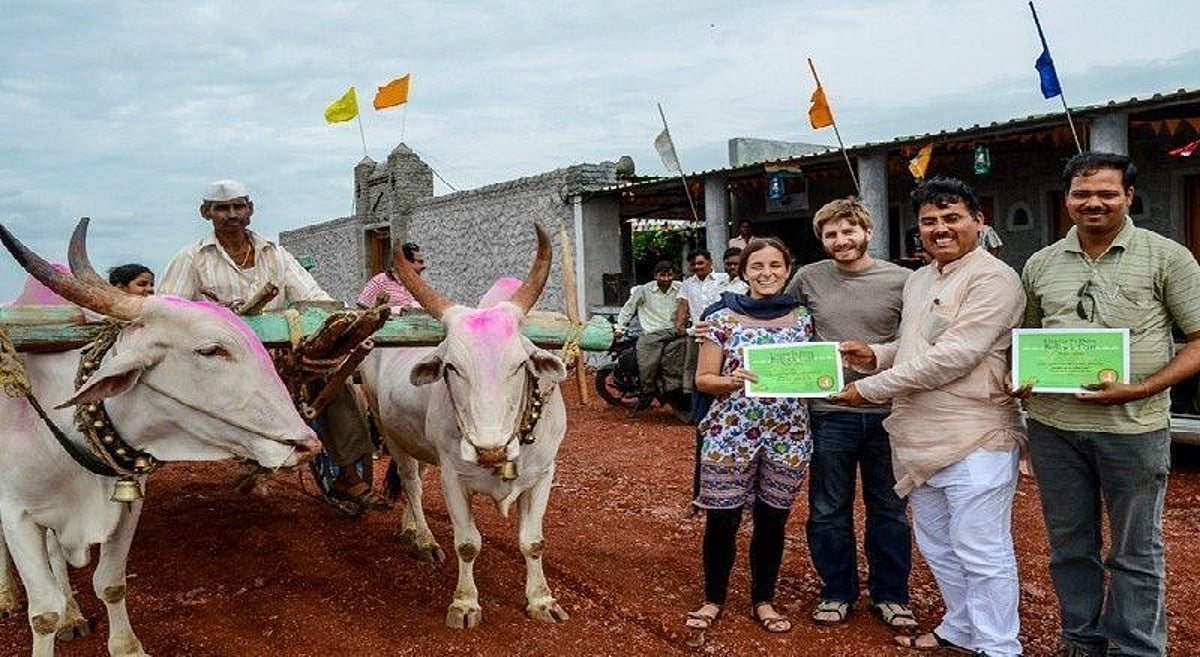
Kotwade Village, Ratnagiri.
Comprehensive Summarization:
The article provides a firsthand account of the author’s experience in Kotawade, a village outside Ratnagiri on the Konkan coast, during a trip through the rural areas of India. The village is characterized by homestays, a new museum dedicated to Konkan culture, and local-serving restaurants offering Malwani cuisine. Despite the presence of larger hotels in the city, the village maintains a serene, traditional atmosphere. The author is impressed by the positive impact of rural tourism on the village, yet notes the intrusion of urban dwellers at the sea, where tourists flock to enjoy water sports at low costs. This juxtaposition highlights the dual nature of rural tourism in India: its potential for sustainable development and the challenges posed by mass tourism.
Key Points:
Actionable Takeaways:
Promote Sustainable Rural Tourism: Encourage travel companies and policymakers to develop and promote sustainable tourism models in rural areas, as demonstrated by Kotawade. This can help generate economic benefits for local communities while preserving cultural heritage.
Balance Mass Tourism with Local Experiences: Develop strategies to manage the influx of urban tourists in coastal areas, ensuring that local residents can enjoy the benefits of tourism without being overwhelmed. This could involve setting limits on tourist numbers, promoting off-season tourism, or enhancing local infrastructure to support smaller-scale tourism activities.
Leverage Local Culture and Cuisine: Highlight the role of local culture and cuisine in attracting tourists, as seen in Kotawade’s success with Malwani cuisine. Travel businesses should invest in showcasing authentic local experiences to differentiate themselves in a competitive market and support local economies.
Contextual Insights:
The article reflects current travel industry trends, particularly the growing emphasis on sustainable and culturally immersive tourism experiences. Thought leaders in the travel sector are increasingly advocating for responsible tourism practices that prioritize the well-being of local communities and the preservation of natural and cultural resources. The case of Kotawade illustrates how rural tourism can be a catalyst for economic development in underserved areas, provided it is managed thoughtfully. As the travel industry continues to evolve, integrating technology to enhance the tourist experience while minimizing environmental impact will be crucial. Innovations in digital platforms for booking rural accommodations, virtual tours of cultural sites, and mobile apps for local guides are emerging as key areas of growth. By adopting these forward-looking strategies, the travel industry can ensure that rural areas like Kotawade continue to thrive in the face of increasing global tourism demand.
Read the Complete Article.
Get curated travel AI insights — choose the newsletters that matter to you.
This spot is reserved for brands with a compelling story for the travel trade. They use this space to cut...
Read moreDetailsALTOUR Expands into Thailand, Strengthening Corporate Travel Network Across Southeast Asia BANGKOK, THAILAND (25 March, 2026) – ALTOUR, a leading...
Read moreDetails


Comprehensive Summarization: Yatra Online, led by Dr. Shakti Goel and Upasana Gupta, is leveraging AI, data, and cloud technology to...
Read moreDetails