

















Travel Capitalist Ventures Expands Check Size to $10 Million to Deepen Emerging Market Conviction
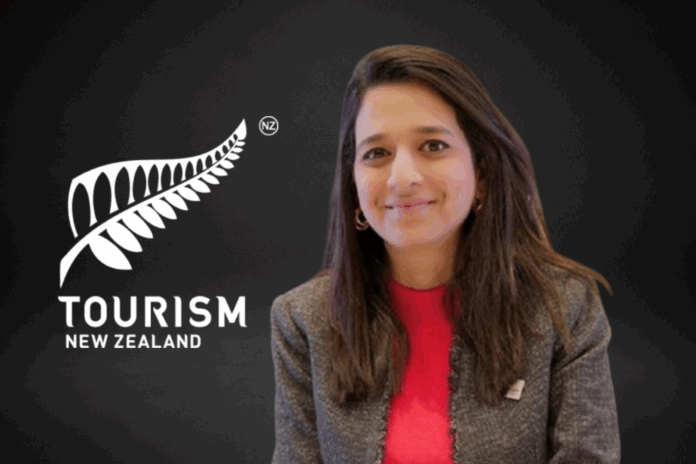
Boutique Travel VC raises investment cap from $1.5M to $10M to lead rounds and support portfolio companies through growth Travel...
Read moreDetails
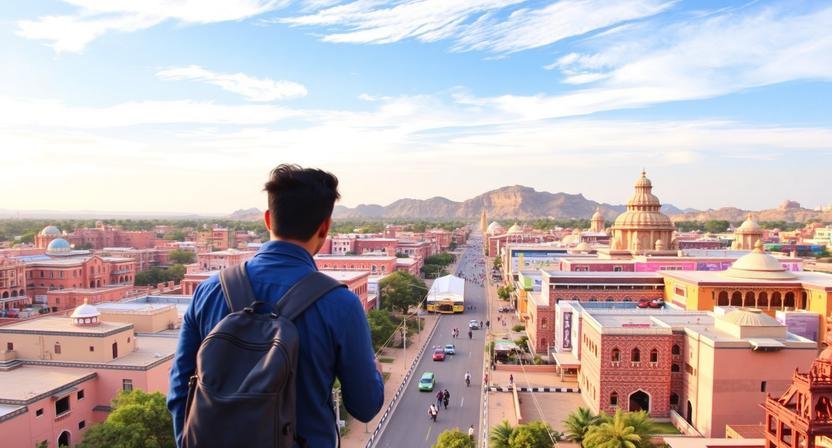
India’s Tourism Sector Witness Rapid Growth with Hadoti Region of Rajasthan Poised for Success, High...
Article Summary:
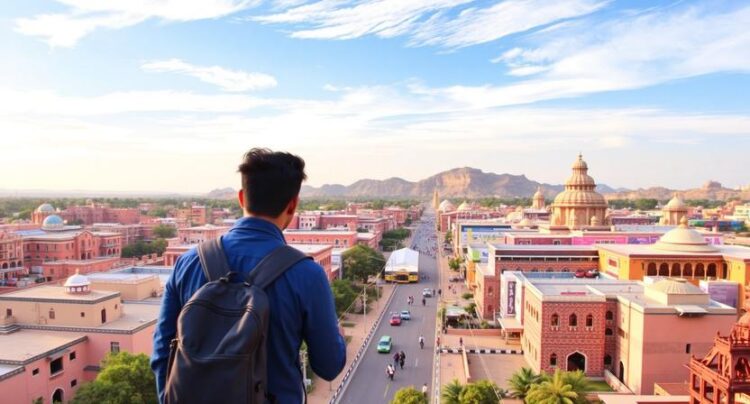
India’s tourism sector is experiencing rapid growth, with the domestic side increasing significantly. In 2025, India welcomed over 20 million foreign tourists, marking a notable achievement. Rajasthan, particularly the Hadoti region, is emerging as a key player in this growth, highlighted by the first-ever Hadoti Travel Mart in Kota. This event underscores the region’s potential for tourism success, driven by its rich cultural heritage.
Key Points:
Actionable Takeaways:
Contextual Insights:
The article reflects the broader trend of rapid growth in India’s tourism sector, particularly in regions with rich cultural heritage. The success of the Hadoti Travel Mart in Kota is indicative of the growing interest in cultural tourism, a trend that is expected to continue. This aligns with the latest travel trends, which emphasize experiential and culturally immersive travel experiences. Thought leaders in the travel industry are increasingly advocating for sustainable and responsible tourism practices, which are also highlighted in the article. By focusing on these aspects, stakeholders in the travel industry can capitalize on the current momentum in India’s tourism sector, ensuring sustainable growth and attracting a diverse range of tourists.
Read the Complete Article.
Boutique Travel VC raises investment cap from $1.5M to $10M to lead rounds and support portfolio companies through growth Travel...
Read moreDetails



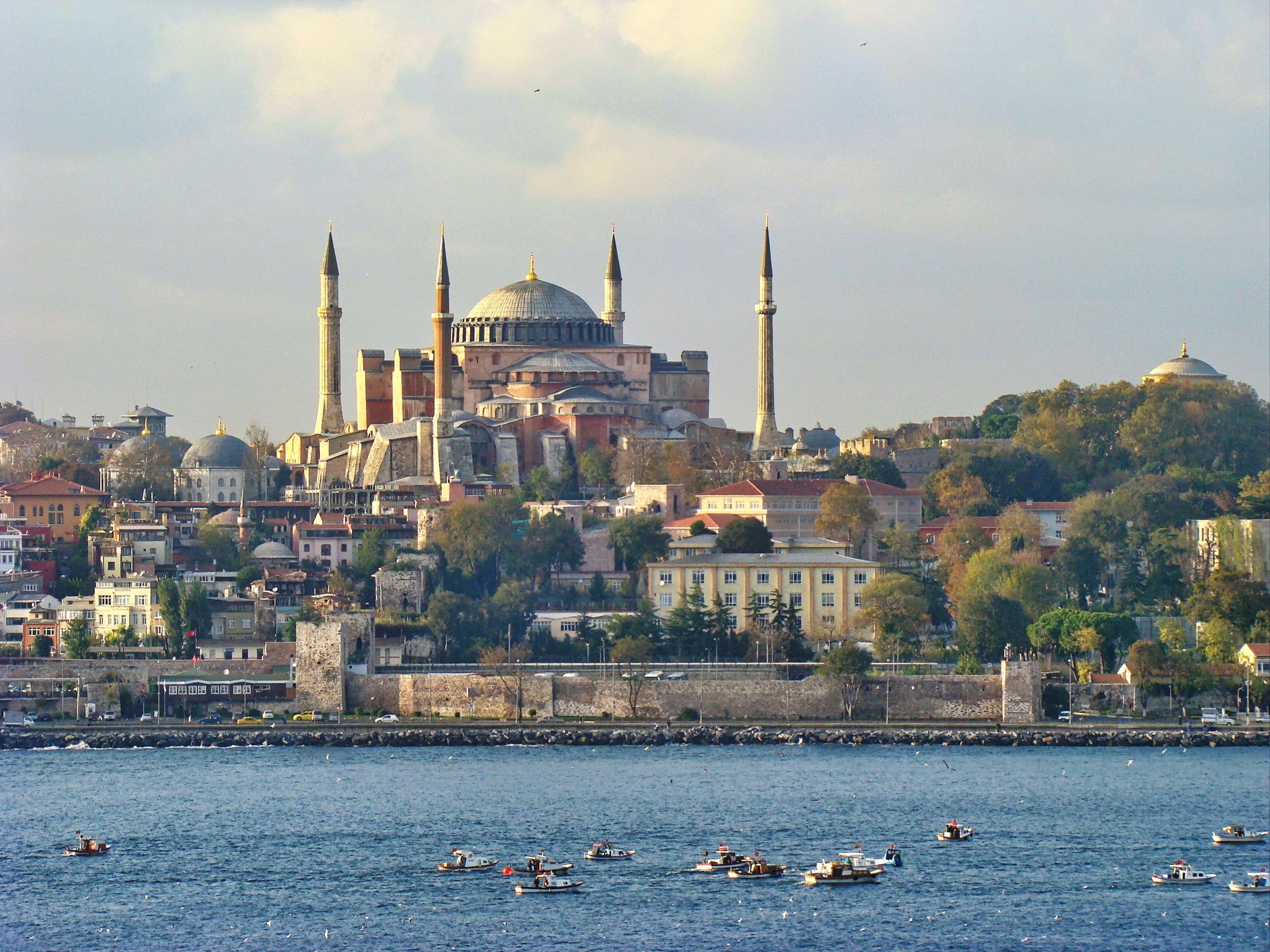
Comprehensive Summarization: The article provides an update on the safety of visiting Türkiye in April 2026. Despite the US-Iran conflict...
Read moreDetails