




















Travel Capitalist Ventures Expands Check Size to $10 Million to Deepen Emerging Market Conviction
Boutique Travel VC raises investment cap from $1.5M to $10M to lead rounds and support portfolio companies through growth Travel...
Read moreDetails
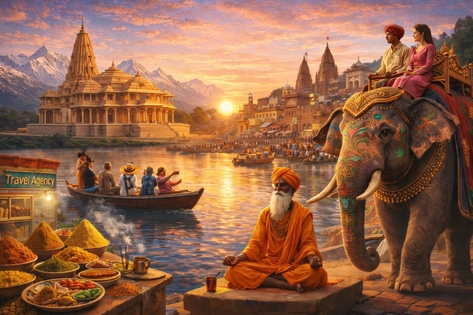
The gap in India's tourism industry is not cultural or economic. It is mostly regulatory.
Article Summary:
The article discusses the underperformance of India’s tourism sector, which is often seen as a potential economic engine due to the country’s rich cultural, historical, and natural heritage. The primary reason for this underperformance is the sector’s regulation, which is akin to managing a high-risk industrial activity. This regulation stems from laws that were not designed for a modern service economy and were developed piecemeal without coordination between the central government, states, and municipalities. Consequently, the tourism sector, including hotels, homestays, restaurants, cafés, adventure operators, and other verticals, cannot scale effectively. The article suggests that deregulation could be a key factor in unlocking the sector’s potential.
Key Points:
Actionable Takeaways:
Deregulation of Tourism Sector: Implementing deregulation in the tourism sector could significantly enhance its scalability and economic contribution. This would involve harmonizing laws and regulations across different levels of government to create a more conducive environment for growth. The relevance of this takeaway lies in its potential to transform India’s tourism industry into a more robust and competitive economic engine, aligning with current industry trends towards deregulation and market flexibility.
Integration of Modern Service Economy Practices: Given that the current laws were not designed for a modern service economy, integrating practices and regulations that are more aligned with contemporary business models could be beneficial. This includes adopting flexible licensing, streamlined compliance processes, and incentives for innovation in tourism services. The relevance of this takeaway is rooted in the need for the tourism sector to evolve with technological advancements and changing consumer expectations, ensuring long-term sustainability and growth.
Contextual Insights:
The article’s context is deeply rooted in the current challenges faced by India’s tourism sector, which is often seen as a missed opportunity for economic growth. The emphasis on deregulation reflects a broader industry trend towards reducing bureaucratic hurdles and fostering a more entrepreneurial environment. This aligns with recent insights from travel thought leaders who advocate for regulatory reforms to support the growth of service-based economies. The potential impact of deregulation on the tourism sector is significant, as it could lead to increased investment, innovation, and competitiveness, thereby unlocking India’s tourism potential. Furthermore, the article’s focus on the need for a modern regulatory framework resonates with current industry trends, where startups and tech solutions are increasingly being leveraged to streamline operations and enhance customer experiences in the travel sector.
Read the Complete Article.
Boutique Travel VC raises investment cap from $1.5M to $10M to lead rounds and support portfolio companies through growth Travel...
Read moreDetails



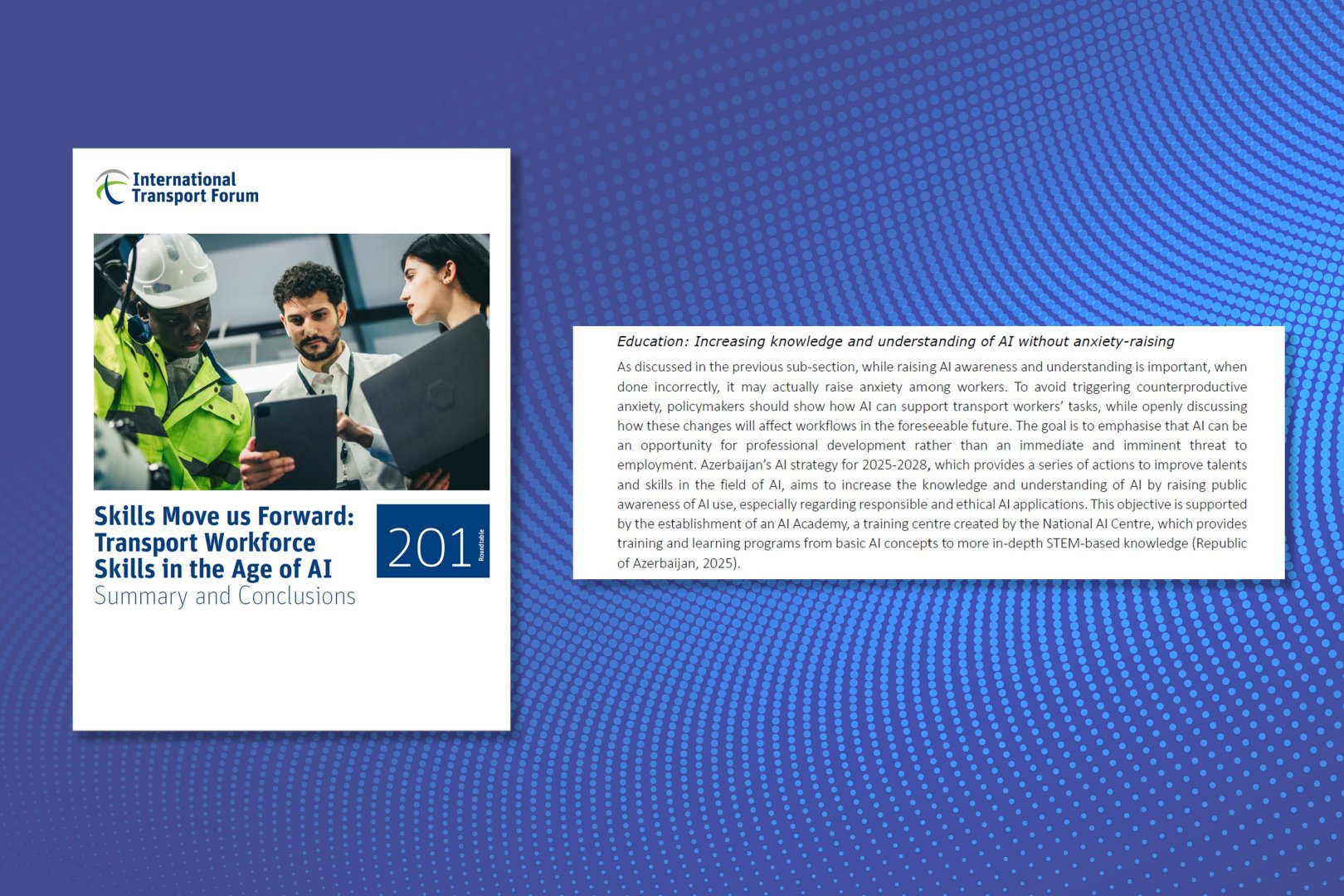
Comprehensive Summarization: Azerbaijan's Ministry of Digital Development and Transport has commended the country's artificial intelligence (AI) capabilities in the International...
Read moreDetails
