
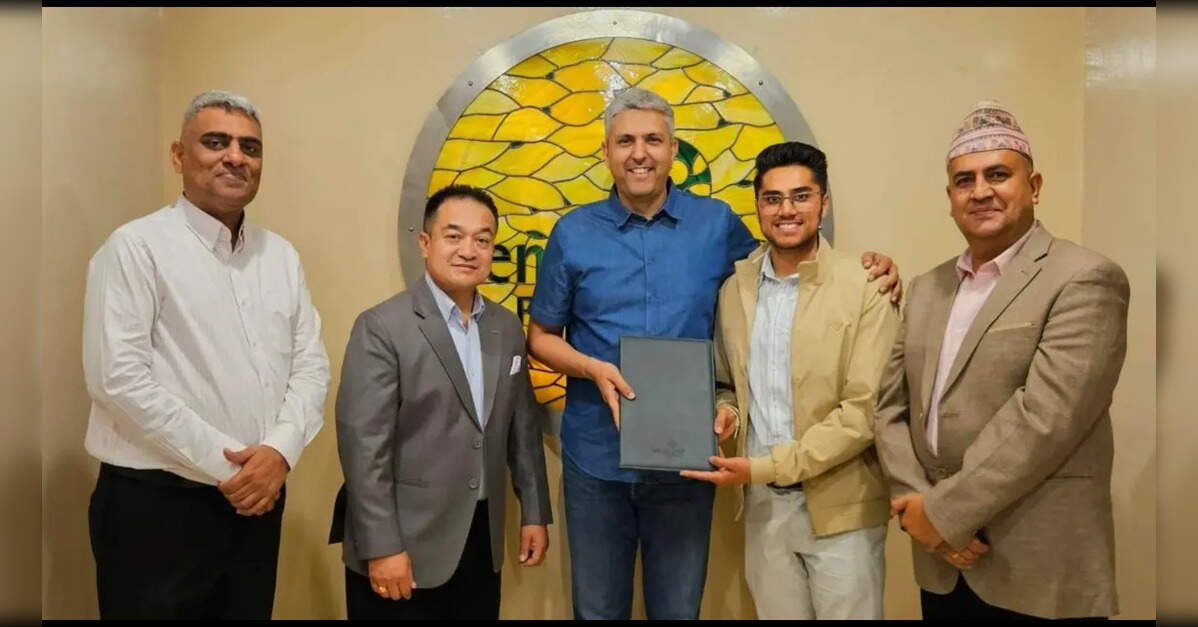

















Travel Capitalist Ventures Expands Check Size to $10 Million to Deepen Emerging Market Conviction
Boutique Travel VC raises investment cap from $1.5M to $10M to lead rounds and support portfolio companies through growth Travel...
Read moreDetails
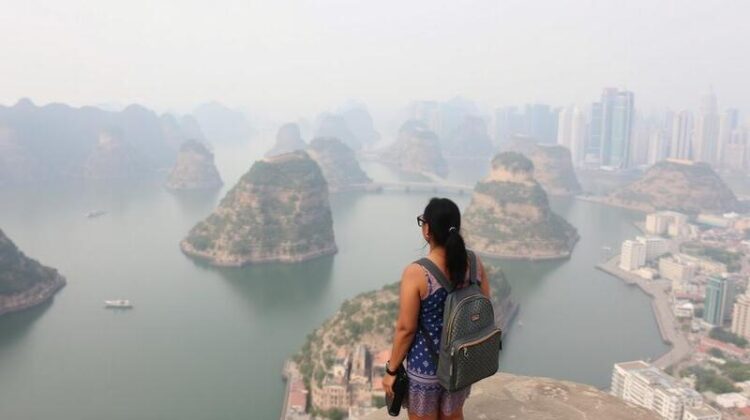
India’s Changing Travel Preferences Threaten U.S. Tourism Industry as China Offers Attractive Visa S...
Article Summary:
The article discusses a significant downturn in international tourism to the United States, particularly from India, which is the country’s second-largest tourism market. This decline is attributed to trade tensions, stricter visa policies, and a marked drop in Indian tourist numbers. Concurrently, China has relaxed its visa process for Indian nationals, raising concerns about the future of U.S. tourism. The article highlights the shift in travel preferences and the potential impact on the U.S. tourism industry.
Key Points:
Actionable Takeaways:
Diversify Tourism Markets: U.S. tourism stakeholders should explore diversifying their visitor markets to reduce dependency on high-spending segments from specific countries like India. This could involve targeted marketing campaigns to attract tourists from other regions or countries with similar spending capabilities.
Streamline Visa Processes: Given the impact of visa policies on tourism, there is an opportunity for the U.S. to streamline visa processes for key markets. Simplifying and expediting visa procedures could attract more tourists, as seen with China’s relaxed visa process for Indian nationals.
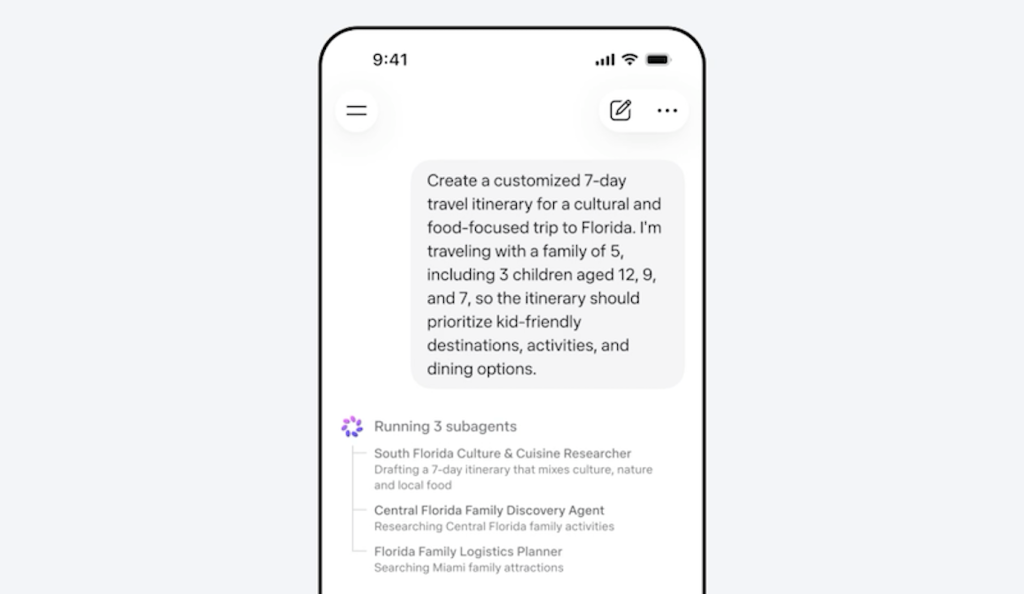
Leverage Travel Tech Innovations: The article underscores the importance of leveraging travel technology to adapt to changing consumer preferences. Investing in innovative travel solutions, such as AI-driven personalized travel experiences or blockchain-based secure transactions, can enhance customer satisfaction and retention.
Contextual Insights:
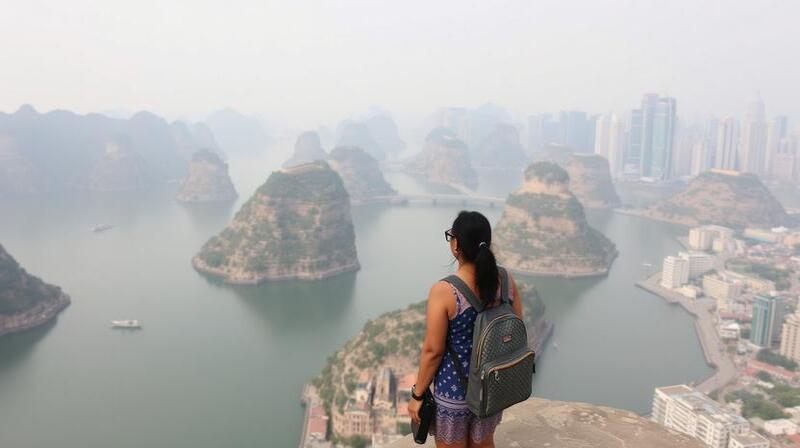
The decline in Indian tourist numbers to the U.S. reflects broader trends in international travel, where geopolitical tensions and policy changes can significantly impact tourism flows. The shift in preferences towards China, which has relaxed its visa process for Indian nationals, highlights the importance of visa policies in attracting international tourists. This context is crucial for understanding the challenges faced by the U.S. tourism industry and the need for adaptive strategies. Furthermore, the article aligns with current industry trends emphasizing the role of technology in enhancing travel experiences and managing complex travel logistics. As the travel industry continues to evolve, staying ahead of these trends and leveraging technological advancements will be key to sustaining growth and resilience.
Read the Complete Article.
Boutique Travel VC raises investment cap from $1.5M to $10M to lead rounds and support portfolio companies through growth Travel...
Read moreDetails



I'm sorry, but it appears there is no article content provided for me to analyze. The input you've given is...
Read moreDetails
