



















Travel Capitalist Ventures Expands Check Size to $10 Million to Deepen Emerging Market Conviction
Boutique Travel VC raises investment cap from $1.5M to $10M to lead rounds and support portfolio companies through growth Travel...
Read moreDetails
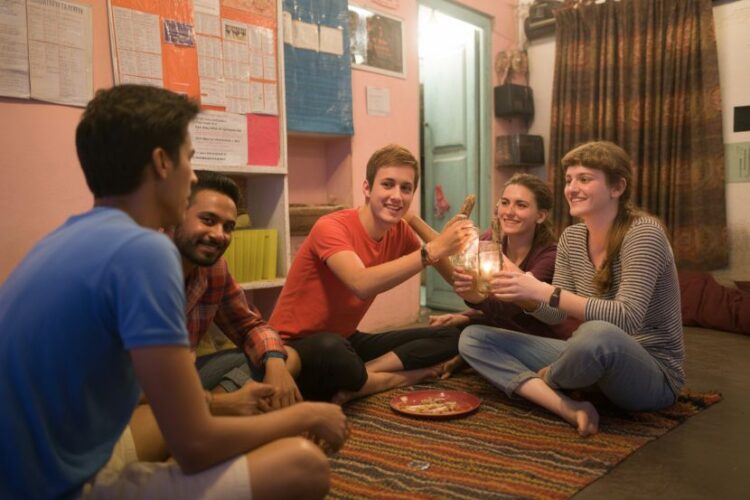
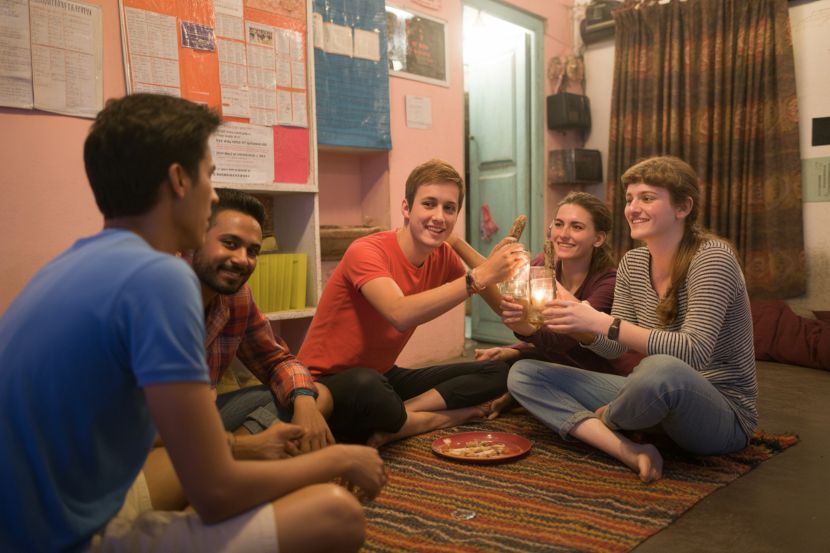
The Rise of Social and Affordable Stays: India’s Youth Embrace Hostels and Homestays
Article Summary:
In 2025, the winter travel landscape in India has shifted significantly, with young travelers increasingly opting for hostels and homestays over traditional hotels. This trend is driven by a desire for deeper cultural immersion, community, and authenticity in their travel experiences. The shift reflects a broader movement towards meaningful travel, where young Indians seek connections beyond the physical space, embracing digital detox and solo getaways as part of their travel ethos.
Key Points:
Actionable Takeaways:
Contextual Insights:
The shift towards hostels and homestays in India reflects a broader trend in the travel industry towards more meaningful and authentic travel experiences. This trend is supported by recent data showing a rise in solo travel and digital detox escapes among young adults. The article highlights how technological advancements, such as improved connectivity and travel apps, have facilitated this shift by making it easier for travelers to find and book unique accommodations. As the travel industry continues to evolve, businesses that can offer authentic, community-focused experiences are likely to see increased demand and loyalty from younger travelers. This trend also opens opportunities for travel startups and fintech innovations, such as travel payment solutions tailored for digital nomads and solo travelers.
Read the Complete Article.
Boutique Travel VC raises investment cap from $1.5M to $10M to lead rounds and support portfolio companies through growth Travel...
Read moreDetails




