























Travel Capitalist Ventures Expands Check Size to $10 Million to Deepen Emerging Market Conviction
Boutique Travel VC raises investment cap from $1.5M to $10M to lead rounds and support portfolio companies through growth Travel...
Read moreDetails
IndiGo’s Deadline to Return Turkish‑Leased B737 Jets to Impact Tourism Travel Planning in India
Article Summary:
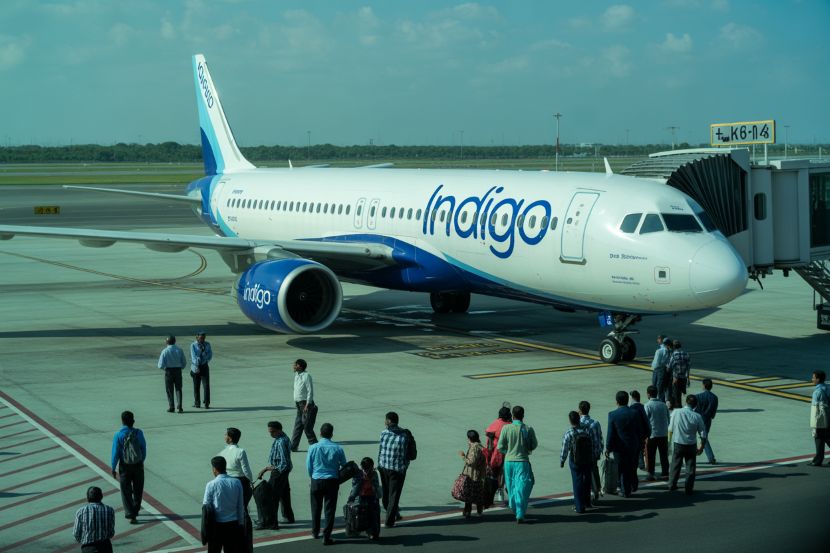
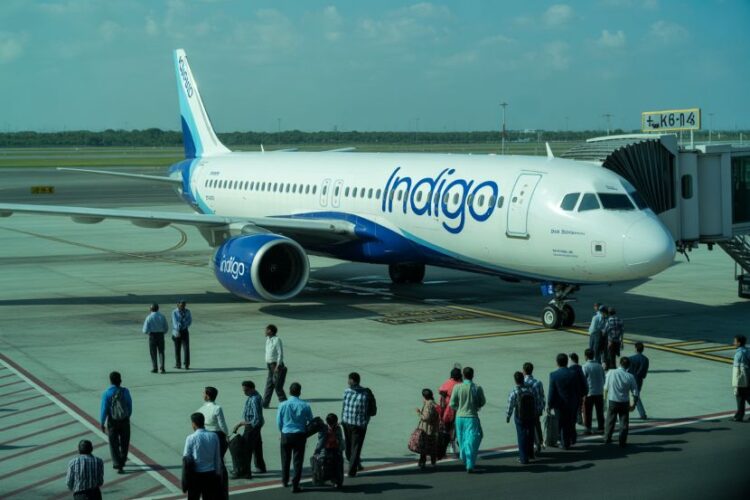
IndiGo, India’s largest airline, faces a critical deadline set by the Directorate General of Civil Aviation (DGCA) to return five Boeing 737 aircraft leased from a Turkish lessor by March 31, 2026. This directive significantly impacts the airline’s route network, especially concerning international tourism. The airline has been using these Turkish-leased jets to manage capacity gaps while awaiting new aircraft deliveries. As the deadline approaches, travelers and planners should anticipate potential disruptions and route changes, which could affect travel planning in India.
Key Points:
Actionable Takeaways:
Route Planning Adjustments: Travel planners should monitor updates from IndiGo regarding route changes and disruptions. This may require revising travel itineraries and considering alternative airlines or routes to ensure seamless travel experiences.
Relevance: The deadline directly impacts the availability of specific routes, necessitating proactive adjustments to travel plans to avoid inconveniences.
Engage with Customer Support: Passengers holding bookings on IndiGo flights affected by the deadline should reach out to the airline’s customer support for assistance with rebooking or route alternatives. This proactive step can help mitigate travel disruptions and ensure a smoother journey.
Relevance: Engaging with customer support can provide passengers with timely information and solutions, enhancing their travel experience despite potential route changes.
Monitor Industry Trends: The aviation industry’s reliance on leased aircraft highlights a broader trend of flexibility in fleet management. Travel industry stakeholders should stay informed about such practices and explore similar strategies to optimize their operations and adapt to market demands.
Relevance: Understanding the implications of leased aircraft on route planning can inform strategic decisions in fleet management and route optimization, aligning with current industry trends.
Contextual Insights:
The article reflects the ongoing challenges faced by airlines in managing their fleet, especially when relying on leased aircraft. This situation underscores the importance of flexibility and adaptability in the travel industry, particularly in response to regulatory directives and capacity constraints. As the travel sector continues to evolve, innovations in fleet management and route planning will be crucial for airlines to maintain operational efficiency and meet passenger expectations. The focus on international tourism and capacity management highlights the interconnected nature of global travel networks and the need for coordinated responses to regulatory and operational challenges.
Handling Different Article Types:
The article is a news blurb, providing factual information about a regulatory directive impacting an airline’s operations. The structured output format ensures clarity and relevance for a professional audience, emphasizing actionable insights and contextual understanding derived directly from the article’s content.
Read the Complete Article.
Boutique Travel VC raises investment cap from $1.5M to $10M to lead rounds and support portfolio companies through growth Travel...
Read moreDetails



Comprehensive Summarization: The article reports on the gradual resumption of air travel operations in the Middle East following days of...
Read moreDetails
