






No products in the cart.
- Latest
- Trending


Iran war is changing India’s holiday plans. But it’s not what you think- The Week
Comprehensive Summarization:
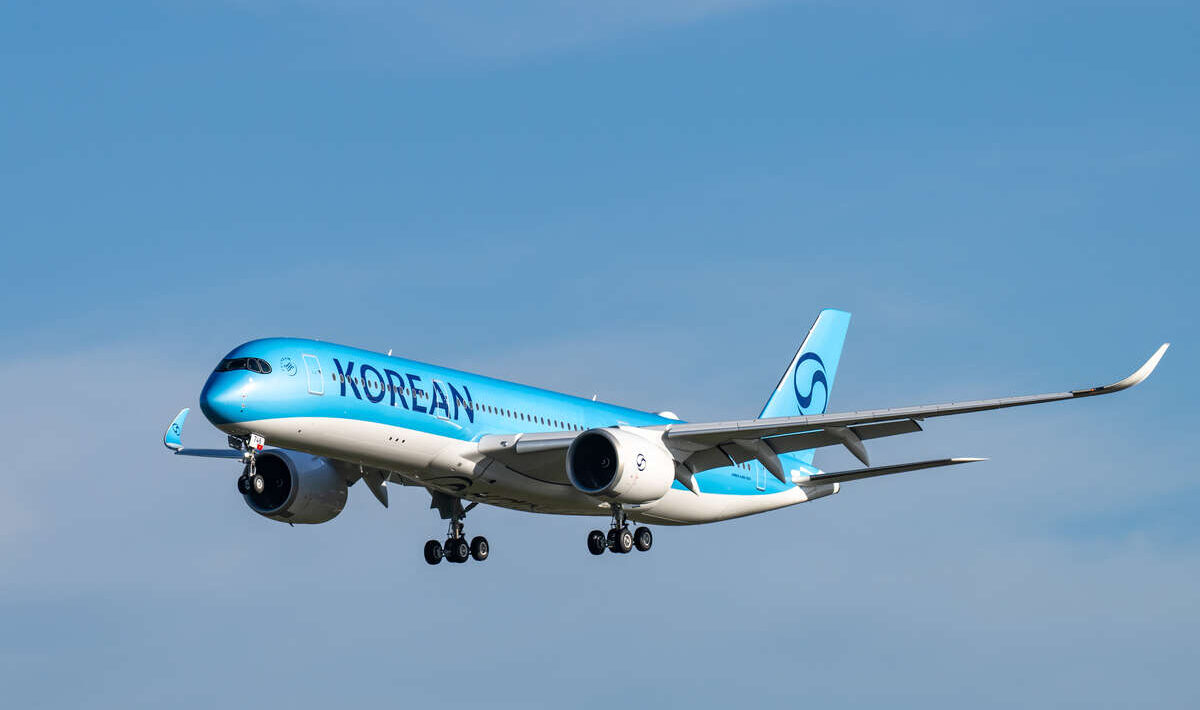
The article discusses the resilience of India’s travel and tourism sector in the face of geopolitical tensions, specifically the ongoing war in West Asia. Despite concerns over safety, flights remain full, resorts are packed, and tourist hotspots are bustling with visitors. The shift in travel patterns is noted, with many people opting to shift their summer holiday plans to Indian destinations. Manoj Chacko, MD and CEO of FLY91, a regional airline based in Goa, attributes this change to the sector’s adept adaptation to the situation. The article highlights the re-routing of travel plans as a key development, indicating a strategic shift in consumer behavior and industry response to the ongoing conflict.
Key Points:
Actionable Takeaways:
Adaptation in Travel Planning: Travel companies should consider offering tailored packages and incentives for travelers planning to visit Indian destinations, leveraging the current surge in demand. This could include discounts, package deals, or enhanced customer service to capitalize on the increased travel activity.
Focus on Safety and Security: Given the geopolitical context, travel companies should prioritize safety and security measures in their marketing and operational strategies. This could involve highlighting safety protocols, providing travel advisories, and ensuring robust cybersecurity measures for online bookings and transactions.
Leverage Regional Strengths: The article’s emphasis on Indian destinations suggests a regional strength that can be further capitalized on. Travel companies could explore partnerships with local businesses, promote unique cultural experiences, and highlight the safety and appeal of Indian destinations to attract more international tourists.
Contextual Understanding:
The article reflects the current state of the travel industry amidst geopolitical tensions. The resilience of India’s travel sector, despite the war in West Asia, underscores the sector’s adaptability and the strong consumer interest in Indian destinations. The re-routing of travel plans signifies a strategic shift in consumer behavior, driven by the need for safety and the appeal of domestic travel options. This context is crucial for understanding the broader implications for the travel industry, particularly in terms of consumer behavior, market adaptation, and the role of technology in enhancing safety and security measures.
Handling Different Article Types:
The article is a news brief, providing factual information about the current state of India’s travel and tourism sector in the context of geopolitical tensions. The summary, key points, and actionable takeaways are structured to reflect the factual nature of the article, focusing on the industry’s adaptation and consumer behavior shifts. The insights provided are directly sourced from the article, ensuring accuracy and relevance to the professional audience of travel industry stakeholders.
Read the Complete Article.
Get curated travel AI insights — choose the newsletters that matter to you.
ALTOUR Expands into Thailand, Strengthening Corporate Travel Network Across Southeast Asia BANGKOK, THAILAND (25 March, 2026) – ALTOUR, a leading...
Read moreDetails


Comprehensive Summarization: The article reports significant travel disruptions at Nashville International Airport (BNA) on a specific day, with 103 delays...
Read moreDetails