

No products in the cart.
- Latest
- Trending

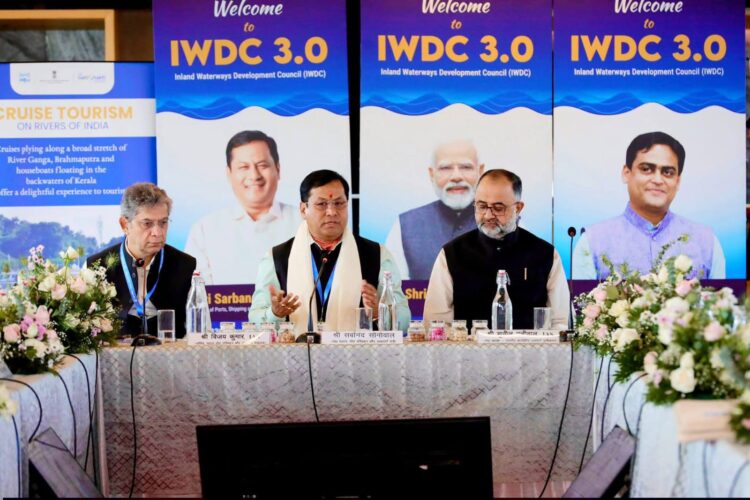
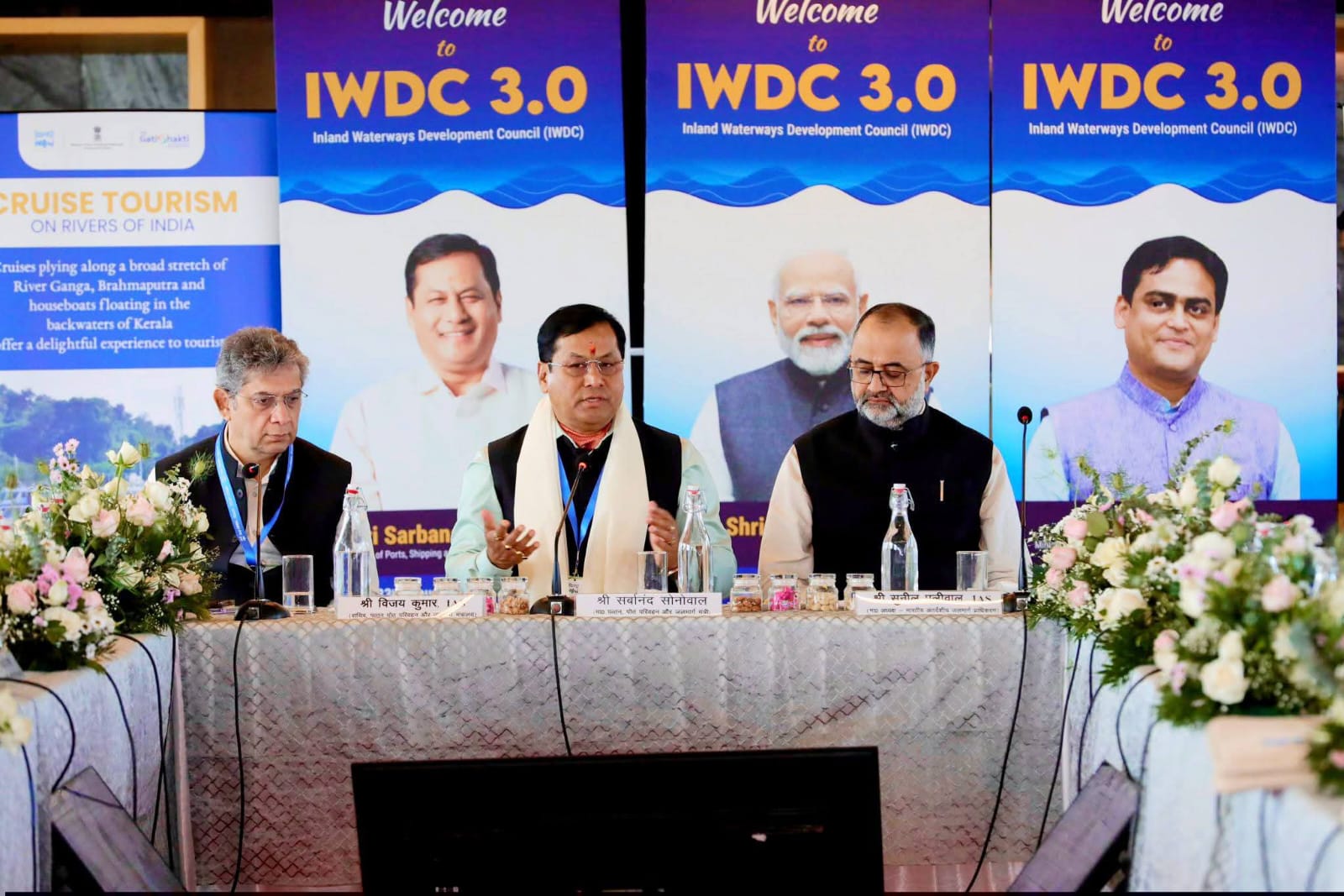
IWDC 3.0 approves over ₹1,500 Crore projects to drive Green mobility, cargo movement & river tourism...
Comprehensive Summarization:
The third meeting of the Inland Waterways Development Council (IWDC 3.0) concluded with a comprehensive roadmap to expand India’s inland water transport network. The meeting, chaired by Union Minister of Ports, Shipping and Waterways Shri Sarbananda Sonowal, also focused on approving major infrastructure investments and strengthening Centre–State coordination. The aim is to unlock the full economic potential of the country’s rivers. The meeting was attended by notable figures including Mukesh Agnihotri, Deputy Chief Minister of Himachal Pradesh; Sharwan Kumar, Minister of Transport, Government of Bihar; K. G. Kenye, Minister of Power and Parliamentary Affairs, Government of Nagaland; and Ojing Tasing, Minister of Rural Development.
Key Points:
Actionable Takeaways:
Investment in Inland Waterways: The approval of major infrastructure investments in inland waterways presents a significant opportunity for stakeholders in the travel and logistics sectors. This could lead to enhanced connectivity and reduced transportation costs, benefiting both domestic and international trade.
Centre–State Collaboration: Strengthening coordination between the central and state governments is crucial for the successful implementation of the IWDC’s roadmap. This collaboration can lead to more efficient policy-making and resource allocation, ensuring that the expansion of inland water transport aligns with regional development goals.
Economic Potential: Unlocking the full economic potential of India’s rivers through expanded inland water transport can stimulate economic growth. This development could open up new markets and opportunities for businesses involved in shipping, tourism, and related services, thereby contributing to overall economic development.
Contextual Insights:
The focus on expanding India’s inland water transport network aligns with broader global trends towards sustainable and efficient transportation solutions. Inland waterways offer a lower carbon footprint compared to road and air transport, making them an attractive option for environmentally conscious travelers and businesses. The meeting’s emphasis on infrastructure investments and Centre–State coordination reflects a strategic approach to leveraging India’s vast river network for economic growth. As the travel industry continues to evolve, innovations in transportation technology and policy frameworks will play a pivotal role in shaping future trends. Stakeholders should monitor these developments closely to capitalize on emerging opportunities and ensure alignment with sustainable travel practices.
Read the Complete Article.
Get curated travel AI insights — choose the newsletters that matter to you.
ALTOUR Expands into Thailand, Strengthening Corporate Travel Network Across Southeast Asia BANGKOK, THAILAND (25 March, 2026) – ALTOUR, a leading...
Read moreDetails


Comprehensive Summarization: The article reports on airlines resuming flights to West Asia, specifically mentioning Air India, Air India Express, and...
Read moreDetails