



















Travel Capitalist Ventures Expands Check Size to $10 Million to Deepen Emerging Market Conviction
Boutique Travel VC raises investment cap from $1.5M to $10M to lead rounds and support portfolio companies through growth Travel...
Read moreDetails
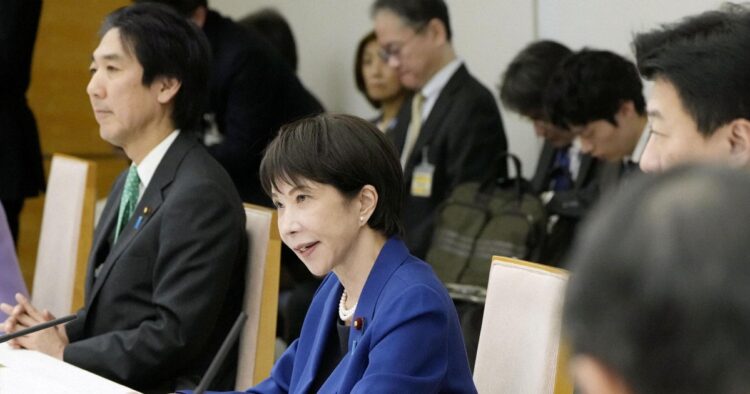
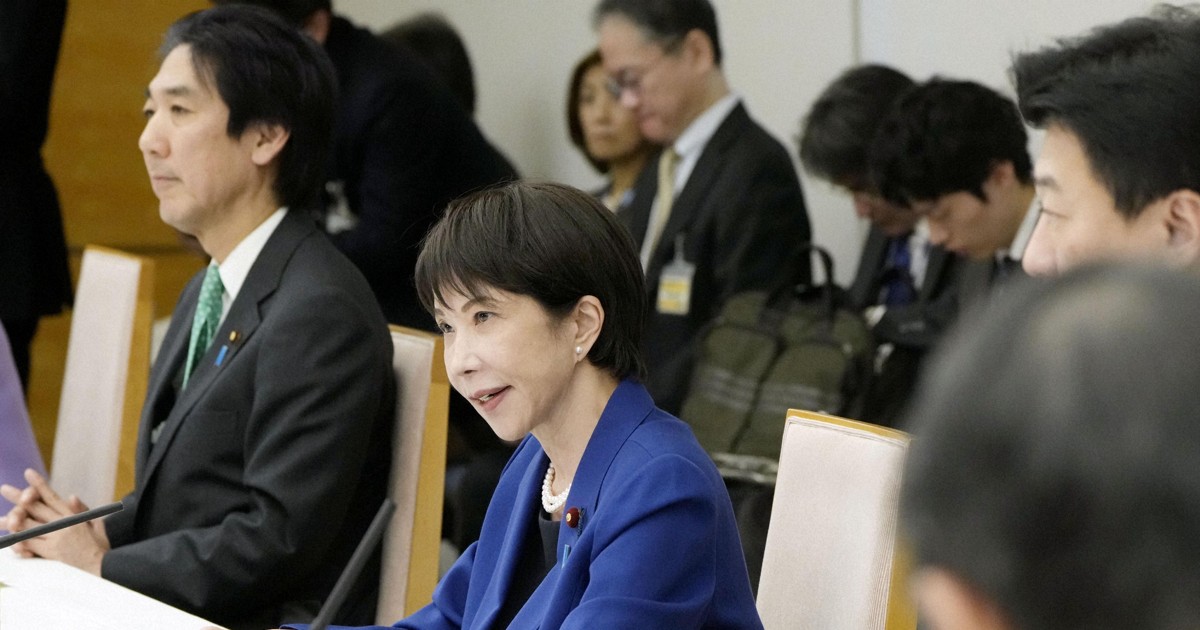
Japanese Prime Minister Sanae Takaichi (blue) speaks at a meeting on economic and fiscal policy in Tokyo on Dec. 25, 2025. (Kyodo)
Article Summary:
Japan’s economy is projected to fall behind India’s in 2026, potentially reducing its global standing to fifth place according to the International Monetary Fund’s estimate. This economic downturn is attributed to factors such as the shrinking population, which places pressure on Prime Minister Sanae Takaichi’s growth strategy. Economists emphasize the importance of productivity improvements and tapping into promising growth fields to counteract these challenges.
Key Points:
Actionable Takeaways:
Contextual Insights:
The article reflects the current economic challenges Japan faces, particularly the impact of a shrinking population on its economic standing. This context is crucial as it highlights the urgency for strategic economic reforms. In the travel industry, these insights suggest a need for innovation and adaptation. For instance, travel startups and fintech solutions could focus on enhancing productivity through digital platforms, exploring growth fields such as sustainable tourism, and leveraging technology to tap into emerging markets. The emphasis on productivity improvements and strategic economic planning aligns with broader industry trends towards digital transformation and sustainable growth, ensuring that the travel sector remains competitive and resilient in the face of economic challenges.
Read the Complete Article.
Boutique Travel VC raises investment cap from $1.5M to $10M to lead rounds and support portfolio companies through growth Travel...
Read moreDetails



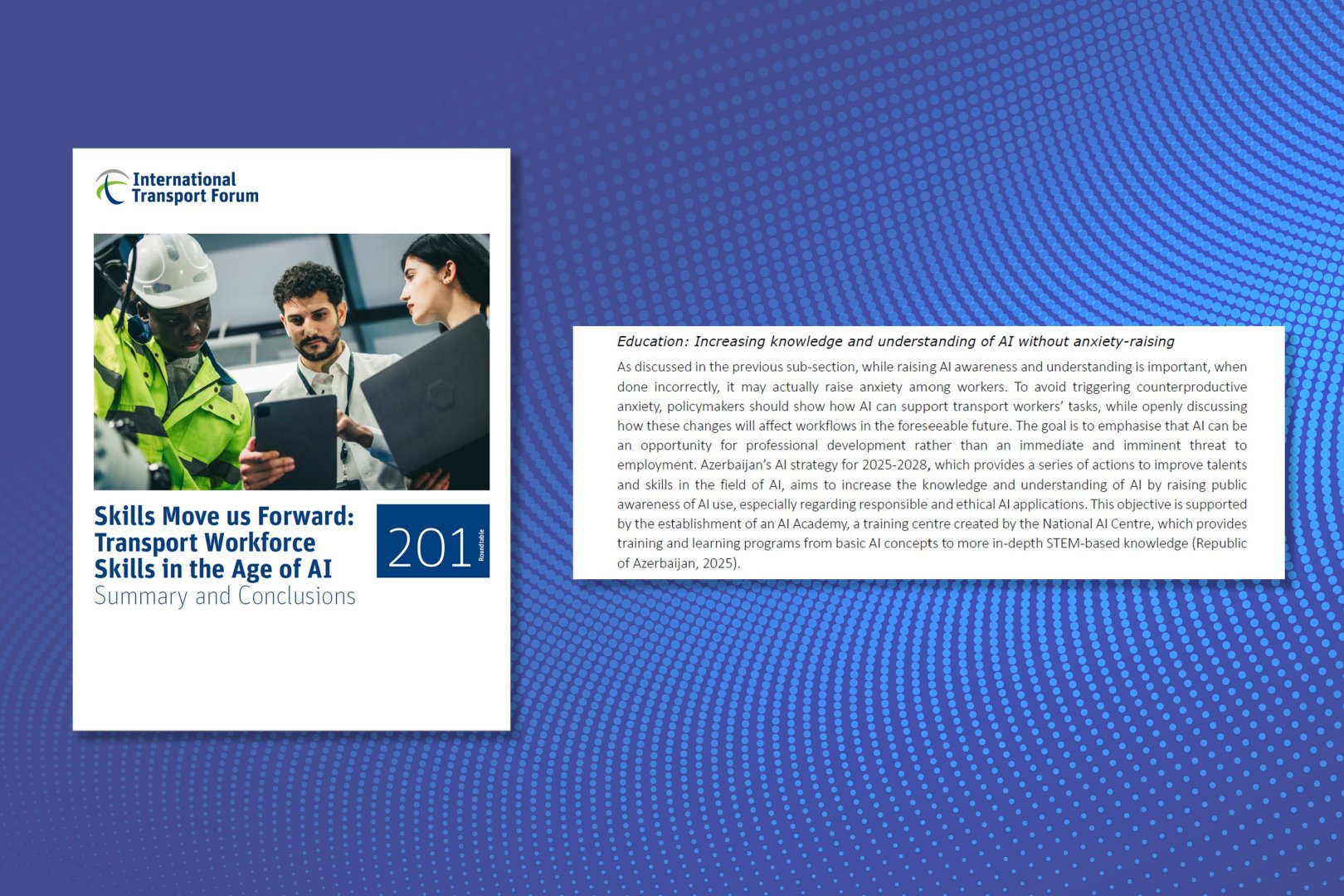
Comprehensive Summarization: Azerbaijan's Ministry of Digital Development and Transport has commended the country's artificial intelligence (AI) capabilities in the International...
Read moreDetails
