











Travel Capitalist Ventures Expands Check Size to $10 Million to Deepen Emerging Market Conviction
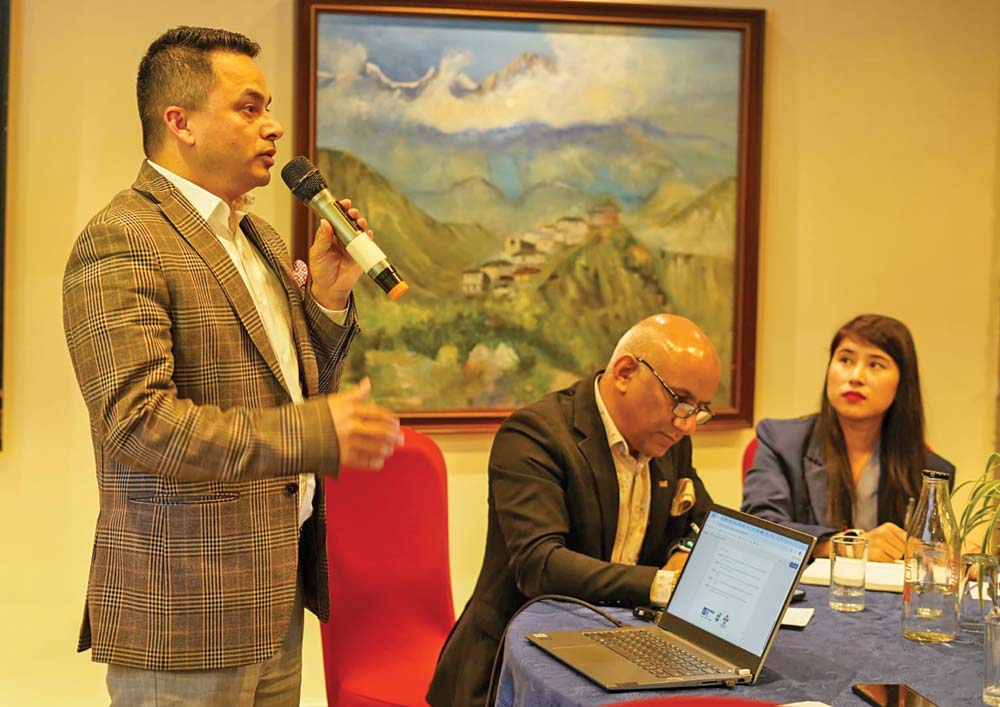
Boutique Travel VC raises investment cap from $1.5M to $10M to lead rounds and support portfolio companies through growth Travel...
Read moreDetails
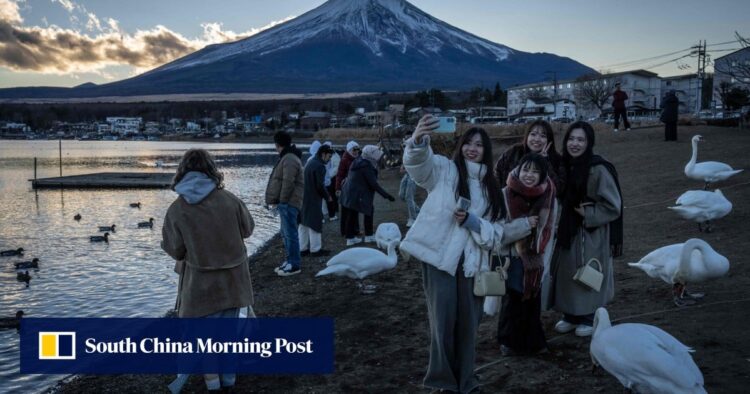
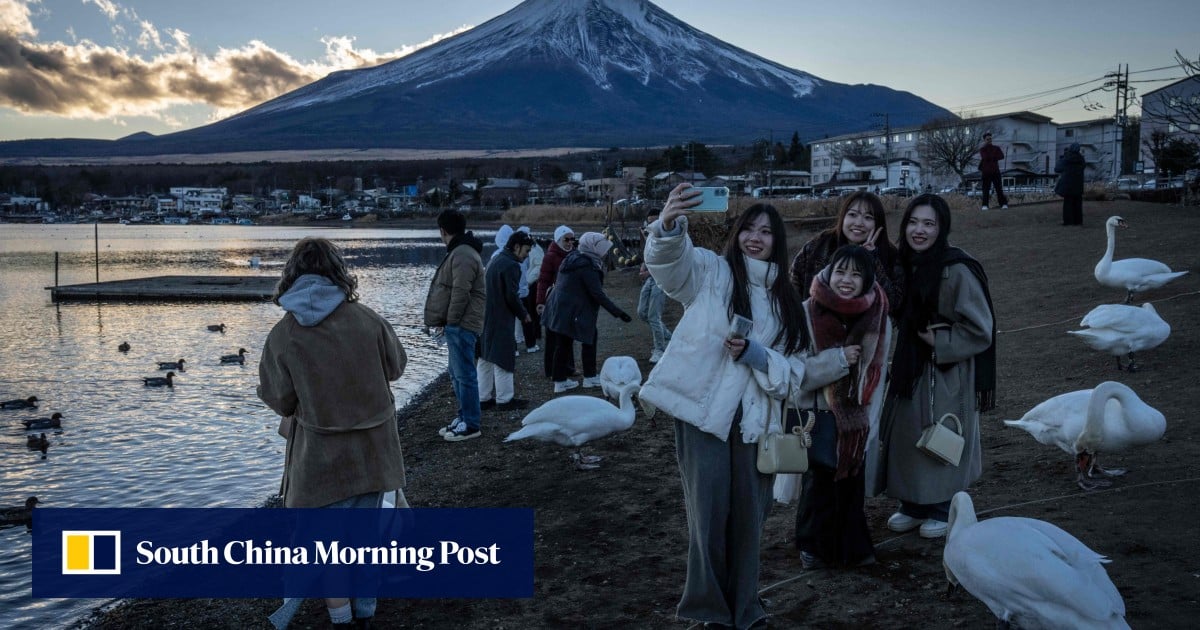
Japan may lose GDP race to India amid weak yen, tourism woes and China row
Article Summary:
Japan’s economy is projected to fall behind India’s in 2026, potentially dropping to the fifth position globally, according to the International Monetary Fund’s estimate. This economic downturn could diminish Japan’s global presence. The subdued outlook has heightened the importance of Prime Minister Sanae Takaichi’s planned growth strategy, which is expected to address challenges such as the shrinking population, productivity improvements, and tapping into promising growth fields. The article also discusses Japan’s economy shrinking for the first time in six quarters in the July-September period, partly due to weak exports and higher US tariffs imposed by President Donald Trump.
Key Points:
Actionable Takeaways:
Contextual Insights:
The article reflects the current economic challenges Japan is facing, particularly the shrinking population and its impact on economic growth. The emphasis on productivity improvements and tapping into promising growth fields aligns with broader industry trends focusing on innovation and resilience. In the context of travel and tourism, which is a significant sector for Japan, these insights suggest a need for strategic planning to enhance productivity and explore new markets. The article also highlights the influence of global economic factors, such as US tariffs, on domestic economies, which is relevant for understanding the broader implications for travel-related industries.
Read the Complete Article.
Boutique Travel VC raises investment cap from $1.5M to $10M to lead rounds and support portfolio companies through growth Travel...
Read moreDetails



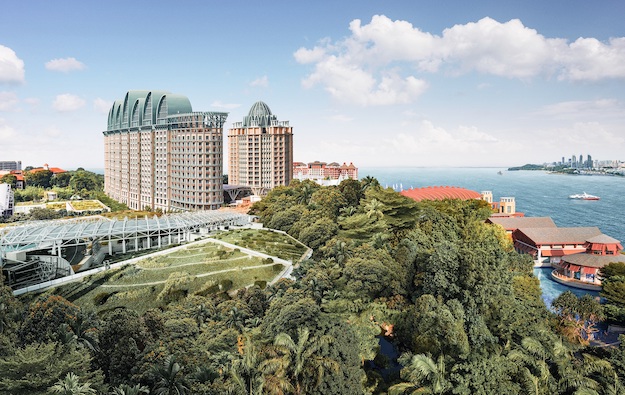
Comprehensive Summarization: Genting Singapore Ltd, the operator of Resorts World Sentosa casino complex in Singapore, is confident in its position...
Read moreDetails
