






No products in the cart.
- Latest
- Trending


Houseboat operations in Vembanad exceed sustainable limits by 200%, says CWRDM study
Comprehensive Summarization:
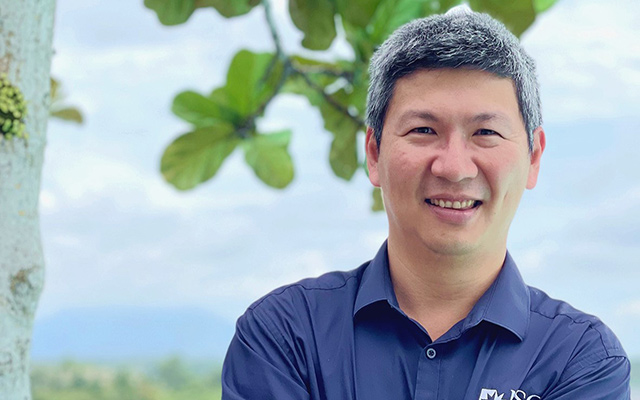
The article highlights Kerala’s exemplary approach to Responsible Tourism (RT) at the Global Responsible Tourism Meet in Kozhikode. Experts, including Kevin Phun, director of the Centre for Responsible Tourism in Singapore, noted that while Singapore is recognized globally for its sustainable waste management models, Kerala stands out due to its people-centric model. This model emphasizes extensive community participation, which is a distinctive feature of Kerala’s RT initiatives. The article underscores the importance of community involvement in RT, contrasting it with Singapore’s more limited community participation. The discussion also touches on the broader context of travel trends and insights, reflecting the evolving landscape of the travel industry.
Key Points:
Actionable Takeaways:
Emphasize Community Participation in Tourism Initiatives: Based on Kerala’s success, travel companies and destinations should prioritize community involvement in their RT initiatives. This approach not only enhances the authenticity of tourism experiences but also fosters local economic benefits and sustainable development. By engaging local communities, destinations can ensure that tourism benefits are equitably distributed, contributing to long-term sustainability.
Leverage Sustainable Waste Management Models: While Kerala’s RT model is primarily people-centric, the article also highlights Singapore’s success in sustainable waste management as a key aspect of its RT narrative. Travel companies and destinations should explore and adopt innovative waste management practices that align with RT principles. Implementing efficient waste management systems can significantly reduce environmental impact, enhance the appeal of destinations to eco-conscious travelers, and position these locations as leaders in sustainable tourism.
Contextual Understanding:
The article reflects the current emphasis on Responsible Tourism as a critical component of the travel industry’s future. With increasing awareness of environmental and social issues, travelers are increasingly seeking destinations that prioritize sustainability and community engagement. Kerala’s model demonstrates that a people-centric approach can lead to successful RT implementation, offering valuable lessons for other regions. The integration of sustainable waste management practices, as seen in Singapore, further underscores the importance of combining social responsibility with environmental stewardship. These insights are particularly relevant in the context of emerging travel trends, where travelers are more inclined to support destinations that demonstrate genuine commitment to responsible tourism practices.
Handling Different Article Types:
The article is a news brief that provides factual information about Kerala’s RT initiatives and insights from a global RT meet. It does not present an opinion piece or a feature article. Therefore, the analysis focuses on summarizing the factual content, extracting key points, and deriving actionable takeaways based on the presented information. The structured output format ensures clarity and ease of integration into professional materials, such as reports or presentations, for a targeted audience of travel industry professionals.
Read the Complete Article.
Get curated travel AI insights — choose the newsletters that matter to you.
This spot is reserved for brands with a compelling story for the travel trade. They use this space to cut...
Read moreDetailsALTOUR Expands into Thailand, Strengthening Corporate Travel Network Across Southeast Asia BANGKOK, THAILAND (25 March, 2026) – ALTOUR, a leading...
Read moreDetails


Comprehensive Summarization: Yatra Online, led by Dr. Shakti Goel and Upasana Gupta, is leveraging AI, data, and cloud technology to...
Read moreDetails