




















Travel Capitalist Ventures Expands Check Size to $10 Million to Deepen Emerging Market Conviction
Boutique Travel VC raises investment cap from $1.5M to $10M to lead rounds and support portfolio companies through growth Travel...
Read moreDetails
Bihar Minister Nitin Nabin Appointed National Working President Of BJP
Article Summary:
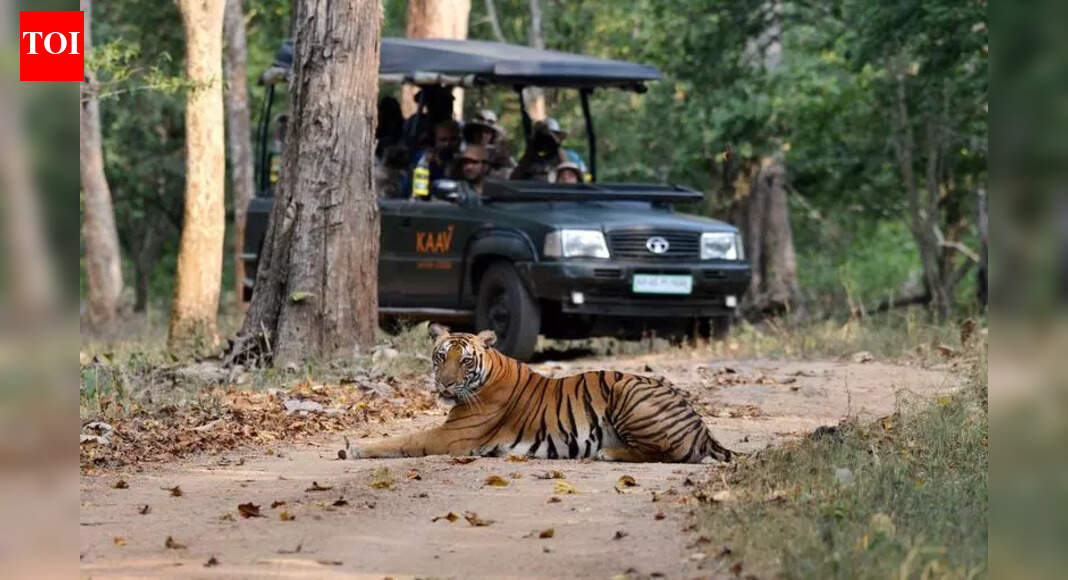
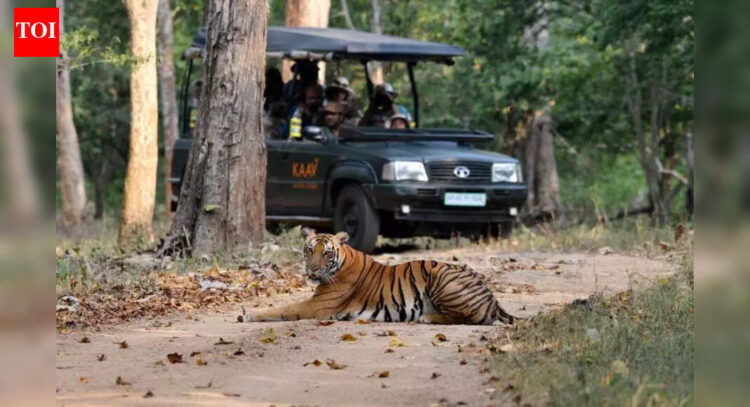
The tourism sector in Mysuru and Chikkamagaluru districts has faced a significant setback due to state government decisions to ban certain tourism-related activities in forest border areas. These restrictions, aimed at addressing rising human-animal conflict, have adversely affected districts heavily reliant on forest-based tourism. Meanwhile, Kodagu district, which is not subject to these restrictions, is experiencing a surge in tourist inflow. In Mysuru district, the suspension of safaris in Bandipur and Nagarahole tiger reserves has led to a sharp decline in advance bookings at nearby resorts and hotels. Similar downturns are being observed in Chikkamagaluru district, where restrictions on climbing activities are impacting tourism.
Key Points:
Actionable Takeaways:
Contextual Insights:
The article reflects the current challenges faced by the tourism sector in regions heavily dependent on forest-based tourism. The state government’s decision to ban certain activities is a proactive measure to address human-animal conflicts, which is a growing concern in such areas. This situation highlights the need for a balanced approach between conservation efforts and tourism development. The surge in tourist inflow in Kodagu underscores the importance of identifying and promoting tourism activities that are not restricted, offering a model for other districts to follow. As the travel industry continues to evolve, innovations in conflict mitigation and diversification of tourism offerings will be crucial for sustaining growth and resilience in the face of regulatory challenges.
Read the Complete Article.
Boutique Travel VC raises investment cap from $1.5M to $10M to lead rounds and support portfolio companies through growth Travel...
Read moreDetails




