








No products in the cart.
- Latest
- Trending

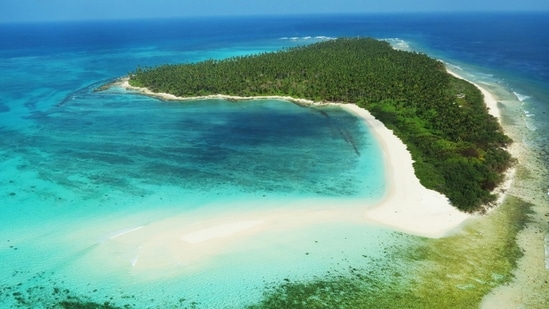
Lakshadweep is known for its striking beaches with crystal-clear waters. Some of the islands you can visit are Agatti, Bangaram Island, Minicoy Island, Thinnkarra Island, Kavaratti and Kaadmat Island. (Unsplash)
Comprehensive Summarization:
The article discusses a protest by residents of Lakshadweep against the Union Territory’s administration’s plan to acquire 101,020 sq m of private land on Agatti Island for tourism and other projects. The administration, led by Shivam Chandra, collector of Lakshadweep, notified this plan on January 5. The land to be acquired constitutes about 3% of the total area of Agatti Island. The residents argue that this acquisition is being carried out without the mandatory approval of gram sabhas and land owners, as prescribed by law. The article also touches upon the broader context of Lakshadweep’s tourism appeal, known for its striking beaches and crystal-clear waters, which include islands such as Agatti, Bangaram, Minicoy, Thinnkarra, Kavaratti, and Kaadmat.
Key Points:
Actionable Takeaways:
Legal Compliance in Land Acquisition: The article underscores the importance of adhering to legal procedures in land acquisition, particularly in regions with significant tourism potential like Lakshadweep. For travel industry stakeholders, this highlights the need for thorough legal compliance to avoid protests and potential legal challenges that could disrupt tourism projects.
Balancing Development and Preservation: The protest reflects a broader debate in the travel industry between the need for development and the preservation of natural and cultural heritage. Stakeholders should consider how to balance tourism development with environmental conservation, ensuring that growth does not compromise the unique attractions that draw visitors.
Engagement with Local Communities: The residents’ protest emphasizes the importance of engaging with local communities in decision-making processes related to land use and development. For travel startups and tourism operators, this suggests the value of building strong relationships with local stakeholders to ensure community support and sustainable tourism practices.
Contextual Insights:
The protest in Lakshadweep is reflective of a growing trend in the travel industry where local communities are increasingly asserting their rights and concerns over development projects. This aligns with the broader trend of sustainable and responsible tourism, where the focus is on minimizing environmental impact and maximizing community benefits. Thought leaders in the travel sector are advocating for a more integrated approach to tourism development, one that considers the ecological, social, and economic impacts on local communities. The article serves as a case study on the need for transparent and inclusive processes in land acquisition, particularly in regions with high tourism potential. As the travel industry continues to evolve, such considerations will become increasingly critical in ensuring the long-term viability and appeal of destinations like Lakshadweep.
Read the Complete Article.
Get curated travel AI insights — choose the newsletters that matter to you.
ALTOUR Expands into Thailand, Strengthening Corporate Travel Network Across Southeast Asia BANGKOK, THAILAND (25 March, 2026) – ALTOUR, a leading...
Read moreDetails


London, United Kingdom — August 8, 2023 In short: British Airways and Iberia announce a new joint venture for transatlantic...
Read moreDetails