


![[At one go] There was no reverse sweep Korean Air 'Champ Up With Winning Game 5'](https://images.traveltrade.today/wp-content/uploads/2026/04/Korean-Air-Triumphs-in-Game-5-Reverse-Sweep-Victory.jpg)












Travel Capitalist Ventures Expands Check Size to $10 Million to Deepen Emerging Market Conviction
Boutique Travel VC raises investment cap from $1.5M to $10M to lead rounds and support portfolio companies through growth Travel...
Read moreDetails
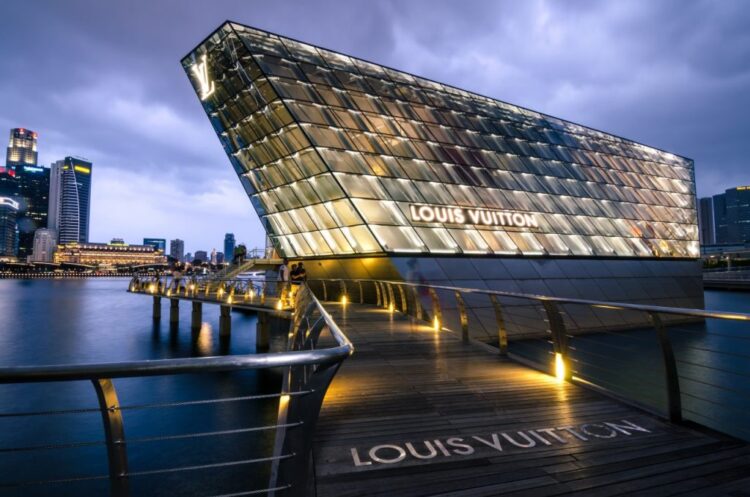
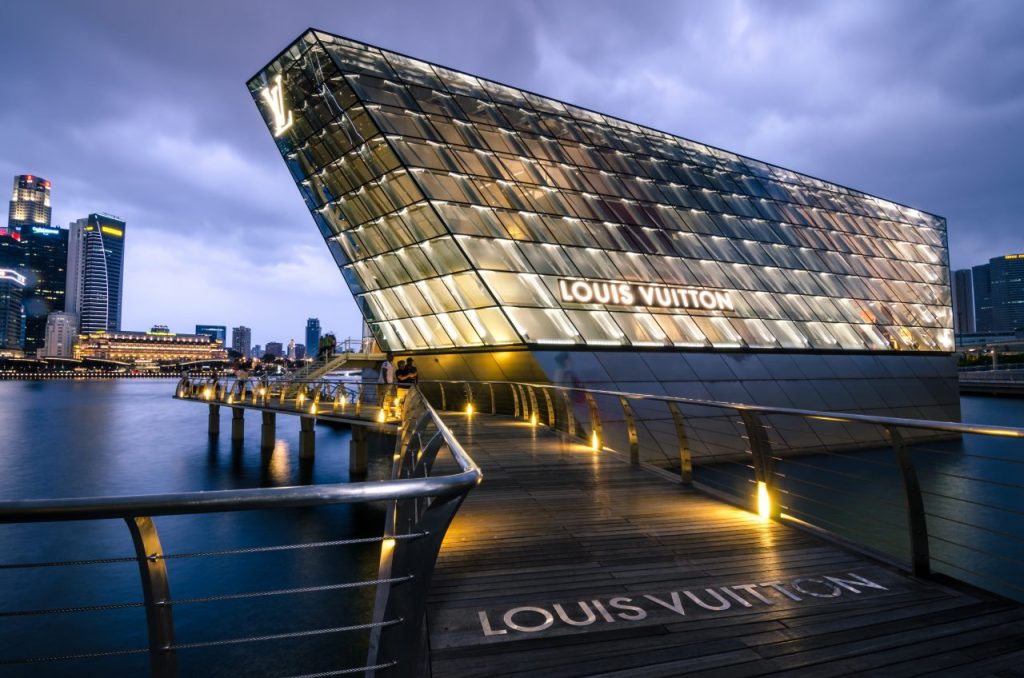
LVMH sells Indian winery
Comprehensive Summarization:
LVMH’s wine and spirits division, Moet & Chandon, is ceasing local production of Chandon sparkling wine in India after a decade-long operation. This decision marks a shift from the global trend of establishing local production in India to cater to the growing demand for quality drinks with an Indian identity. Sula Vineyards will acquire the Chandon winery as part of its strategy to expand into wine tourism. The article highlights the evolving landscape of the global drinks industry, particularly the strategic decisions of major players like LVMH in response to market dynamics and consumer preferences.
Key Points:
Actionable Takeaways:
Strategic Realignment in the Drinks Industry: The decision by LVMH to cease local production in India signals a strategic realignment within the global drinks industry. Companies are increasingly evaluating the economic viability and market relevance of maintaining local production facilities. This move may prompt other global players to reassess their strategies in India, potentially leading to a more competitive and dynamic market landscape.
Opportunities for Local Players: Sula Vineyards’ acquisition of the Chandon winery presents an opportunity for local players in the Indian wine and spirits sector. This acquisition could lead to increased investment and innovation in the local wine tourism sector, fostering growth and diversification in the industry. Companies looking to capitalize on this trend should explore partnerships or acquisitions to strengthen their market position.
Focus on Wine Tourism: The shift towards wine tourism, as indicated by Sula Vineyards’ acquisition strategy, highlights a growing trend in the global drinks industry. Companies can leverage this trend by developing wine tourism experiences, such as vineyard tours, wine tasting events, and cultural immersion programs. This approach not only enhances customer engagement but also taps into the rising demand for experiential travel, offering a competitive edge in a crowded market.
Contextual Understanding:
The article reflects the evolving dynamics of the global drinks industry, particularly in India, where local production strategies are being reevaluated. The decision by LVMH to cease operations aligns with broader industry trends where companies are scrutinizing the economic feasibility and market relevance of maintaining local production facilities. This shift is influenced by factors such as changing consumer preferences, increased competition, and the rise of wine tourism as a viable business model. The acquisition by Sula Vineyards underscores the strategic importance of wine tourism in expanding market reach and diversifying revenue streams. As the industry continues to evolve, companies must remain agile and responsive to market changes, leveraging opportunities such as wine tourism to drive growth and innovation.
Handling Different Article Types:
The article in question is a news brief, providing factual information about a strategic decision by LVMH. News briefs typically focus on delivering concise, factual information without delving into opinion or analysis. In handling such articles, it is crucial to adhere strictly to the facts presented, ensuring that the summary, key points, and actionable takeaways are directly sourced from the content. This approach maintains the integrity and reliability of the information, making it suitable for professional audiences seeking accurate and up-to-date insights.
Read the Complete Article.
Boutique Travel VC raises investment cap from $1.5M to $10M to lead rounds and support portfolio companies through growth Travel...
Read moreDetails



Comprehensive Summarization: LVMH's wine and spirits division, Moet & Chandon, is ceasing local production of Chandon sparkling wine in India...
Read moreDetails
