





![[At one go] There was no reverse sweep Korean Air 'Champ Up With Winning Game 5'](https://images.traveltrade.today/wp-content/uploads/2026/04/Korean-Air-Triumphs-in-Game-5-Reverse-Sweep-Victory.jpg)














Travel Capitalist Ventures Expands Check Size to $10 Million to Deepen Emerging Market Conviction
Boutique Travel VC raises investment cap from $1.5M to $10M to lead rounds and support portfolio companies through growth Travel...
Read moreDetails
Maharashtra’s Bold Move To Boost Coastal Tourism In India With New Beach Shack Initiative Promises J...
Article Summary:
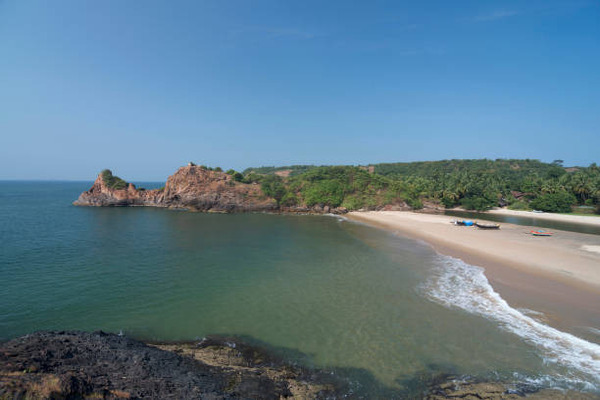
Maharashtra has introduced a new beach shack initiative aimed at boosting coastal tourism in India. This policy allows for the establishment of temporary beach shacks along select beaches, promoting tourism while providing local employment opportunities, particularly for coastal communities. The initiative is designed to foster economic growth in the region, attract more visitors, and ensure sustainable tourism development that benefits the environment and local economies.
Key Points:
Actionable Takeaways:
Economic Growth through Sustainable Tourism: The beach shack initiative presents a viable model for sustainable economic growth in coastal regions. By focusing on temporary, community-driven tourism infrastructure, Maharashtra can stimulate local economies without compromising environmental integrity. This approach can serve as a benchmark for other coastal states looking to enhance their tourism sectors while ensuring long-term sustainability.
Community Empowerment and Job Creation: The initiative directly addresses the need for local employment opportunities, particularly in coastal communities where job markets may be limited. By allowing local residents to participate in the operation and management of beach shacks, the policy empowers communities economically. This can lead to improved living standards and increased community investment in tourism infrastructure, creating a virtuous cycle of growth and development.
Environmental Preservation: Sustainability is a core component of the beach shack policy. By promoting temporary structures and emphasizing community involvement, the initiative minimizes environmental impact. This aligns with global trends towards eco-friendly tourism and can position Maharashtra as a leader in sustainable tourism practices. Such initiatives can attract environmentally conscious tourists, further boosting the region’s appeal.
Contextual Insights:
The beach shack initiative in Maharashtra reflects a broader trend in the travel industry towards sustainable and community-driven tourism models. Recent years have seen a significant shift in consumer preferences, with travelers increasingly seeking authentic, locally-driven experiences that offer both cultural enrichment and environmental stewardship. This policy aligns with these evolving preferences, offering a practical solution to the challenges faced by coastal tourism destinations.
Moreover, the initiative underscores the importance of integrating technological advancements in tourism management. By allowing for temporary structures, the policy opens avenues for innovative use of technology in tourism operations, such as digital booking systems, mobile payment solutions, and real-time environmental monitoring. These technological integrations can enhance operational efficiency, improve guest experiences, and further support sustainable tourism practices.
In the context of current industry trends, the beach shack initiative also highlights the growing importance of fintech solutions in the travel sector. The temporary nature of these structures necessitates flexible payment and revenue management systems, which can drive innovation in fintech applications tailored for the tourism industry. This could include mobile payment options, digital invoicing, and automated revenue sharing mechanisms that benefit both operators and local communities.
Overall, the beach shack policy in Maharashtra not only presents a concrete step towards revitalizing coastal tourism but also sets a precedent for future tourism policies that prioritize sustainability, community empowerment, and technological innovation. By adhering to the facts and context provided in the article, this analysis offers actionable insights and forward-looking perspectives that are directly relevant to the travel industry’s current landscape.
Read the Complete Article.
Boutique Travel VC raises investment cap from $1.5M to $10M to lead rounds and support portfolio companies through growth Travel...
Read moreDetails



Cruise Tourism Generates $98.5 Billion in Global GDP, WTTC Report Shows In short: Cruise tourism contributes $98.5 billion to global...
Read moreDetails
