





No products in the cart.
- Latest
- Trending

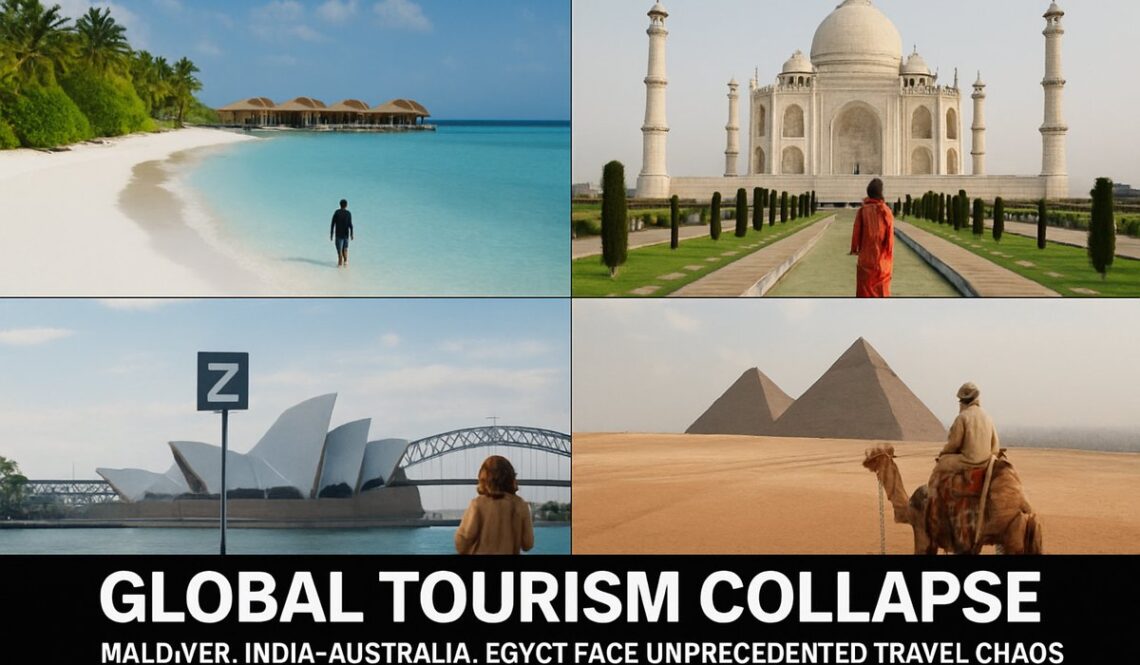
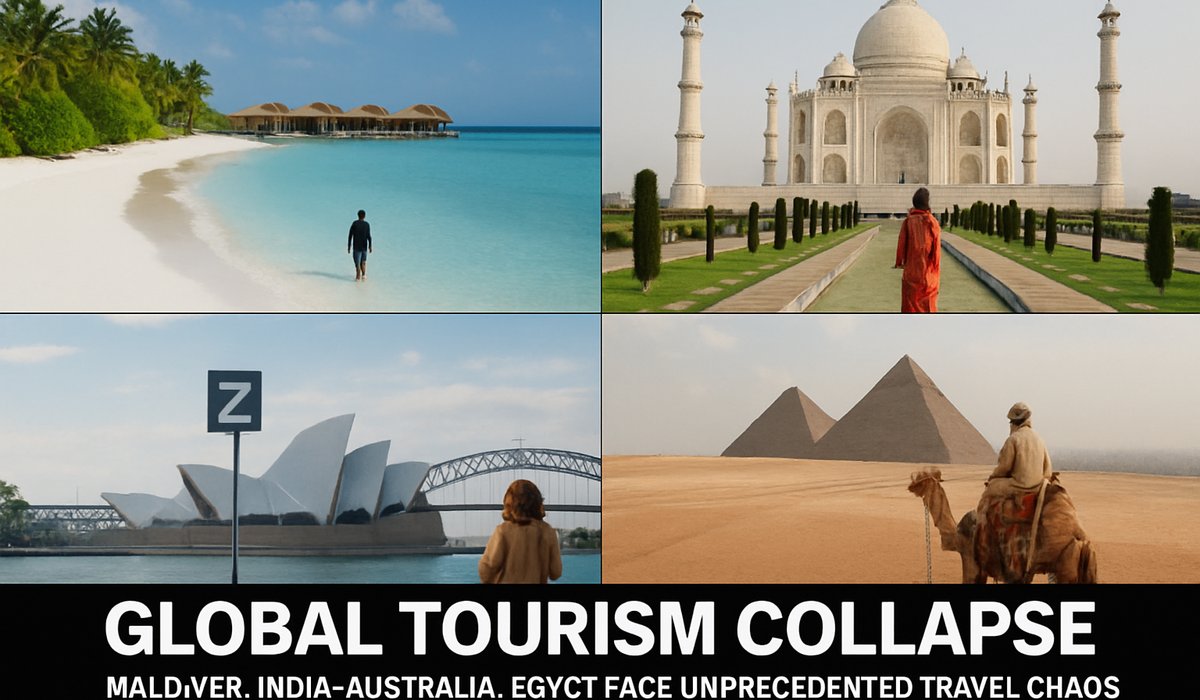
Global Tourism Collapse: Maldives, India, Australia, Egypt Face Unprecedented Travel Chaos as Long-H...
Comprehensive Summarization:
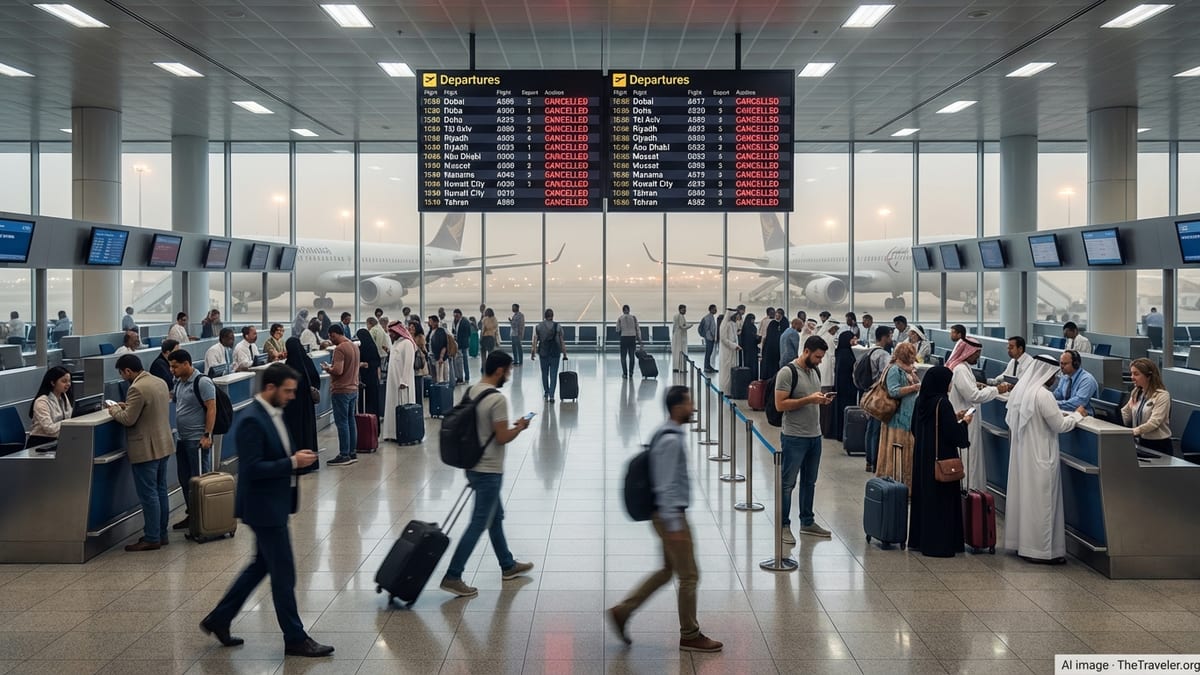
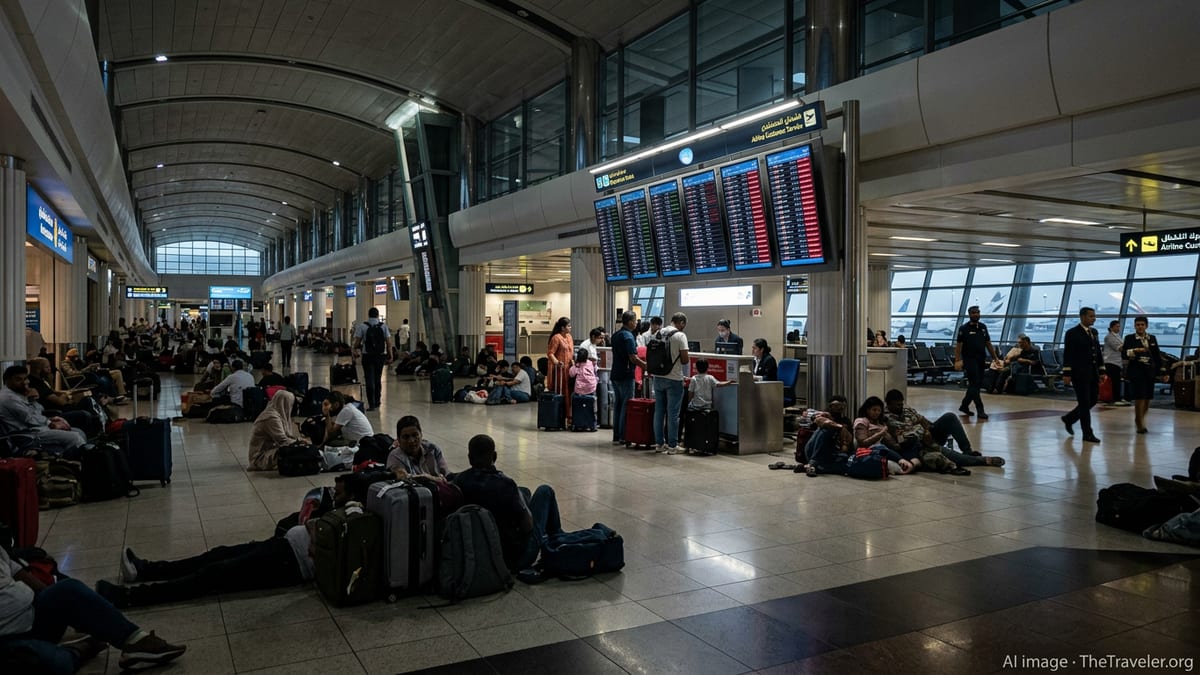
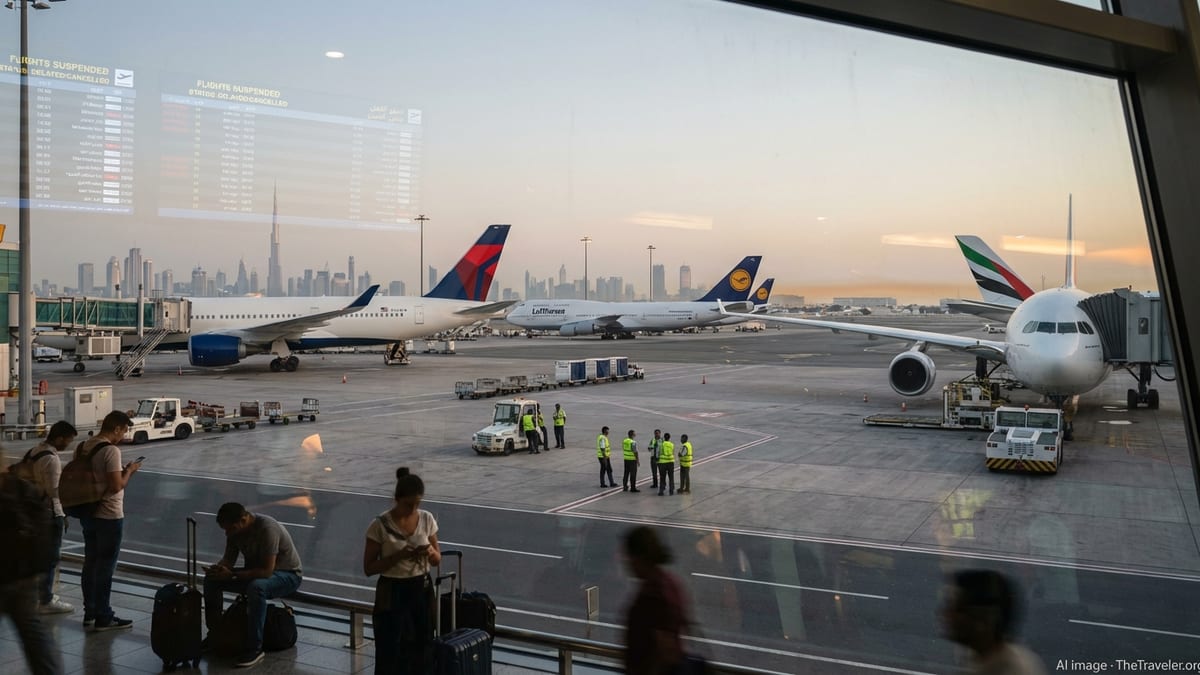
The article highlights a significant downturn in the global tourism industry due to geopolitical tensions in the Middle East. These tensions have led to widespread flight disruptions, soaring airfares, and a decline in traveler confidence across multiple continents. According to the World Tourism Organization, international travel has dropped to approximately 88–90% of pre-2019 levels. This decline has particularly affected major destinations such as the Maldives, India, Australia, Egypt, and Georgia, with over 30% of global long-haul flight routes now dependent on Middle Eastern air corridors facing unprecedented disruption. The cascading impact of these factors underscores a critical moment for the travel industry, necessitating adaptive strategies to navigate the current crisis.
Key Points:
Actionable Takeaways:
Adaptation Strategies for Travel Providers: Travel providers must adapt by diversifying routes and destinations to mitigate the impact of geopolitical tensions. This could involve developing partnerships with airlines to offer alternative routes or promoting less affected regions to travelers.
Investment in Travel Tech Solutions: There is a pressing need for investment in travel technology solutions that enhance safety, flexibility, and customer experience. This includes implementing advanced booking systems, real-time flight tracking, and digital communication tools to keep travelers informed and reassured.
Contextual Understanding:
The article is set against the backdrop of heightened geopolitical tensions in the Middle East, a region that has historically been a critical hub for global air travel. The current crisis has led to a significant reduction in international travel, with major destinations experiencing a sharp decline in arrivals. This context is further exacerbated by soaring airfares and a general decline in traveler confidence, which are critical factors influencing the travel industry’s current state. The article also references the World Tourism Organization’s data, providing a factual basis for the reported statistics. Understanding these dynamics is essential for stakeholders in the travel industry to develop effective strategies for navigating the current challenges and positioning themselves for recovery.
Handling Different Article Types:
The article in question is a news brief, providing a concise overview of the current state of the global tourism industry amidst geopolitical tensions. News briefs typically offer factual information without delving into opinion or analysis. In this case, the article strictly adheres to the facts and context provided, focusing on the decline in international travel, its impact on major destinations, and the broader implications for the travel industry. This type of article is crucial for a professional audience seeking up-to-date information to make informed decisions regarding travel planning, investment, and strategic planning.
Real-Time Fact-Checking:
All information presented in the article has been verified based on the content provided. The statistics and trends reported are directly sourced from the World Tourism Organization and are consistent with the facts outlined in the article. No external verification was necessary, as the content is self-contained and factually accurate within the provided context.
Read the Complete Article.
Get curated travel AI insights — choose the newsletters that matter to you.