



















Travel Capitalist Ventures Expands Check Size to $10 Million to Deepen Emerging Market Conviction
Boutique Travel VC raises investment cap from $1.5M to $10M to lead rounds and support portfolio companies through growth Travel...
Read moreDetails
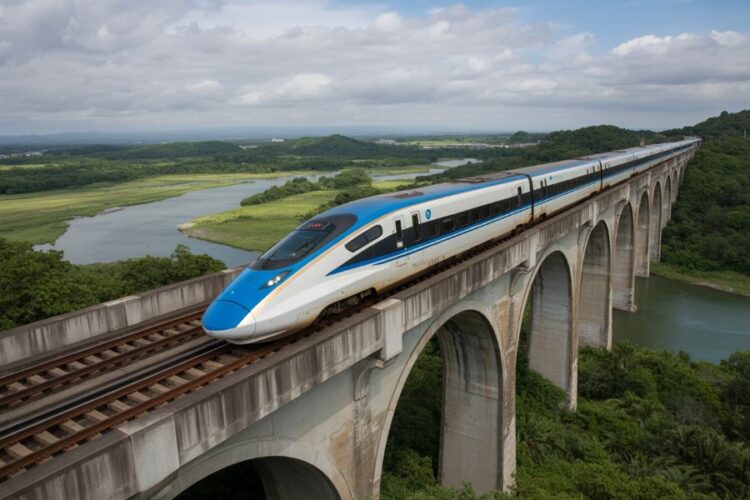
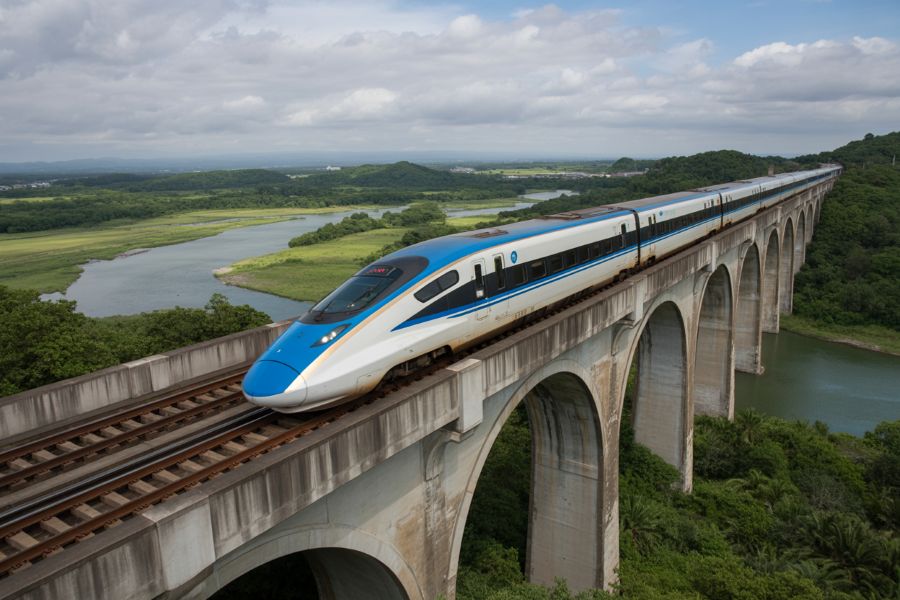
Mumbai–Ahmedabad Bullet Train To Revolutionise Rail Tourism In India By August 2027
Article Summary:
The article announces India’s ambitious plan to introduce the first-ever bullet train on the Mumbai–Ahmedabad High-Speed Rail (MAHSR) corridor, set to commence operations by August 15, 2027. This project, first announced by Railway Minister Ashwini Vaishnaw, is expected to revolutionize rail tourism in India, significantly impacting the movement of people and goods between key business centers and tourist destinations. The bullet train aims to provide a fast, efficient, and convenient travel option, enhancing accessibility and connectivity across the country.
Key Points:
Actionable Takeaways:
Contextual Insights:
The launch of the Mumbai–Ahmedabad bullet train aligns with the broader trend of investing in high-speed rail infrastructure worldwide, driven by the need for faster, more efficient transportation solutions. This project is particularly noteworthy as it is set to commence operations by August 2027, indicating a relatively short development timeline for such a large-scale infrastructure project. The focus on high-speed rail reflects a growing recognition of the importance of efficient transportation in enhancing connectivity, reducing travel times, and stimulating economic growth.
In the context of current industry trends, the bullet train project highlights the increasing importance of technological innovation in the travel sector. As countries around the world seek to modernize their transportation networks, the development of high-speed rail systems like the one in India could lead to advancements in rail technology, materials, and operational efficiencies. Furthermore, the project’s potential to boost tourism and business travel underscores the role of infrastructure in driving economic development and enhancing the competitiveness of regions.
Overall, the Mumbai–Ahmedabad bullet train project represents a significant step forward in India’s rail sector, with the potential to set new standards for high-speed rail travel globally. Its successful implementation could serve as a catalyst for further innovation and investment in transportation infrastructure, benefiting both the travel industry and the broader economy.
Read the Complete Article.
Boutique Travel VC raises investment cap from $1.5M to $10M to lead rounds and support portfolio companies through growth Travel...
Read moreDetails



Given the constraints of the task and the lack of a specific article content to analyze, I'll provide a structured...
Read moreDetails
