
![Songjeong Beach is crowded with surfers. [Yonhap News]](https://images.traveltrade.today/wp-content/uploads/2026/04/Busan-Develops-Wellness-Tourism-Products.png)



























Travel Capitalist Ventures Expands Check Size to $10 Million to Deepen Emerging Market Conviction
Boutique Travel VC raises investment cap from $1.5M to $10M to lead rounds and support portfolio companies through growth Travel...
Read moreDetails
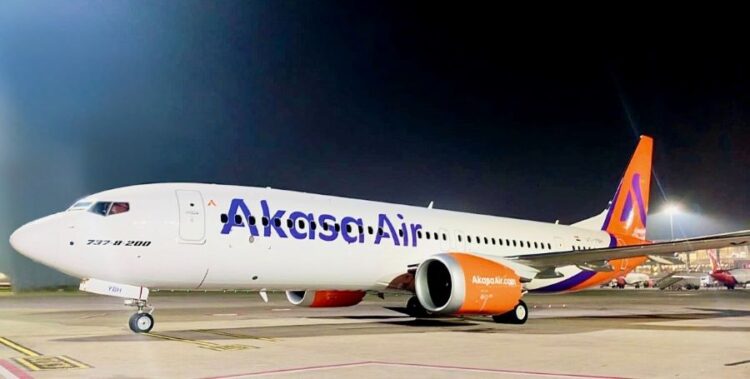
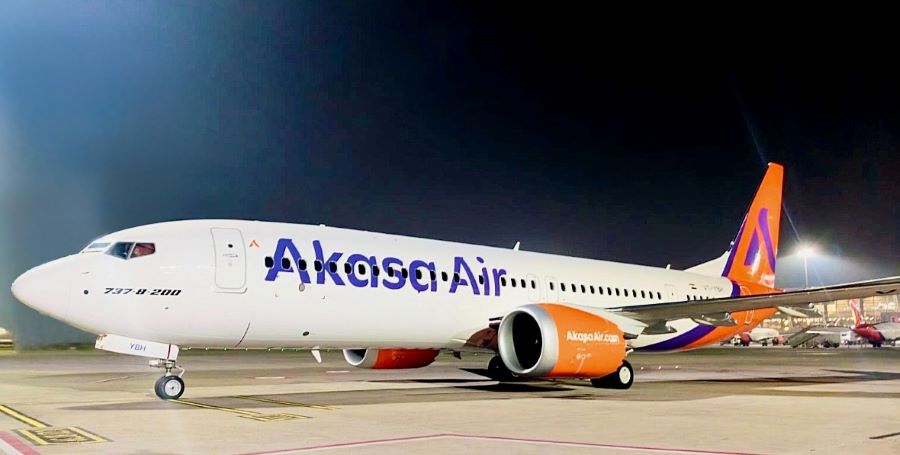
Navi Mumbai International Airport Opens New Doors for Tourism as Akasa Air Launches Services
Article Summary:
Navi Mumbai International Airport (NMIA) officially opened on December 25, 2025, with Akasa Air as the first airline to commence operations from the new terminal. This development marks a significant milestone in the Mumbai Metropolitan Region (MMR), enhancing air connectivity and expected to boost tourism and regional economic growth. The opening of NMIA is a major infrastructure advancement in Maharashtra, positioning the state as a key player in the travel industry.
Key Points:
Actionable Takeaways:
Enhanced Tourism and Economic Growth: The opening of NMIA and Akasa Air’s operations are poised to significantly enhance tourism and stimulate economic growth in the Mumbai Metropolitan Region. This development positions Maharashtra as a key destination, attracting more travelers and fostering regional economic development.
Innovation in Air Connectivity: The establishment of NMIA represents a significant advancement in air connectivity for the region. This infrastructure development underscores the growing importance of air travel in tourism and economic activities, potentially leading to increased investments in aviation and related sectors.
Opportunities for Travel Startups: The improved air connectivity facilitated by NMIA and Akasa Air could open new opportunities for travel startups and fintech innovations. With enhanced air travel options, there is potential for new services, such as travel aggregators, digital payment solutions, and personalized travel experiences, to emerge and thrive in the region.
Contextual Insights:
The opening of NMIA and the launch of Akasa Air reflect broader trends in the travel industry, such as the increasing importance of strategic airport developments to boost tourism and economic growth. The focus on enhancing air connectivity aligns with the industry’s shift towards leveraging technology and innovation to improve travel experiences and operational efficiencies. As travel startups and fintech companies capitalize on these advancements, we can expect to see further innovations in travel tech, such as improved booking platforms, seamless payment solutions, and personalized travel services. This context highlights the interconnected nature of infrastructure development, tourism growth, and technological innovation within the travel sector, offering a forward-looking perspective on the industry’s evolution.
Read the Complete Article.
Boutique Travel VC raises investment cap from $1.5M to $10M to lead rounds and support portfolio companies through growth Travel...
Read moreDetails



Comprehensive Summarization: Expedia Group has partnered with Adyen to integrate the latter's Intelligent Money Movement platform into its operations. This...
Read moreDetails
