
























Travel Capitalist Ventures Expands Check Size to $10 Million to Deepen Emerging Market Conviction
Boutique Travel VC raises investment cap from $1.5M to $10M to lead rounds and support portfolio companies through growth Travel...
Read moreDetails
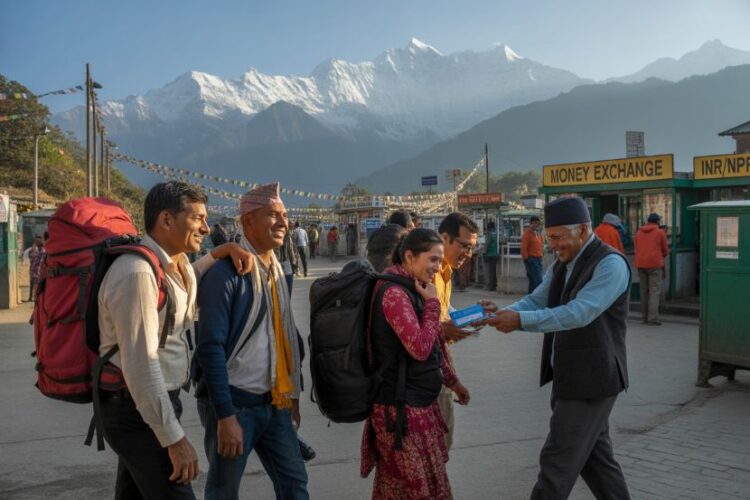
Nepal to Ease Currency Restrictions for Indian Tourists and Workers: What the New Rules on ₹100 Note...
Article Summary:
Nepal is set to ease currency restrictions for Indian tourists, workers, and students, allowing transactions above ₹100. This policy shift, anticipated to be finalized soon, aims to simplify currency exchange, revitalize tourism, and benefit cross-border travelers and traders. The move is expected to have a positive impact on Nepal’s tourism sector and simplify financial transactions for Indian nationals visiting Nepal.
Key Points:
Actionable Takeaways:
Contextual Insights:
The easing of currency restrictions between Nepal and India reflects a broader trend of liberalization in cross-border economic activities. This move aligns with the global trend of simplifying financial transactions across borders, driven by advancements in fintech and digital payment solutions. As travel technology continues to evolve, such policy changes become more feasible, enabling smoother cross-border interactions. The move also underscores Nepal’s efforts to attract more tourists and enhance its appeal as a travel destination, leveraging its rich cultural and natural heritage. This policy shift is a strategic step that could position Nepal as a more attractive destination for Indian travelers, potentially leading to increased trade and investment flows between the two nations.
Read the Complete Article.
Boutique Travel VC raises investment cap from $1.5M to $10M to lead rounds and support portfolio companies through growth Travel...
Read moreDetails




