


















Travel Capitalist Ventures Expands Check Size to $10 Million to Deepen Emerging Market Conviction
Boutique Travel VC raises investment cap from $1.5M to $10M to lead rounds and support portfolio companies through growth Travel...
Read moreDetails
PM Modi sounds alarm on antibiotics, the fallout could impact medical tourism in India - The South F...
Article Summary:
The article discusses the growing significance of medical tourism in India, highlighting its role in generating foreign exchange, creating employment, and showcasing Indian medical expertise globally. Prime Minister Modi’s recent warning about antibiotic misuse underscores a critical issue that could impact India’s medical tourism sector. The article emphasizes the need for responsible antibiotic use to prevent the development of drug-resistant bacteria, which could undermine the credibility and safety of medical tourism in India.
Key Points:
Medical Tourism’s Economic Impact: Medical tourism in India is a significant contributor to foreign exchange earnings and job creation, positioning the country as a global leader in medical expertise.
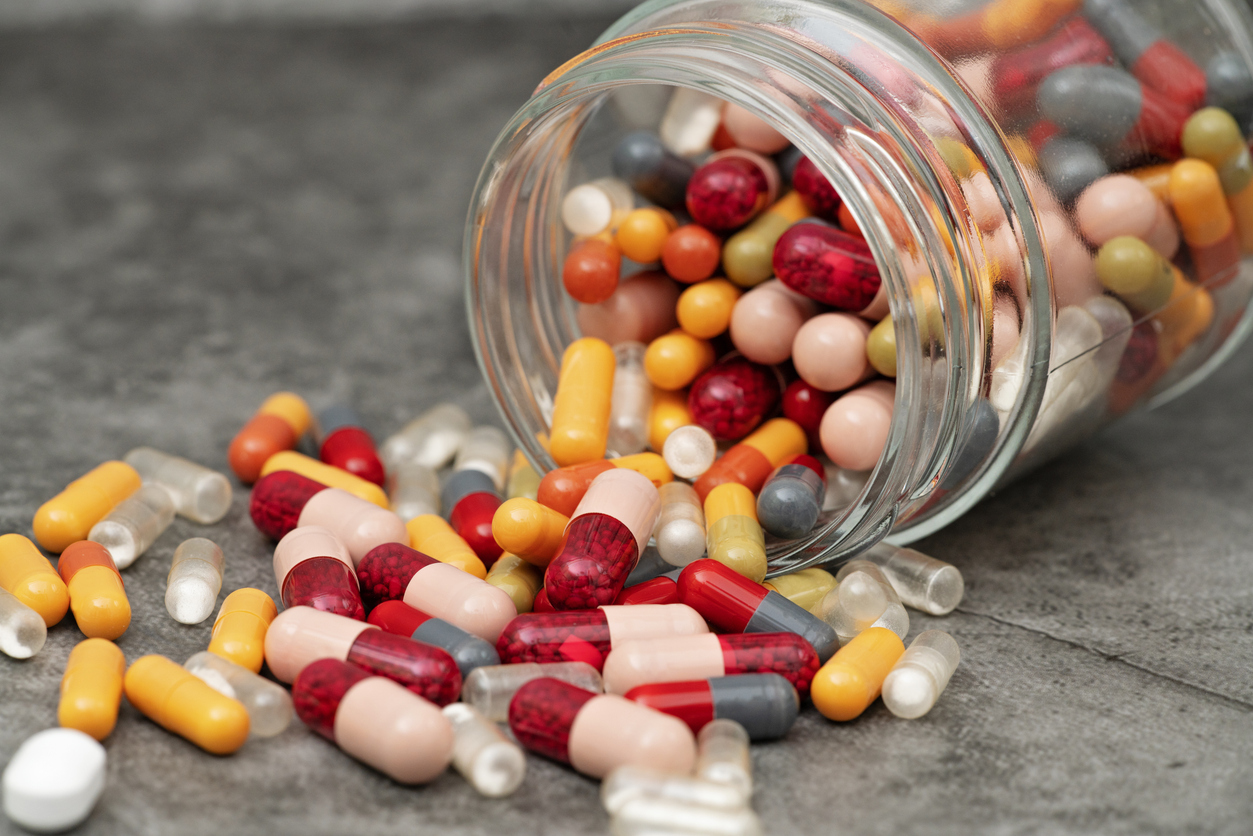
Antibiotic Misuse Concerns: Prime Minister Modi has issued a warning regarding the misuse of antibiotics, which could lead to the emergence of drug-resistant bacteria. This issue is particularly concerning for India, where 83% of patients already carry resistant bacteria, as indicated by Dr. D Nageshwar Reddy’s study.
Source of Resistance: The study traces the origin of resistant bacteria to various sources, including food, farms, and other environmental factors, highlighting the need for comprehensive strategies to combat antibiotic resistance.
Actionable Takeaways:
Implement Antibiotic Stewardship Programs: Healthcare providers and policymakers should adopt and promote antibiotic stewardship programs to ensure the appropriate use of antibiotics. This includes guidelines for prescribing antibiotics, patient education on the importance of completing prescribed courses, and monitoring for antibiotic resistance. Relevance: Addressing antibiotic misuse is crucial to preserving the efficacy of antibiotics, thereby maintaining the safety and reputation of medical tourism in India.
Invest in Research and Development: There is a pressing need for increased investment in research and development of new antibiotics and alternative treatments. By fostering innovation in this area, India can develop novel solutions to combat antibiotic resistance, ensuring the sustainability of its medical tourism sector. Relevance: Developing new treatments will not only help in managing antibiotic resistance but also position India as a pioneer in medical advancements, attracting more patients to its medical tourism offerings.
Enhance Public Awareness Campaigns: Launching public awareness campaigns to educate the population about the dangers of antibiotic misuse and the importance of responsible antibiotic use is essential. These campaigns should target both healthcare providers and the general public, emphasizing the role of individual responsibility in combating antibiotic resistance. Relevance: Raising awareness can significantly reduce the prevalence of antibiotic-resistant bacteria, thereby protecting the integrity of medical tourism and ensuring patient safety.
Contextual Insights:
The article reflects the current challenges faced by India’s medical tourism industry, particularly in the context of antibiotic resistance. As global health concerns continue to evolve, the issue of antibiotic misuse has become a critical factor that could either bolster or undermine the sector’s growth. The warning from Prime Minister Modi serves as a timely reminder of the urgent need for action to address this issue. By integrating insights from thought leaders and recent developments, the article provides a forward-looking perspective on the potential impacts of antibiotic resistance on medical tourism. This context underscores the importance of proactive measures to safeguard the future of India’s medical tourism industry, ensuring it remains a viable and reputable option for global patients seeking high-quality healthcare services.
Read the Complete Article.
Boutique Travel VC raises investment cap from $1.5M to $10M to lead rounds and support portfolio companies through growth Travel...
Read moreDetails



Comprehensive Summarization: The Tourism Authority of Thailand (TAT) has unveiled its tourism strategy for 2026, emphasizing value-led growth and long-term...
Read moreDetails
