

















Travel Capitalist Ventures Expands Check Size to $10 Million to Deepen Emerging Market Conviction
Boutique Travel VC raises investment cap from $1.5M to $10M to lead rounds and support portfolio companies through growth Travel...
Read moreDetails
From Defence To Civil Skies: HAL’s Dhruv-NG Helicopter Takes Flight In India’s Aviation Push
Article Summary:
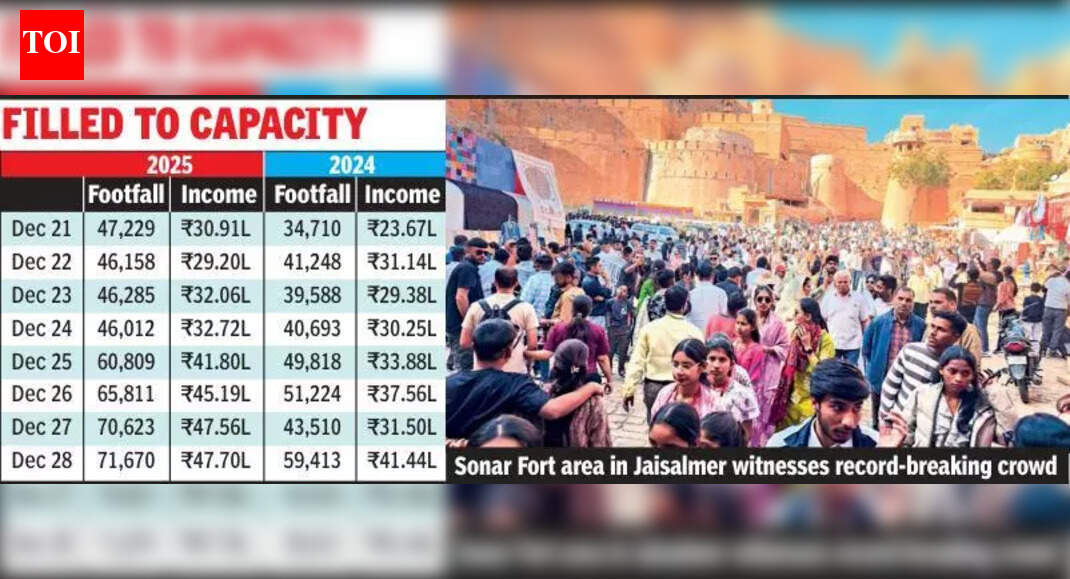
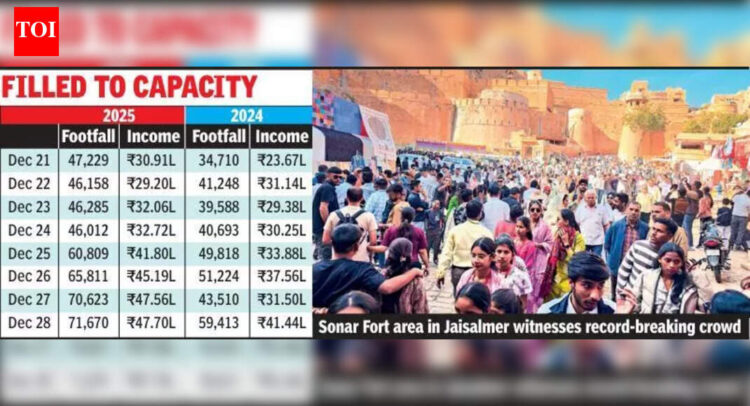
The article reports on a significant surge in tourist footfall during the Christmas season in major tourist destinations of Rajasthan, including Jaipur, Udaipur, and Jaisalmer. Jaipur alone saw a 23% increase in visitors compared to the same period last year, with 4.5 lakh visitors in the 8 days starting December 21. While this surge benefited hotels, guides, and transport operators, it also led to heavy traffic congestion, long delays, and restricted mobility for residents and daily commuters, particularly in the old city areas.
Key Points:
Actionable Takeaways:
Contextual Insights:
The surge in tourist numbers during the Christmas season underscores the resilience and attractiveness of Rajasthan’s tourism sector, even amidst global challenges. This trend aligns with the broader industry shift towards sustainable and experiential travel, where destinations are increasingly focusing on offering unique, immersive experiences that cater to modern traveler preferences. The article also highlights the economic benefits of tourism, particularly for local businesses, which is a key insight for policymakers and industry stakeholders aiming to maximize the socio-economic impact of tourism. Furthermore, the challenges faced by residents and daily commuters highlight the need for balanced urban planning that accommodates both tourists and local populations, ensuring that tourism development does not come at the expense of quality of life.
Read the Complete Article.
Boutique Travel VC raises investment cap from $1.5M to $10M to lead rounds and support portfolio companies through growth Travel...
Read moreDetails



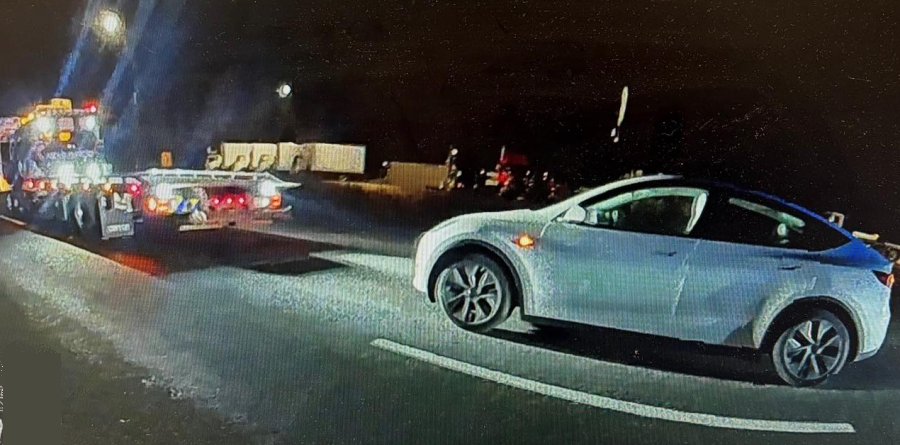
Comprehensive Summarization: On April 7th, around 10 PM, troopers from the Newbury Barracks received 911 calls about a disabled vehicle...
Read moreDetails
