





No products in the cart.
- Latest
- Trending

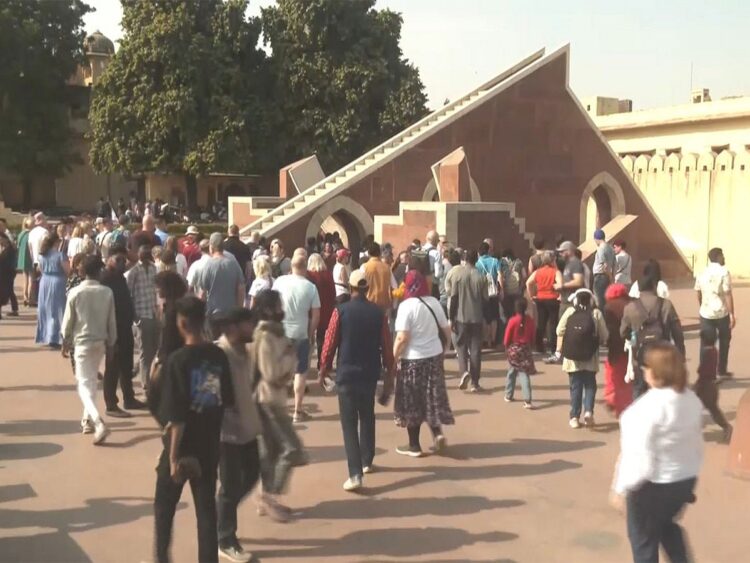
Rajasthan’s tourism sector booms as Jaipur draws heavy visitor turnout
Comprehensive Summarization:
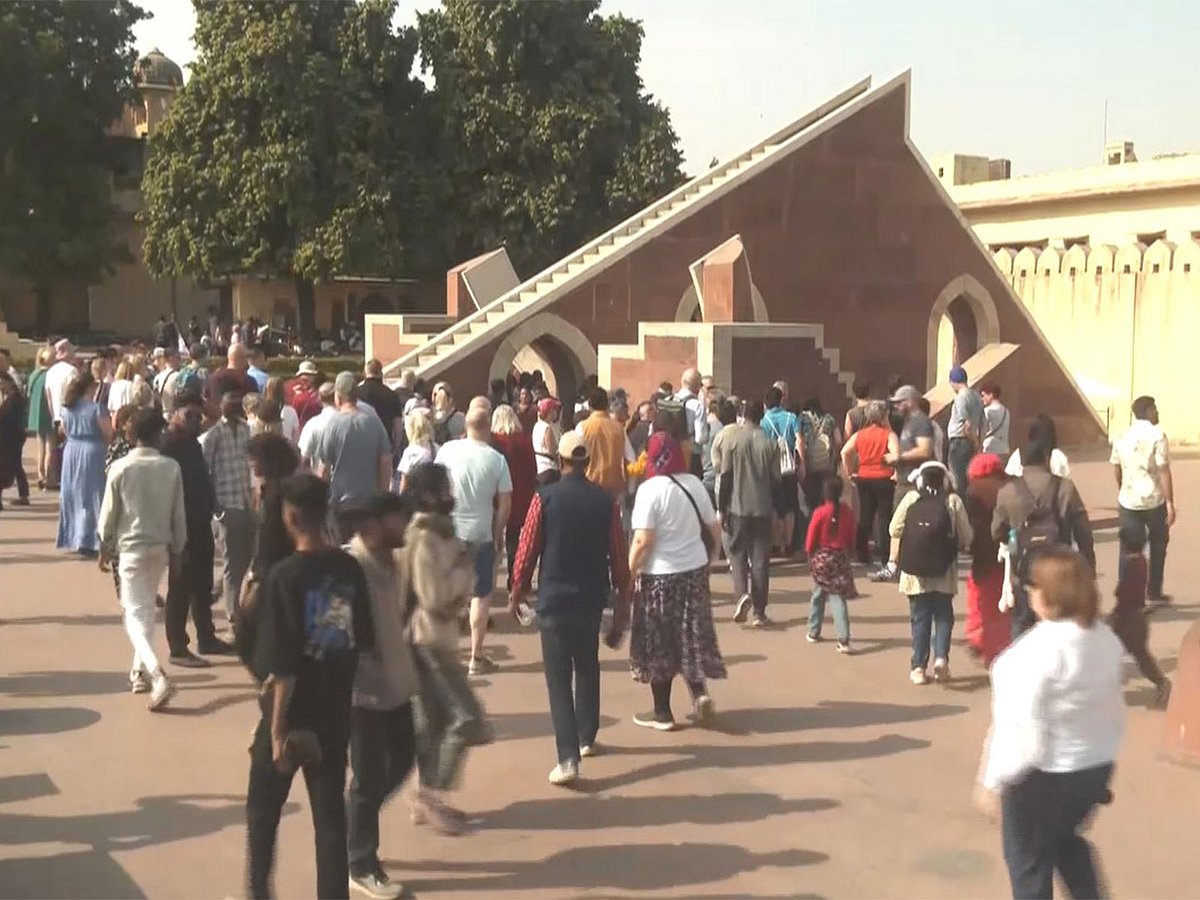
The article provides a firsthand account of a domestic tourist’s visit to Jaipur, often referred to as the “Pink City” of India. The visitor spent three days exploring various historical sites such as Amer Fort, Sheesh Mahal, City Palace, Jantar Mantar, and museums, gaining a deep appreciation for the city’s rich cultural heritage. Another traveler from Himachal Pradesh, Nakul, shared that the college trip to Jaipur significantly enhanced his understanding of India’s cultural heritage and the city’s people and cuisine. The overall context highlights Jaipur’s appeal as a tourist destination, its historical significance, and the enriching experiences it offers to visitors.
Key Points:
Actionable Takeaways:
Enhanced Cultural Tourism: Jaipur’s historical sites attract tourists interested in cultural heritage, indicating a strong market for cultural tourism. Travel agencies and tour operators can capitalize on this trend by offering specialized cultural tours that include visits to historical sites like Amer Fort and City Palace.
Educational Travel Opportunities: The article highlights how educational trips, such as those taken by college students, can deepen understanding of a country’s cultural heritage. Educational institutions can collaborate with travel agencies to create structured educational tours that provide immersive learning experiences, potentially increasing demand for such travel packages.
Focus on Historical Preservation: The emphasis on historical sites suggests a growing interest in preserving and experiencing historical landmarks. Travel tech companies can innovate by developing apps or platforms that offer virtual tours or augmented reality experiences of historical sites, making them accessible to a broader audience and enhancing the travel experience.
Contextual Insights:
The article reflects current travel trends where cultural and historical tourism is gaining traction. With the rise of digital platforms and travel tech innovations, there is an increasing demand for immersive and educational travel experiences. This aligns with the insights provided by thought leaders in the travel industry, who emphasize the importance of experiential learning and cultural immersion. The focus on historical sites like Jantar Mantar and Amer Fort indicates a continued interest in preserving and showcasing historical landmarks, which is crucial for maintaining the cultural identity of destinations like Jaipur. Furthermore, the article’s mention of Jaipur’s appeal to domestic tourists suggests that domestic tourism remains a significant driver of the travel industry, offering opportunities for local businesses and tourism infrastructure development.
Read the Complete Article.
Get curated travel AI insights — choose the newsletters that matter to you.
ALTOUR Expands into Thailand, Strengthening Corporate Travel Network Across Southeast Asia BANGKOK, THAILAND (25 March, 2026) – ALTOUR, a leading...
Read moreDetails


Busan, South Korea — August 14, 2023 In short: Airalo and Busan Metropolitan City collaborate to provide 100,000 free eSIM...
Read moreDetails