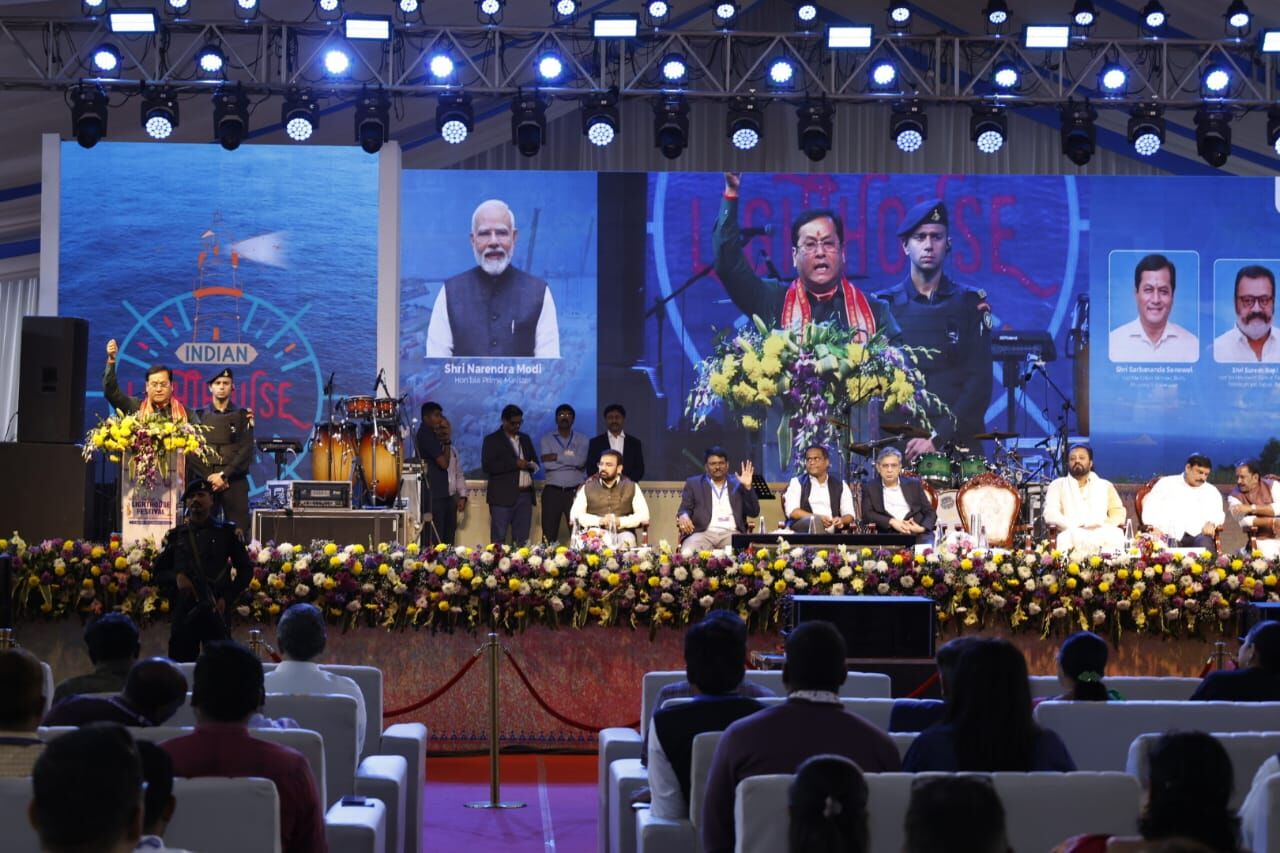
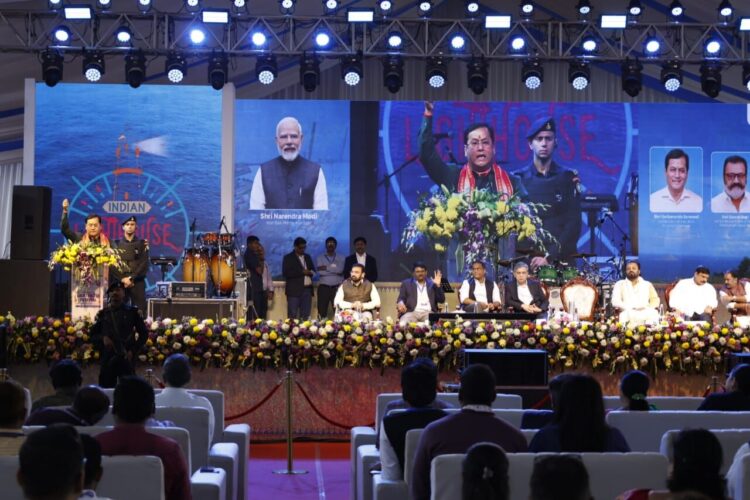
The Indian Lighthouse Festival 3.0 concluded in Visakhapatnam on a high note, with Union Minister Sarbananda Sonowal declaring that the event helped the city emerge as a “beacon of India’s maritime heritage and coastal culture.” The festival, which celebrated people, culture, and heritage, exceeded expectations with vibrant performances, cultural expressions, local crafts, culinary diversity, fashion presentations, and night-time illumination. These elements transformed Visakhapatnam into a living celebration of India’s coastal identity.
Key Points:
The Indian Lighthouse Festival 3.0 successfully highlighted Visakhapatnam’s maritime heritage and coastal culture.
Union Minister Sarbananda Sonowal praised the festival for transforming the city into a living celebration of India’s coastal identity.
The festival featured vibrant performances, cultural expressions, local crafts, culinary diversity, fashion presentations, and night-time illumination.
Actionable Takeaways:
Cultural Tourism as a Growth Driver: The success of the Indian Lighthouse Festival underscores the potential of cultural tourism in driving economic growth and enhancing a city’s reputation as a heritage destination. Cities and regions should invest in cultural festivals to leverage their unique heritage and attract tourists, thereby boosting local economies.
Integration of Technology in Cultural Events: The festival’s emphasis on night-time illumination and vibrant performances suggests a trend towards integrating technology and modern entertainment elements into cultural events. Travel companies and event organizers can explore innovative tech solutions to enhance visitor experiences, such as augmented reality (AR) or virtual reality (VR) elements, to create immersive cultural experiences.
Contextual Insights:
The Indian Lighthouse Festival 3.0 reflects a broader trend in the travel industry towards celebrating and promoting cultural heritage as a key driver of tourism. As the world becomes increasingly interconnected, there is a growing emphasis on authentic cultural experiences that offer tourists a deeper understanding of a destination’s history and traditions. This aligns with the rise of experiential travel, where travelers seek immersive and meaningful experiences over traditional sightseeing.
Moreover, the festival’s success highlights the importance of leveraging local crafts, culinary diversity, and fashion presentations to create a holistic cultural experience. This approach not only enriches the visitor’s experience but also supports local artisans and businesses, fostering sustainable tourism practices. For travel startups and fintech companies, this presents an opportunity to develop platforms that facilitate cultural exchange, promote local products, and enhance the booking and payment processes for cultural tourism experiences.
Handling Different Article Types:
The article in question is a news blurb, providing factual information about a recent event and its impact. The structured output format ensures that the summary, key points, and actionable takeaways are presented in a clear and professional manner, suitable for a professional audience. The contextual insights integrate the latest travel trends and expert opinions to provide forward-looking perspectives on the significance of cultural tourism in the current travel landscape.