














Travel Capitalist Ventures Expands Check Size to $10 Million to Deepen Emerging Market Conviction
Boutique Travel VC raises investment cap from $1.5M to $10M to lead rounds and support portfolio companies through growth Travel...
Read moreDetails
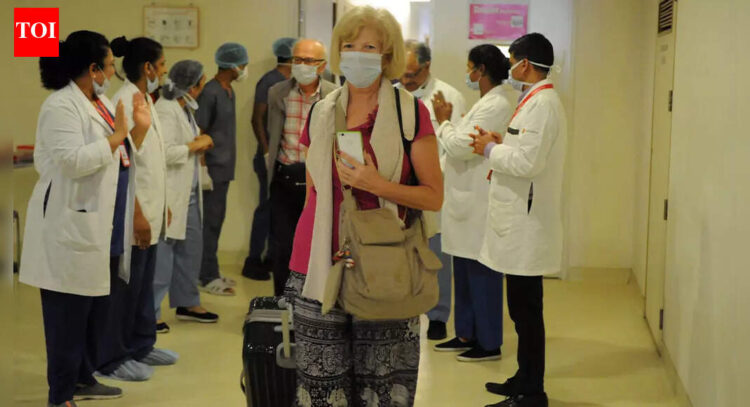
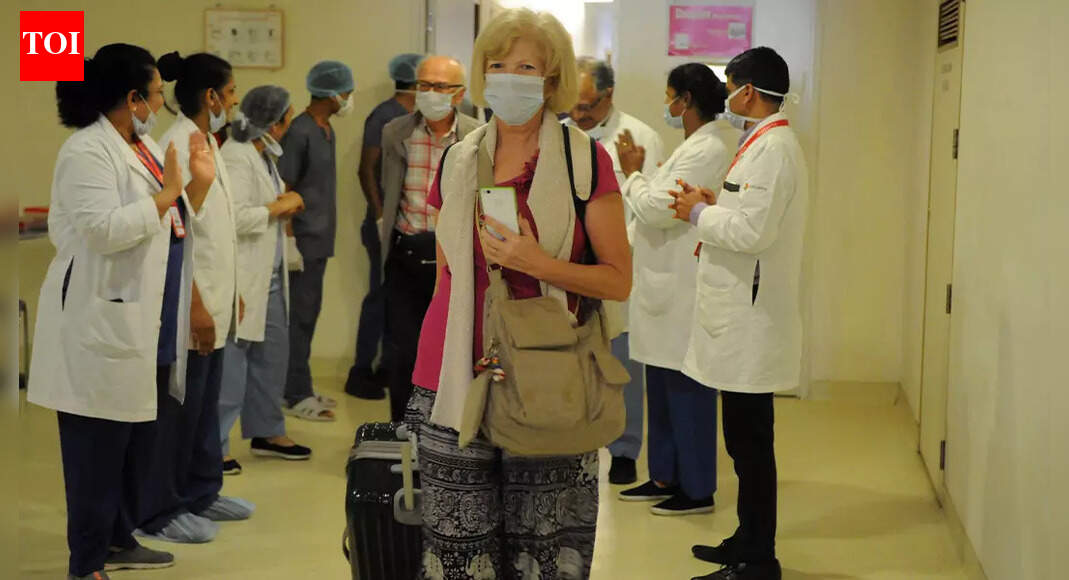
Scalpels And Soft Power - The Times of India
Article Summary:
The article discusses the potential of medical tourism as a significant growth engine for India, highlighting the country’s deep pool of skilled doctors, modern hospitals, and cost advantages. It notes that the global medical tourism industry is projected to grow from $40 billion to $100 billion by 2030, with India currently holding a modest share of 6-8%. The article suggests that India could potentially capture a 25-30% share of this market, surpassing leaders like Thailand and Türkiye. This growth is attributed to the increasing demand for advanced, affordable, and reliable medical treatments from foreign patients.
Key Points:
Actionable Takeaways:
Investment in Healthcare Infrastructure: India should prioritize investments in healthcare infrastructure to enhance its appeal to medical tourists. This includes upgrading hospitals, expanding the pool of skilled doctors, and ensuring compliance with international healthcare standards. This action is crucial as it directly aligns with the article’s assertion that India’s growth in medical tourism is contingent upon its healthcare capabilities.
Marketing and Branding: To capture a larger share of the medical tourism market, India needs to enhance its marketing and branding efforts. This could involve creating a strong brand identity for Indian healthcare services, leveraging digital marketing strategies, and collaborating with international travel agencies to promote medical tourism packages. This takeaway is relevant as it directly addresses the need to leverage India’s existing advantages to increase its market share in medical tourism.
Policy and Regulatory Framework: The article suggests that India’s potential to become a major player in medical tourism is contingent upon its current share of the market. Therefore, policymakers should focus on creating a favorable regulatory framework that encourages foreign patients to choose India for medical treatments. This includes streamlining visa processes for medical tourists, ensuring transparency in treatment costs, and providing quality assurance mechanisms. This takeaway is significant as it underscores the importance of a supportive policy environment in realizing India’s growth potential in medical tourism.
Contextual Insights:
The article’s focus on medical tourism as a potential growth engine for India is particularly relevant in the current context of global healthcare trends. The increasing demand for affordable and high-quality medical treatments, especially in the wake of the COVID-19 pandemic, has led to a surge in medical tourism. Countries like Thailand and Türkiye have capitalized on this trend, offering advanced medical services at a fraction of the cost compared to Western countries. India, with its vast pool of skilled doctors and modern healthcare facilities, is well-positioned to leverage this trend.
Moreover, the article’s emphasis on the potential for India to capture a 25-30% share of the global medical tourism market highlights the competitive dynamics within the healthcare sector. As other countries continue to invest in their healthcare infrastructure and marketing efforts, India must also intensify its strategies to remain competitive. This includes adopting technological advancements in healthcare delivery, enhancing patient experience, and ensuring regulatory compliance.
In the broader context of the travel industry, the growth of medical tourism presents both opportunities and challenges. On one hand, it opens up new avenues for travel and tourism, particularly for patients seeking specialized treatments. On the other hand, it requires the travel and hospitality sectors to adapt to the unique needs of medical tourists, including logistical support, accommodation, and post-treatment care. Thought leaders in the travel industry are likely to emphasize the importance of developing specialized services and partnerships to cater to this niche market segment.
Handling Different Article Types:
The article provided is a news brief, offering factual information about the potential of medical tourism as a growth engine for India. News briefs typically focus on presenting key facts and developments without delving into opinion or analysis. Therefore, the analysis and takeaways provided are strictly based on the factual content of the article, ensuring accuracy and relevance to the professional audience.
Read the Complete Article.
Boutique Travel VC raises investment cap from $1.5M to $10M to lead rounds and support portfolio companies through growth Travel...
Read moreDetails



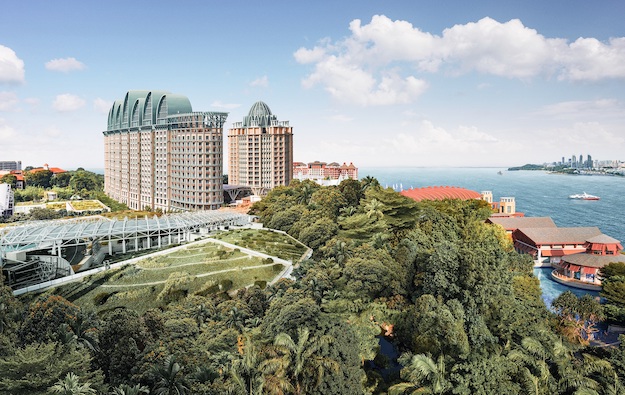
Comprehensive Summarization: Genting Singapore Ltd, the operator of Resorts World Sentosa casino complex in Singapore, is confident in its position...
Read moreDetails
