



















Travel Capitalist Ventures Expands Check Size to $10 Million to Deepen Emerging Market Conviction
Boutique Travel VC raises investment cap from $1.5M to $10M to lead rounds and support portfolio companies through growth Travel...
Read moreDetails
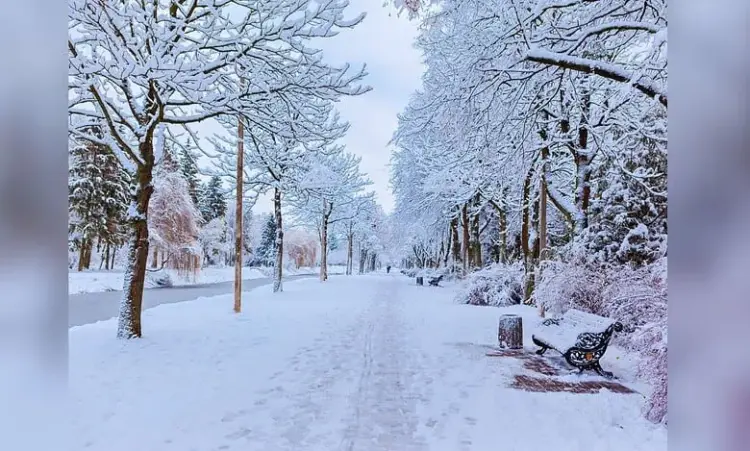
Lack of Snowfall Hits Winter Tourism in Jammu and Kashmir
Article Summary:
The article reports that high-altitude tourist destinations in Jammu and Kashmir’s Doda district, such as Guldanda, Chattergalla, and Padri, have not received significant snowfall since the onset of winter. This dry spell has adversely affected winter tourism and adventure sports, impacting tourist arrivals and the local economy. Stakeholders in tourism have expressed concerns over the adverse effects of the prolonged dry spell on the region’s winter tourism industry.
Key Points:
Actionable Takeaways:
Contextual Insights:
The article highlights the impact of a prolonged dry spell on winter tourism in Jammu and Kashmir’s Doda district. This situation is indicative of the broader challenges faced by the travel industry due to climate change and unpredictable weather patterns. The trend towards diversifying tourism offerings and investing in alternative attractions is becoming increasingly relevant as destinations seek to maintain their appeal despite changing weather conditions. Furthermore, the emphasis on eco-friendly tourism aligns with the growing consumer preference for sustainable travel options. These insights underscore the need for the travel industry to be adaptable and innovative in response to evolving environmental conditions and consumer preferences.
Read the Complete Article.
Boutique Travel VC raises investment cap from $1.5M to $10M to lead rounds and support portfolio companies through growth Travel...
Read moreDetails




