


















Travel Capitalist Ventures Expands Check Size to $10 Million to Deepen Emerging Market Conviction
Boutique Travel VC raises investment cap from $1.5M to $10M to lead rounds and support portfolio companies through growth Travel...
Read moreDetails
Camphor vs naphthalene balls: Which one is safer for your health?
Article Summary:
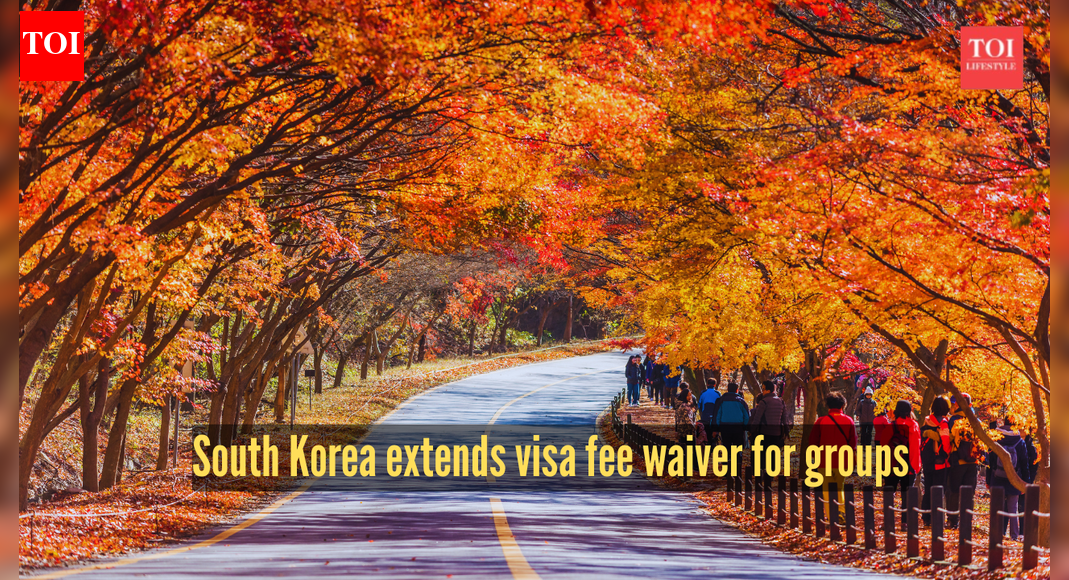
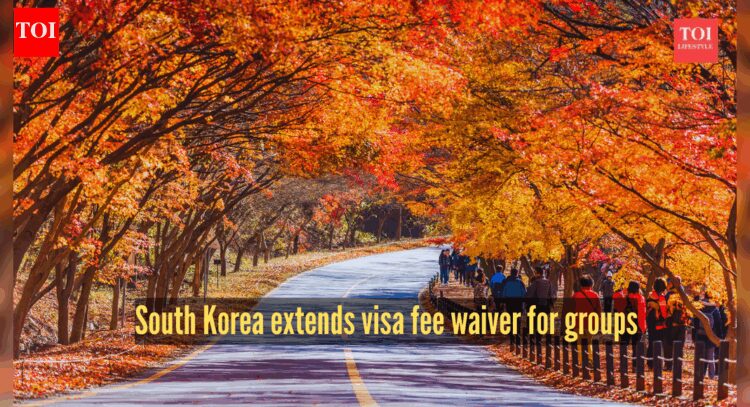
South Korea has extended the visa processing fee waiver for short-term group tourists from six countries, including India, for another six months. This decision, announced by Finance Minister Koo Yun-cheol, aims to sustain the strong recovery in inbound tourism. The waiver applies to C-3-2 short-term group visas, which will remain valid until June 30 next year.
Key Points:
Actionable Takeaways:
Contextual Insights:
The extension of the visa waiver aligns with the broader trend of countries seeking to revive their tourism sectors post-pandemic. By reducing financial barriers for group travelers, South Korea is not only supporting its tourism industry but also demonstrating a commitment to international cooperation and recovery. This move is likely to encourage other nations to review their visa policies, potentially leading to a wave of similar initiatives aimed at boosting tourism. Furthermore, the focus on short-term group visas highlights the growing importance of group travel in the post-pandemic landscape, suggesting a shift towards more organized and community-based tourism experiences. This context underscores the broader industry trend of leveraging technology and policy to enhance travel experiences and drive economic recovery.
Read the Complete Article.
Boutique Travel VC raises investment cap from $1.5M to $10M to lead rounds and support portfolio companies through growth Travel...
Read moreDetails



Comprehensive Summarization: Ethiopian Airlines commemorated its 80th anniversary on April 8, 2026, with Group CEO Mesfin Tasew officially opening the...
Read moreDetails
