



















Travel Capitalist Ventures Expands Check Size to $10 Million to Deepen Emerging Market Conviction
Boutique Travel VC raises investment cap from $1.5M to $10M to lead rounds and support portfolio companies through growth Travel...
Read moreDetails
Camphor vs naphthalene balls: Which one is safer for your health?
Article Summary:
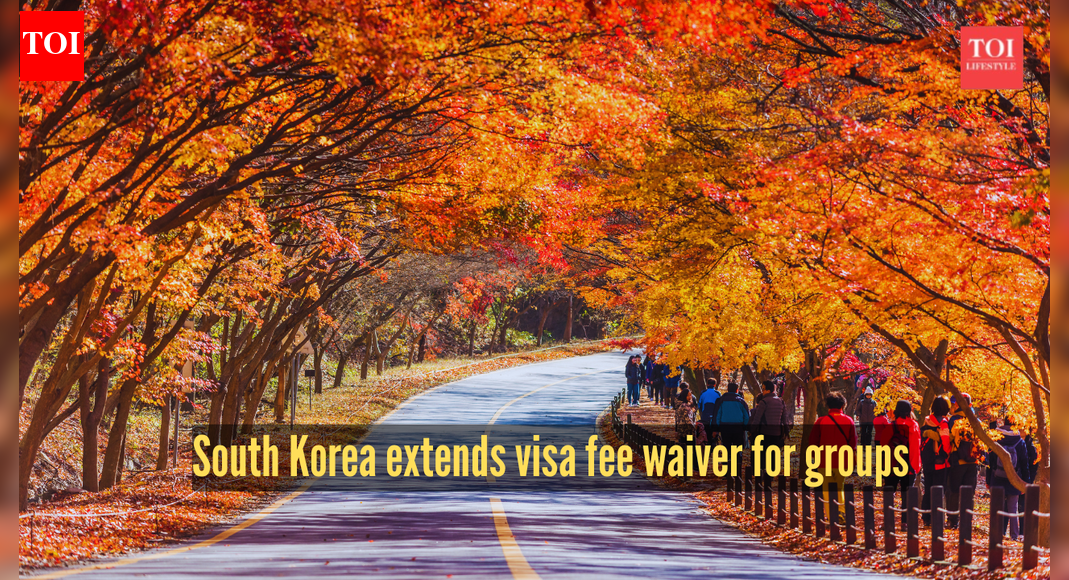
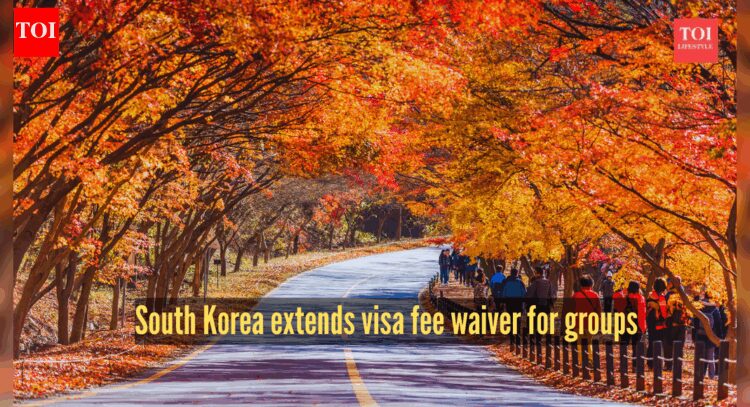
South Korea has extended the visa processing fee waiver for short-term group tourists from six countries, including India, for another six months. This decision, announced by South Korean Finance Minister Koo Yun-cheol, aims to sustain the strong recovery in inbound tourism amid a steady rise in foreign arrivals. The waiver applies to C-3-2 short-term group visas, which was set to expire but will now remain in effect until June 30 next year.
Key Points:
Actionable Takeaways:
Contextual Insights:
The extension of the visa waiver aligns with the broader trend of governments worldwide seeking to stimulate tourism recovery post-pandemic. By reducing financial barriers for group tourists, South Korea is not only supporting its tourism sector but also demonstrating a proactive approach to economic recovery. This move is particularly relevant in the context of the ongoing travel industry’s shift towards group travel, as it offers a more affordable and accessible option for tourists. Furthermore, this policy could inspire other countries to adopt similar measures, potentially leading to a more unified global strategy for tourism recovery. The article also highlights the importance of strategic government interventions in driving economic recovery, a theme that resonates with current industry trends and expert opinions.
Read the Complete Article.
Boutique Travel VC raises investment cap from $1.5M to $10M to lead rounds and support portfolio companies through growth Travel...
Read moreDetails



Comprehensive Summarization: Ethiopian Airlines commemorated its 80th anniversary on April 8, 2026, with Group CEO Mesfin Tasew officially opening the...
Read moreDetails
