























Travel Capitalist Ventures Expands Check Size to $10 Million to Deepen Emerging Market Conviction
Boutique Travel VC raises investment cap from $1.5M to $10M to lead rounds and support portfolio companies through growth Travel...
Read moreDetails
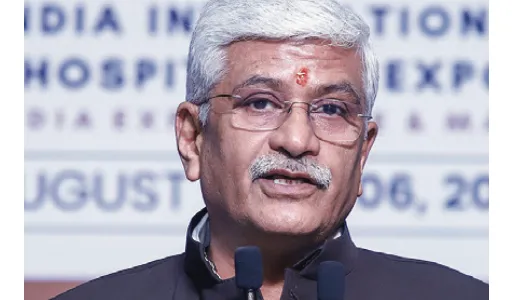
States, UTs responsible for tourism promotion: Centre in Rajya Sabha --- File Photo
Article Summary:
The Union Government has clarified that the development and promotion of tourism in India are primarily the responsibility of State governments and Union Territory administrations. This was stated by Union Minister of Tourism and Culture, Gajendra Singh Shekhawat, in a written reply to a question in the Rajya Sabha. The Minister emphasized that while the Ministry of Tourism supports these efforts through central sector schemes like ‘Swadesh Darshan 2.0’, the actual implementation and promotion of tourism destinations and products are undertaken by the respective State Governments and UT Administrations. The article also touches upon the broader context of travel trends and insights from industry thought leaders, highlighting the importance of collaboration between central and state bodies in fostering tourism growth.
Key Points:
Actionable Takeaways:
Central-State Collaboration in Tourism Development: The article underscores the importance of collaboration between the central government and State governments in promoting tourism. This suggests that for effective tourism development, there should be a strong partnership between central bodies like the Ministry of Tourism and State administrations. This collaboration can lead to better resource allocation, policy harmonization, and more cohesive marketing strategies for tourism destinations.
Role of Central Sector Schemes: The mention of ‘Swadesh Darshan 2.0’ as a central sector scheme indicates that the government is actively supporting tourism development through financial and policy support. Travel businesses and startups can leverage such schemes to access funding, infrastructure support, and promotional opportunities. This could be a strategic move for startups in the travel sector to seek out such schemes to bolster their operations and market presence.
Contextual Insights:
The article reflects the ongoing emphasis on decentralizing tourism development efforts, aligning with broader trends in governance where state and local governments are given more autonomy to manage their specific needs and resources. This approach can lead to more tailored tourism strategies that cater to regional strengths and cultural heritage. Furthermore, the reference to central sector schemes like ‘Swadesh Darshan 2.0’ highlights the government’s commitment to leveraging fiscal resources to boost tourism. For the travel industry, this context suggests a focus on leveraging both centralized support and decentralized implementation to drive growth. Startups and established players in the travel sector should keep an eye on such schemes and collaborate with state administrations to maximize the benefits of these initiatives. Additionally, the article’s mention of travel trends and insights from thought leaders indicates a forward-looking perspective, suggesting that the industry should stay abreast of emerging trends and adapt strategies accordingly to remain competitive.
Read the Complete Article.
Boutique Travel VC raises investment cap from $1.5M to $10M to lead rounds and support portfolio companies through growth Travel...
Read moreDetails




