




No products in the cart.
- Latest
- Trending

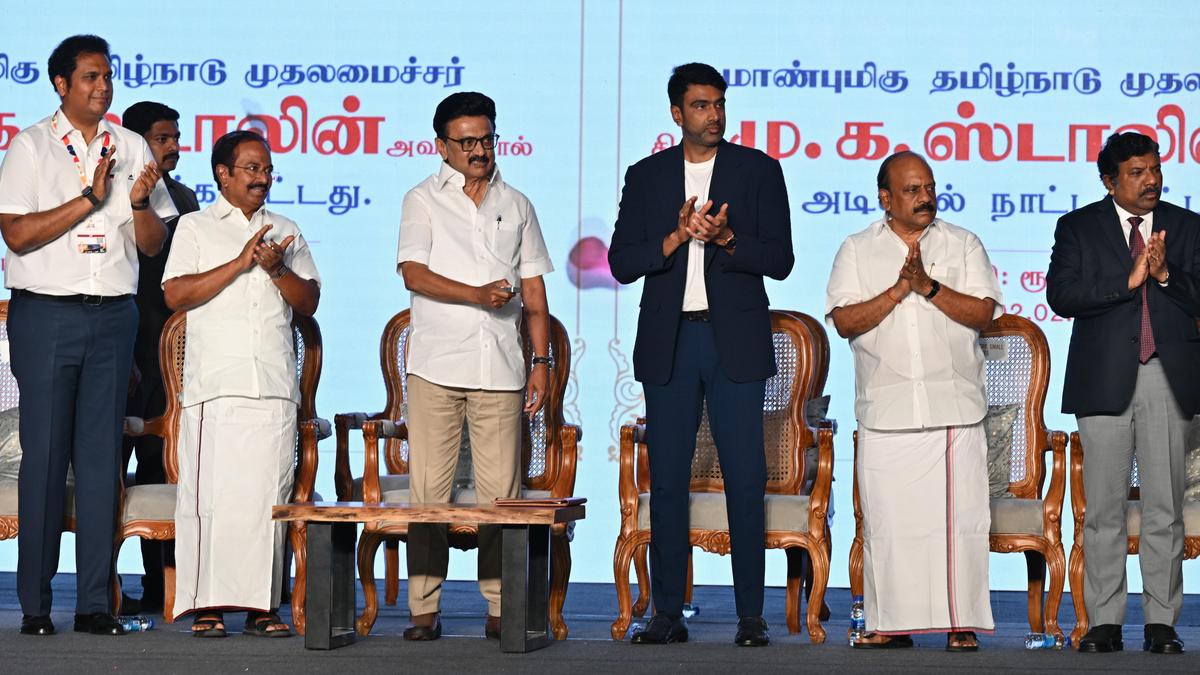
Tamil Biennale will be held in January 2027, Stalin says at Global Tourism Summit
Comprehensive Summarization:
The Tamil Nadu government, led by Chief Minister M.K. Stalin, is set to elevate the state as a premier destination for art and cultural tourism with the launch of the “Tamil Biennale” in January 2027. This initiative comes on the heels of the Tamil Nadu Global Tourism Summit 2026, where the state government signed 127 Memoranda of Understanding (MoUs) valued at ₹22,794 crore, which are expected to generate 65,937 jobs. To bolster tourism infrastructure, a “Special Area Development Authority” will be established around Mamallapuram, with an estimated cost of ₹100 crore, to create world-class, modern facilities. The Tamil Nadu Tourism Policy 2023 mandates SIPCOT to identify tourist locations and establish necessary facilities, with the first step already underway involving the identification of four such sites.
Key Points:
Actionable Takeaways:
Investment in Tourism Infrastructure: The establishment of a Special Area Development Authority around Mamallapuram, with a budget of ₹100 crore, signals a strong commitment to enhancing tourism infrastructure. This investment is likely to attract more tourists, thereby boosting the local economy and creating employment opportunities. For stakeholders in the travel industry, this presents an opportunity to align with such large-scale infrastructure projects, potentially offering partnerships or investment avenues.
Strategic Tourism Policy Implementation: The Tamil Nadu Tourism Policy 2023 emphasizes the importance of identifying and developing tourist locations. This policy-driven approach ensures a strategic and systematic expansion of tourism facilities, which can serve as a model for other states. Travel startups and fintech companies could explore innovative solutions to support this policy, such as mobile apps for tourists or fintech platforms facilitating travel bookings and payments.
Leveraging Large-Scale MoUs for Economic Growth: The signing of 127 MoUs worth ₹22,794 crore is a testament to the state’s proactive approach to economic development through tourism. For investors and entrepreneurs in the travel sector, this presents a golden opportunity to engage with the state government on projects that promise high returns and significant socio-economic benefits. Collaborations could range from hospitality and travel services to technology-driven tourism solutions.
Contextual Insights:
The launch of the Tamil Biennale and the associated infrastructure developments reflect a broader trend in the travel industry towards cultural and art-centric tourism. As more destinations recognize the potential of cultural tourism, there is a growing emphasis on creating immersive experiences that go beyond traditional sightseeing. This aligns with the latest travel trends, where travelers are increasingly seeking authentic and culturally rich experiences. The Tamil Nadu government’s strategic initiatives, backed by substantial funding and policy support, underscore the importance of such trends in shaping the future of the travel industry. Furthermore, the emphasis on creating world-class tourism infrastructure highlights the industry’s shift towards modernization and sustainability, areas that are gaining traction among both travelers and industry stakeholders.
Handling Different Article Types:
The article in question is a news brief, providing factual information about a significant development in the Tamil Nadu tourism sector. The structured approach outlined above is tailored to distill such news into actionable insights and contextual analysis, ensuring that the information is relevant and useful for a professional audience. For opinion pieces or feature articles, the analysis would delve deeper into the underlying themes, expert opinions, and potential future implications, maintaining a focus on factual accuracy and relevance to the travel industry.
Read the Complete Article.
Get curated travel AI insights — choose the newsletters that matter to you.
ALTOUR Expands into Thailand, Strengthening Corporate Travel Network Across Southeast Asia BANGKOK, THAILAND (25 March, 2026) – ALTOUR, a leading...
Read moreDetails


Comprehensive Summarization: The article discusses the escalating concerns over potential higher costs and new frictions in the travel and tourism...
Read moreDetails