









No products in the cart.
- Latest
- Trending


Australia, US, UK, China, and India Tourists Furious Over Non-Refundable NZ$100 Tourism Levy, Airlin...
Comprehensive Summarization:
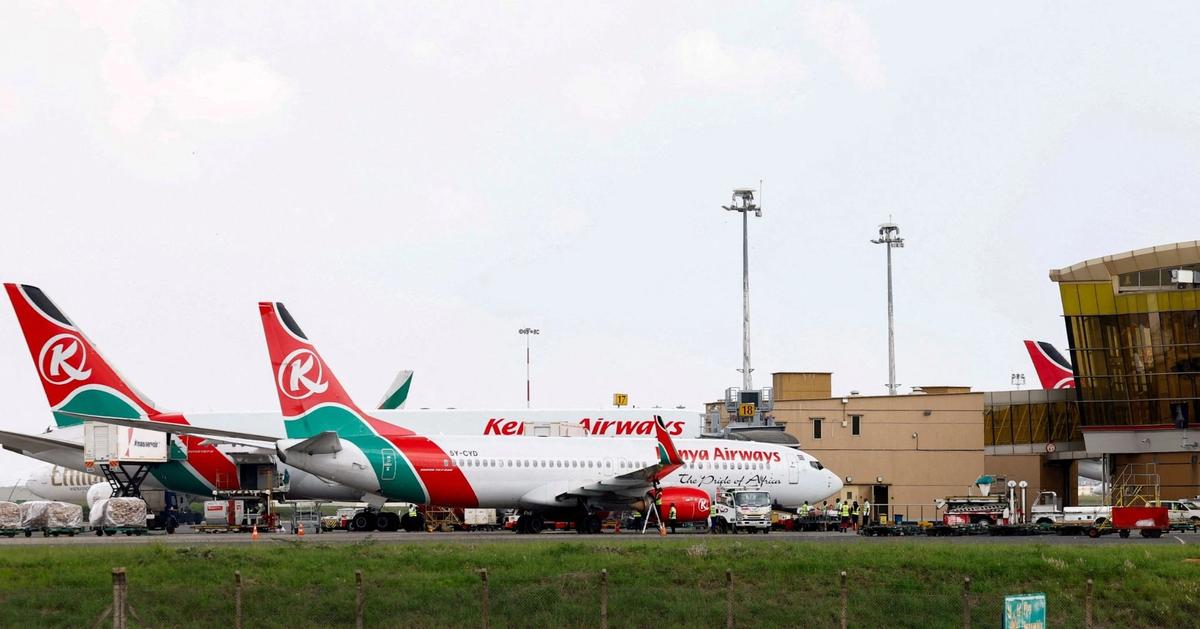
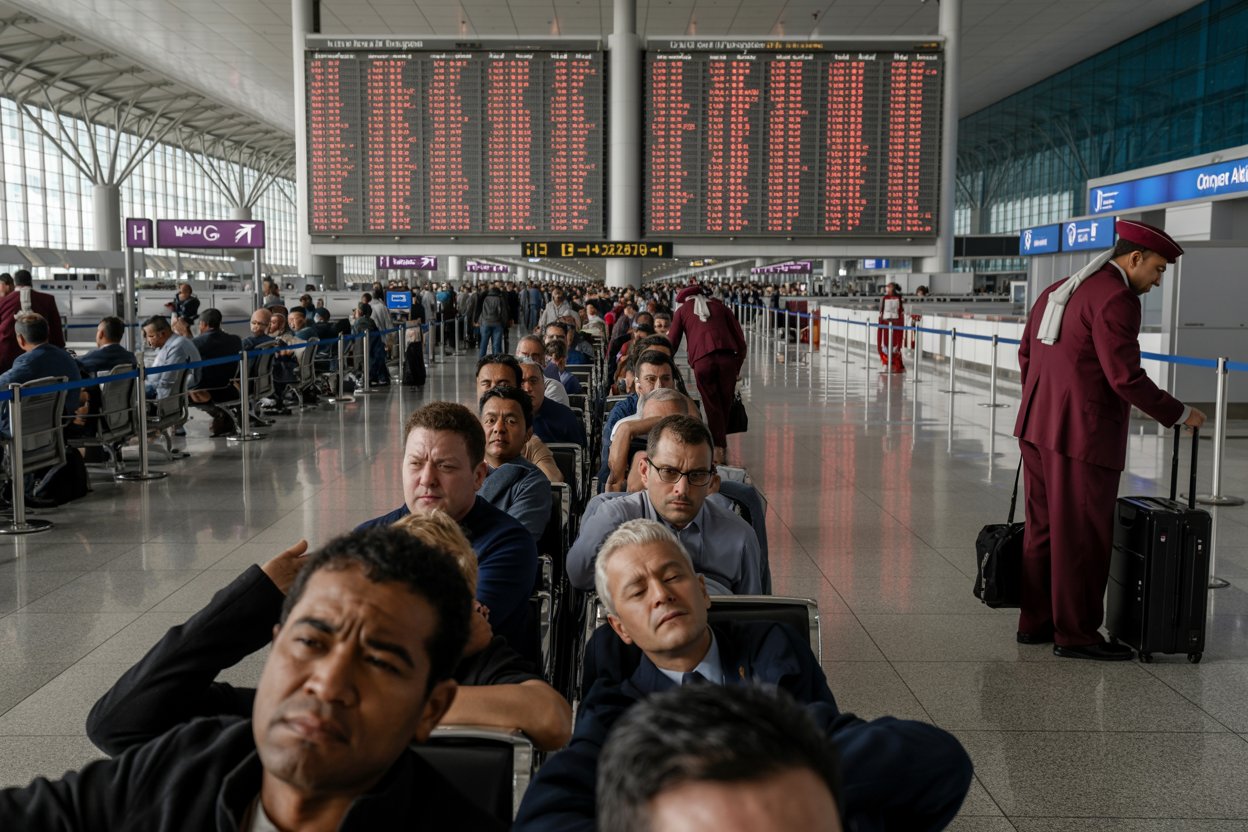
The article reports on the significant backlash from tourists in Australia, the US, the UK, China, and India over New Zealand’s new non-refundable NZ$100 tourism levy. This levy is imposed on all visa applicants, regardless of whether their visa applications are approved or rejected. The policy, which has been in place since 2024, has sparked outrage due to its perceived unfairness, especially given the high travel costs and long-haul flights associated with these countries. The levy has put pressure on airlines and hotels, who are bracing for potential backlash from this controversial decision. The article highlights the financial impact on travelers and the potential ripple effects on New Zealand’s tourism industry, which heavily relies on these key markets.
Key Points:
Actionable Takeaways:
Impact on Travelers: The non-refundable levy could deter potential tourists from these key markets due to the financial burden, even if their visa applications are not approved. This could lead to a decline in tourist numbers and affect New Zealand’s tourism revenue.
Industry Response: Airlines and hotels in New Zealand are likely to face increased pressure and potential backlash from this policy. They may need to reassess their pricing strategies and customer service approaches to mitigate any negative impacts on their businesses.
Need for Policy Review: There is a clear need for New Zealand to review this policy to ensure it aligns with international travel standards and does not unduly penalize travelers. Policymakers should consider making the levy refundable or adjusting its application criteria to mitigate the negative impact on international tourists.
Contextual Insights:
The introduction of the non-refundable tourism levy by New Zealand reflects a broader trend in the travel industry where countries are implementing new fees and charges to fund various sectors, including tourism. However, this approach must be carefully balanced to ensure it does not disproportionately affect travelers from key markets, which are crucial for the tourism industry’s growth. The article highlights the importance of considering the financial implications for travelers, especially those from countries with high travel costs and long-haul flights. This policy underscores the need for travel tech solutions that can help manage such fees more transparently and fairly. Additionally, it signals a potential shift towards more consumer-centric policies in the travel industry, where the end-user experience is prioritized. The response from airlines and hotels suggests that the travel sector is increasingly aware of the need to adapt to regulatory changes while maintaining customer satisfaction.
Read the Complete Article.
Get curated travel AI insights — choose the newsletters that matter to you.
This spot is reserved for brands with a compelling story for the travel trade. They use this space to cut...
Read moreDetailsALTOUR Expands into Thailand, Strengthening Corporate Travel Network Across Southeast Asia BANGKOK, THAILAND (25 March, 2026) – ALTOUR, a leading...
Read moreDetails


Comprehensive Summarization: The article discusses the rising costs of agricultural fertilizers, primarily driven by tensions in the Middle East and...
Read moreDetails