





















Travel Capitalist Ventures Expands Check Size to $10 Million to Deepen Emerging Market Conviction
Boutique Travel VC raises investment cap from $1.5M to $10M to lead rounds and support portfolio companies through growth Travel...
Read moreDetails
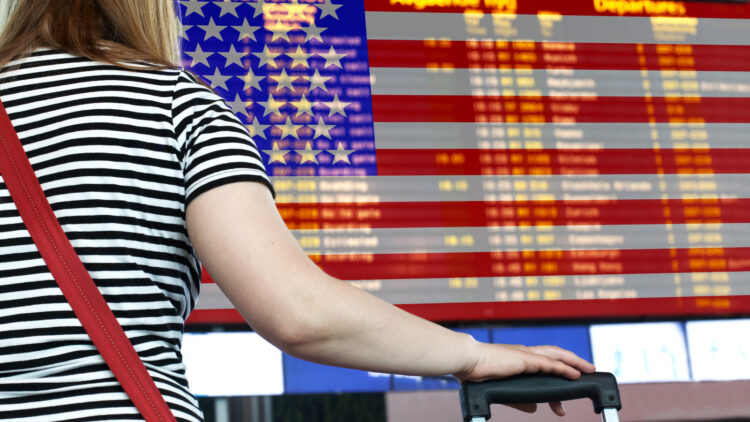
Female traveler at a US airport looking at the flight board with the American flag visible
Article Summary:
The article reports a decline in Indian tourists visiting the U.S. for the first time since the early 2000s, amid stricter visa norms and ongoing trade wars. However, China has eased visa restrictions for Indian tourists, and the two countries are collaborating to attract more Indian tourists to China. This development highlights the evolving dynamics in international tourism, particularly between the U.S., India, and China, and the impact of visa policies on travel trends.
Key Points:
Actionable Takeaways:
Contextual Insights:
The decline in Indian tourists to the U.S. reflects broader trends in international travel, influenced by geopolitical factors such as trade wars and visa restrictions. The easing of visa rules by China for Indian tourists highlights a strategic move to boost tourism, demonstrating how policy changes can significantly impact travel dynamics. This context underscores the importance of adaptive strategies in the travel industry, particularly in leveraging technological advancements and international collaborations to overcome barriers and capitalize on emerging markets. As travel tech continues to evolve, innovations in visa processing and digital engagement will play a crucial role in shaping future tourism trends.
Read the Complete Article.
Boutique Travel VC raises investment cap from $1.5M to $10M to lead rounds and support portfolio companies through growth Travel...
Read moreDetails



Comprehensive Summarization: Kenya Airways has reported flight disruptions at Jomo Kenyatta International Airport (JKIA) due to low visibility. The airline...
Read moreDetails
