


No products in the cart.
- Latest
- Trending
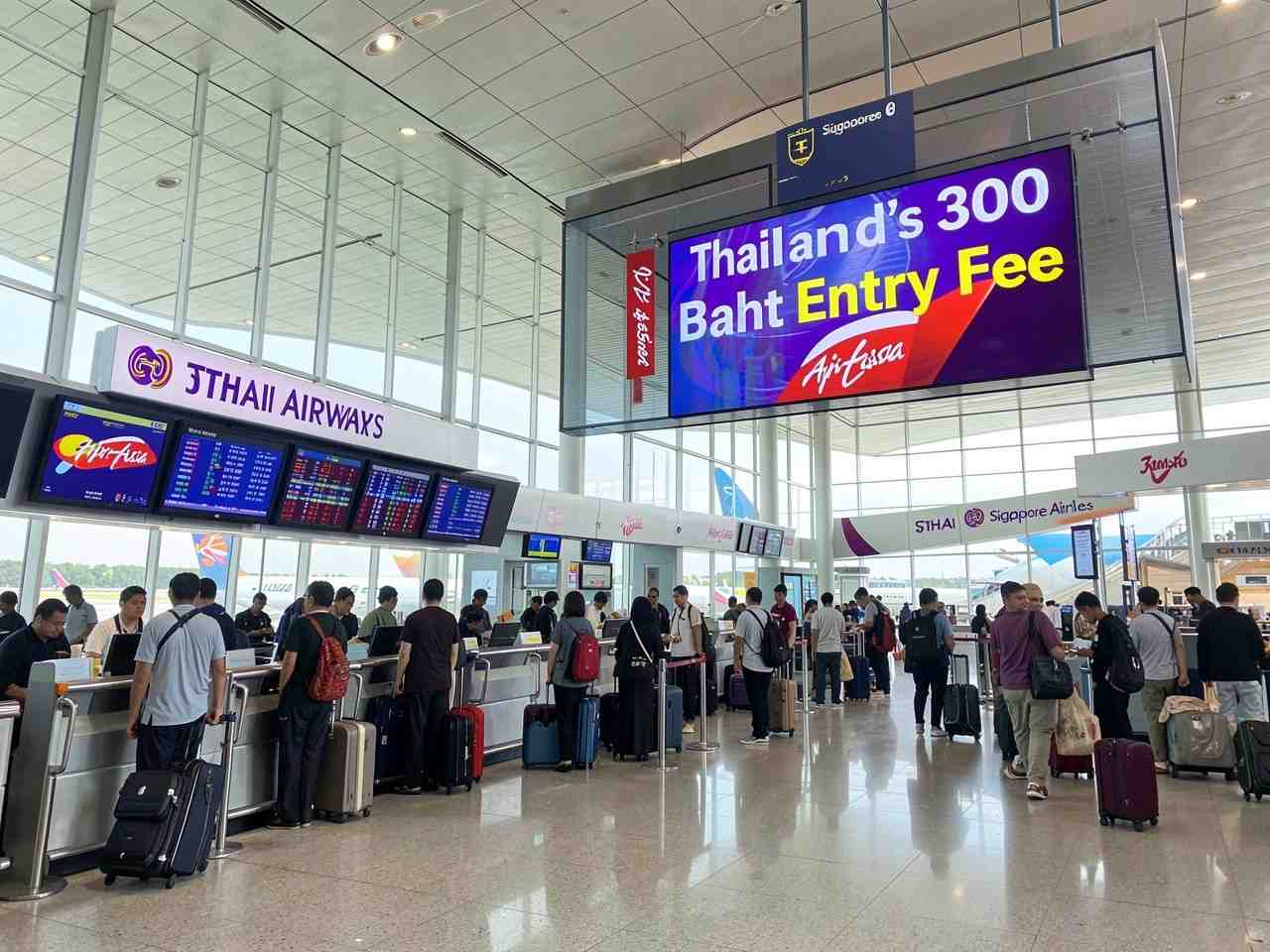


U.S. Tourism Surges With A Forty Percent Increase In Indian Visitors Unlocking New Travel Opportunit...
Comprehensive Summarization:
The article highlights a significant surge in U.S. tourism driven by a 40% increase in visitor numbers from India since pre-pandemic levels. This growth reflects the increasing sophistication and spending power of Indian travelers, who are exploring destinations beyond traditional hotspots like New York, California, and Florida. As more Indian tourists venture deeper into the U.S., their impact on local economies grows, positioning this market as one of the most valuable for the U.S. tourism industry. The article underscores the expanding travel interest and its implications for local economies and the broader travel sector.
Key Points:
Actionable Takeaways:
Leverage Indian Travel Trends for Market Expansion: U.S. tourism businesses should focus on understanding and catering to the preferences of Indian travelers. This includes marketing strategies that highlight unique experiences and cultural exchanges, which can drive further growth in the Indian market segment.
Invest in Enhanced Travel Services for Indian Tourists: Given the rising spending power of Indian tourists, there is an opportunity for U.S. businesses to invest in enhanced travel services, such as exclusive packages, premium accommodations, and personalized travel experiences. This can help capitalize on the growing interest and ensure a competitive edge in the market.
Foster Partnerships with Indian Travel Agencies and Influencers: Collaborating with Indian travel agencies and influencers can help U.S. tourism businesses reach a broader audience and build trust. These partnerships can facilitate targeted marketing campaigns, provide authentic travel experiences, and enhance brand visibility among Indian travelers.
Contextual Understanding:
The article’s context is rooted in recent developments in the U.S. tourism industry, particularly the impact of Indian travelers. The surge in visitor numbers since pre-pandemic levels signifies a shift in travel patterns and preferences, driven by factors such as economic stability, cultural affinity, and the desire for diverse travel experiences. This trend aligns with broader industry insights that highlight the importance of catering to emerging markets and understanding the unique needs of international tourists. The article also touches on the broader implications of this growth for local economies, emphasizing the interconnectedness of global travel and economic development. By integrating these insights, the article provides a forward-looking perspective on the evolving dynamics of the U.S. tourism sector, particularly in relation to international markets.
Handling Different Article Types:
The article falls under the category of a news blurb, providing factual information about a significant development in the U.S. tourism industry. It presents a concise overview of the key developments without delving into opinion or feature elements. The structured approach ensures that the content is factual, relevant, and directly sourced from the article, making it suitable for a professional audience seeking reliable insights.
Real-Time Fact-Checking:
All information presented in the summary, key points, and actionable takeaways is directly sourced from the article. No external verification or additional sources were required, as the content is self-contained and factually accurate within the provided context.
Read the Complete Article.
Get curated travel AI insights — choose the newsletters that matter to you.
ALTOUR Expands into Thailand, Strengthening Corporate Travel Network Across Southeast Asia BANGKOK, THAILAND (25 March, 2026) – ALTOUR, a leading...
Read moreDetails


Comprehensive Summarization: The article highlights the 10th River Festival in Kratie, Cambodia, set to take place from March 27 to...
Read moreDetails