




No products in the cart.
- Latest
- Trending


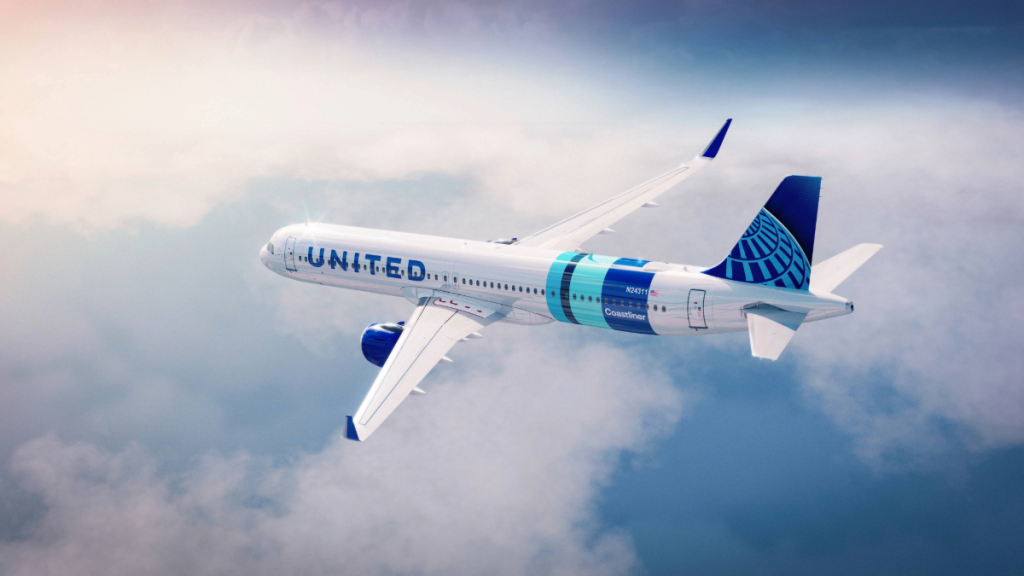
Imports of aircraft from US may boost tourism, bring down air fares: Goyal
Comprehensive Summarization:
The article discusses Commerce and Industry Minister Piyush Goyal’s optimism regarding a potential USD 100 billion import of aircraft, engines, and spare parts from the US under a new interim trade pact. Goyal highlighted that such imports could boost India’s tourism sector and potentially lower airfares. The joint statement issued by both countries outlines India’s intention to purchase USD 500 billion worth of US energy products, aircraft and aircraft parts, precious metals, technology products, and coking coal over the next five years. Goyal also emphasized India’s reliance on the US for coking coal to support its steel production. The article concludes by referencing the latest travel trends and insights from industry thought leaders, providing a forward-looking perspective on the evolving travel landscape.
Key Points:
Actionable Takeaways:
Enhanced Tourism Potential: The import of aircraft could significantly boost India’s tourism sector by making air travel more accessible and affordable. This could lead to increased tourist arrivals, benefiting the hospitality and travel industries. Relevance: Directly impacts the travel and tourism sector by potentially increasing demand and revenue.
Supply Chain Strengthening: By importing coking coal from the US, India can strengthen its supply chain for steel production. This could lead to more efficient and cost-effective steel manufacturing, supporting various industries reliant on steel. Relevance: Critical for sectors such as construction, automotive, and manufacturing, which depend on steel for their operations.
Strategic Trade Relations: The trade pact highlights a strategic shift in India’s trade relations, focusing on high-value imports from the US. This could lead to increased investment and collaboration between the two countries in sectors like aerospace, energy, and technology. Relevance: Important for fostering economic growth and innovation through strengthened bilateral trade ties.
Contextual Insights:
The article reflects the ongoing trend of countries diversifying their trade partners and focusing on high-value imports to stimulate economic growth. The emphasis on coking coal underscores India’s continued reliance on steel production, a critical sector for infrastructure development and industrial growth. The potential reduction in airfares due to increased aircraft imports aligns with the broader trend of making travel more affordable and accessible, which is a key driver in the travel industry’s growth. Thought leaders in the travel sector are likely to view this development positively, as it could lead to increased tourist inflows and a more vibrant travel market. The focus on technology products and energy imports also signals a forward-looking approach, where India is positioning itself to leverage US technological advancements and energy resources to drive economic development. This context is crucial for understanding the broader implications of the trade pact on India’s economic and travel sectors.
Read the Complete Article.
Get curated travel AI insights — choose the newsletters that matter to you.
This spot is reserved for brands with a compelling story for the travel trade. They use this space to cut...
Read moreDetailsALTOUR Expands into Thailand, Strengthening Corporate Travel Network Across Southeast Asia BANGKOK, THAILAND (25 March, 2026) – ALTOUR, a leading...
Read moreDetails


Comprehensive Summarization: Wizz Air has initiated a strategic phase-out of its prior-generation Airbus A321 aircraft as part of its ongoing...
Read moreDetails