


















Travel Capitalist Ventures Expands Check Size to $10 Million to Deepen Emerging Market Conviction
Boutique Travel VC raises investment cap from $1.5M to $10M to lead rounds and support portfolio companies through growth Travel...
Read moreDetails
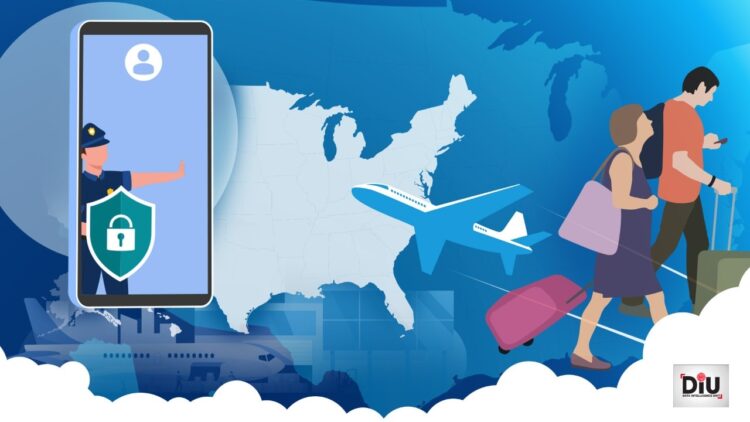
As the US widens travel ban, tourism numbers show early signs of strain
Article Summary:
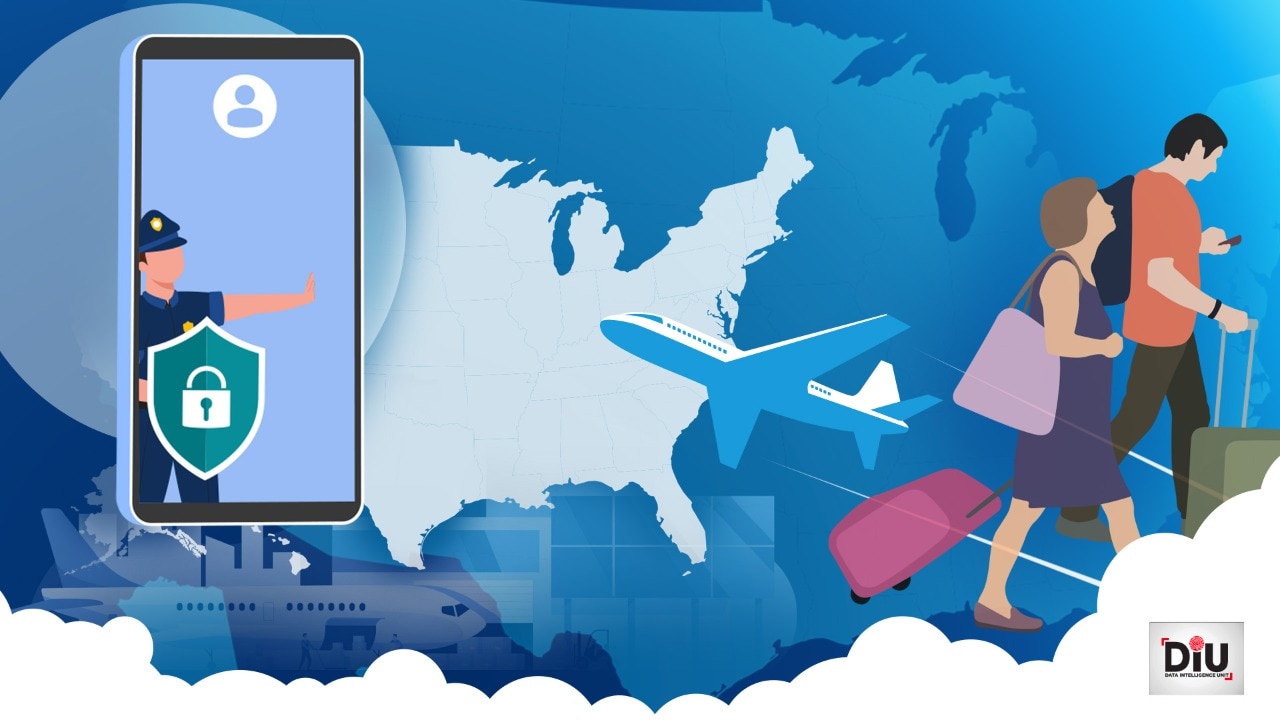
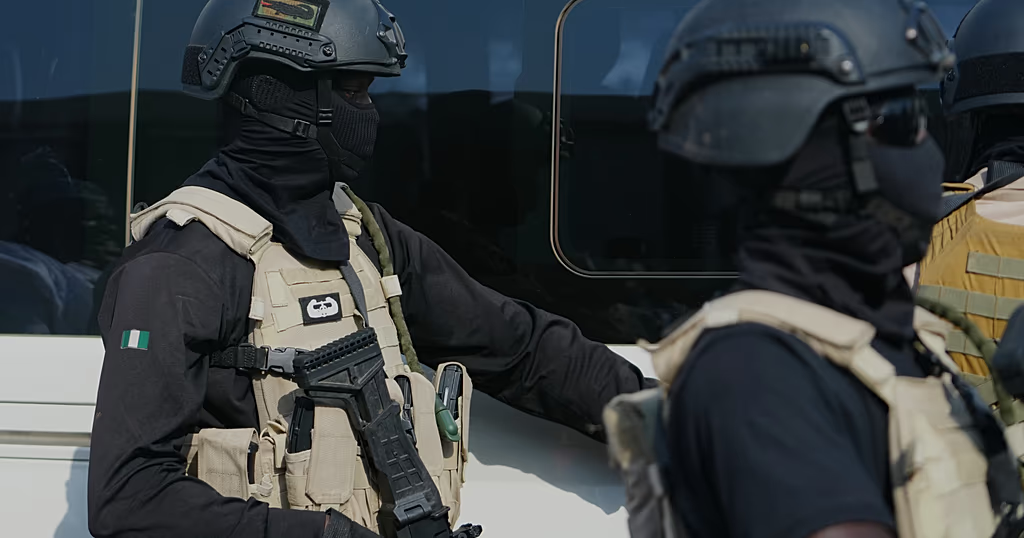
The article discusses the recent travel restrictions imposed by the United States, initiated by former President Donald Trump. These measures, which began in January and expanded in December, include enhanced vetting processes and bans on entry from multiple countries. The White House cited these restrictions as necessary to protect national security and public safety. However, the article raises questions about the effectiveness of these measures in enhancing security, while acknowledging their impact on tourism. Data from the US Department of Commerce indicates a decline in international arrivals, suggesting a negative effect on the travel industry.
Key Points:
Actionable Takeaways:
Contextual Insights:
The article reflects the ongoing tension between national security and economic interests in the travel industry. Recent events, such as the COVID-19 pandemic and geopolitical tensions, have underscored the need for robust security measures. However, the article also points to the potential negative impact of these measures on tourism, which is a critical sector for many economies. Thought leaders in the travel industry are increasingly advocating for a balanced approach that leverages technology to enhance security while minimizing disruptions to travel. This context suggests that the industry is at a pivotal moment, where innovative solutions are needed to navigate the complex interplay between safety and accessibility.
Read the Complete Article.
Boutique Travel VC raises investment cap from $1.5M to $10M to lead rounds and support portfolio companies through growth Travel...
Read moreDetails




