



















Travel Capitalist Ventures Expands Check Size to $10 Million to Deepen Emerging Market Conviction
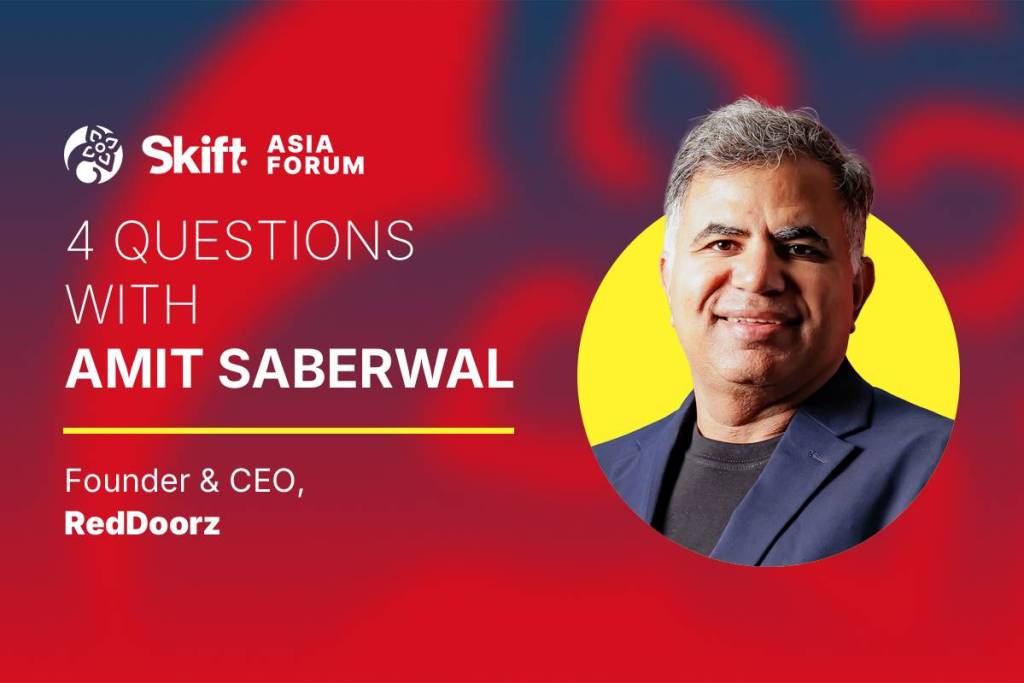
Boutique Travel VC raises investment cap from $1.5M to $10M to lead rounds and support portfolio companies through growth Travel...
Read moreDetails
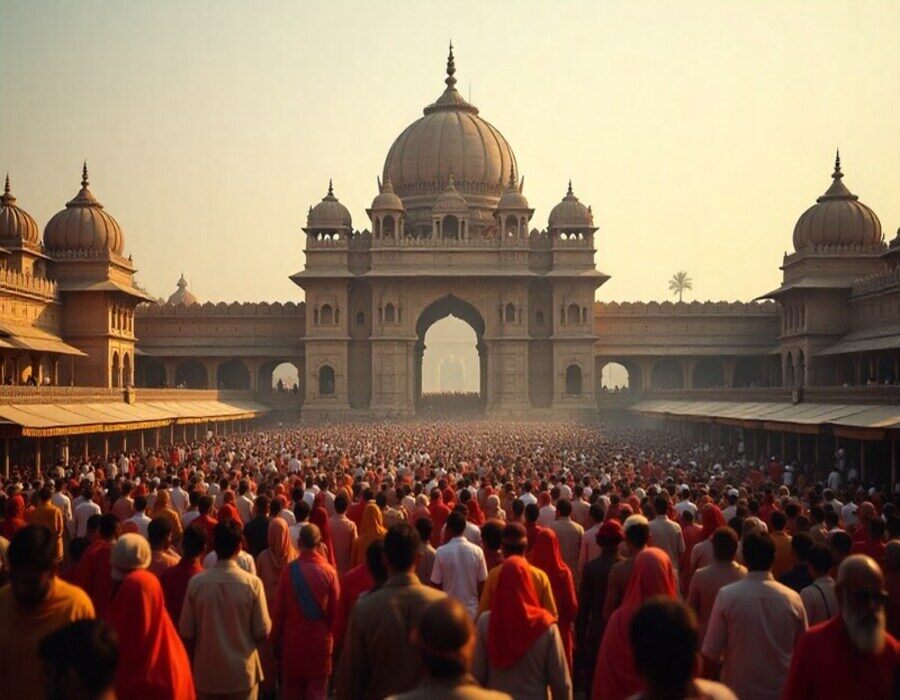
Uttar Pradesh Emerges as India’s Leading Spiritual Tourism Hub with Unprecedented Surge in Religious...
Article Summary:
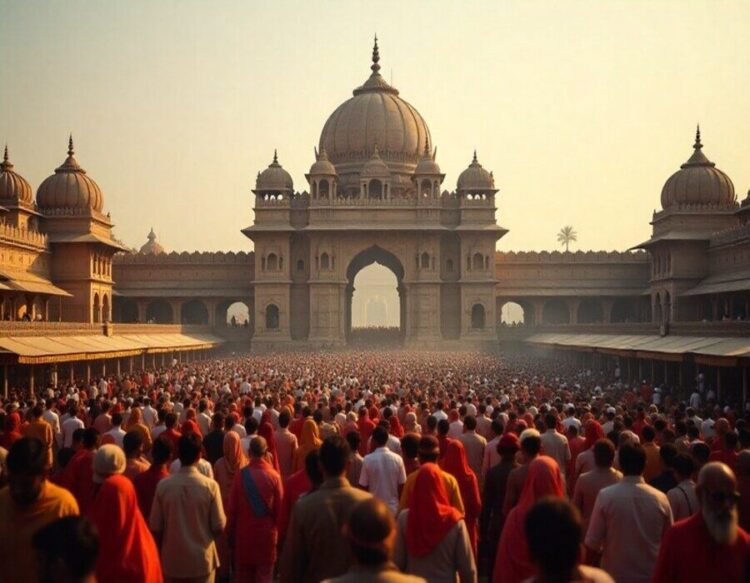
Uttar Pradesh has emerged as India’s leading spiritual tourism hub, experiencing an unprecedented surge in religious pilgrimages and significant infrastructure developments. The state has strategically focused on revitalizing sacred sites such as the Ram temple in Ayodhya and the Kashi Vishwanath Corridor in Varanasi, with Prayagraj becoming a key pilgrimage destination. This growth is attributed to the state’s commitment to enhancing spiritual tourism infrastructure, attracting millions of devotees and solidifying its position in the global spiritual tourism market.
Key Points:
Actionable Takeaways:
Contextual Insights:
The surge in religious tourism in Uttar Pradesh reflects broader trends in the travel industry towards spiritual and cultural tourism. Recent events, such as the completion of the Ram temple in Ayodhya, have heightened interest in religious sites, driving pilgrim arrivals. Technological advancements in travel planning and booking have also played a role, making it easier for devotees to plan their journeys. This article underscores the importance of strategic planning and investment in spiritual tourism infrastructure, a trend that is likely to continue shaping the travel industry in the coming years.
Read the Complete Article.
Boutique Travel VC raises investment cap from $1.5M to $10M to lead rounds and support portfolio companies through growth Travel...
Read moreDetails



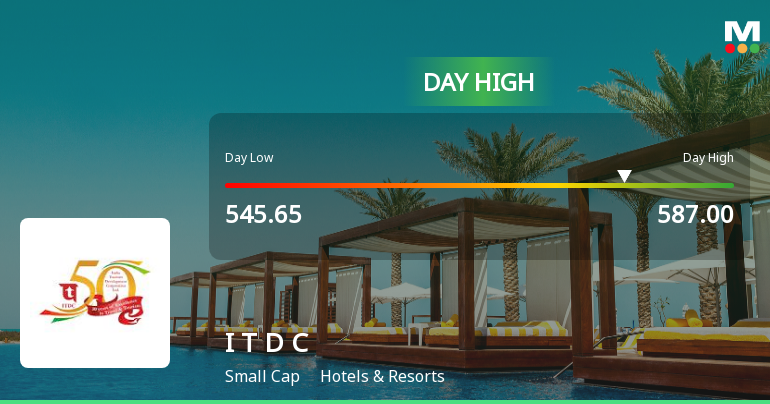
Comprehensive Summarization: The article discusses the significant intraday performance of India Tourism Development Corporation Ltd (ITDC), which opened with a...
Read moreDetails
