




















Travel Capitalist Ventures Expands Check Size to $10 Million to Deepen Emerging Market Conviction
Boutique Travel VC raises investment cap from $1.5M to $10M to lead rounds and support portfolio companies through growth Travel...
Read moreDetails
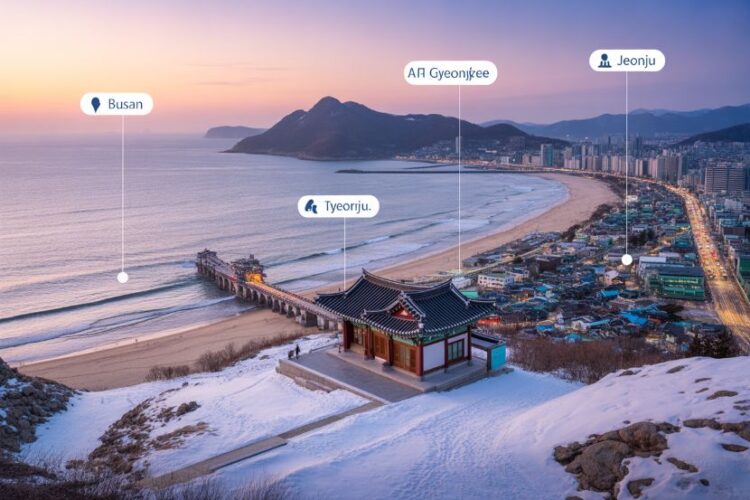
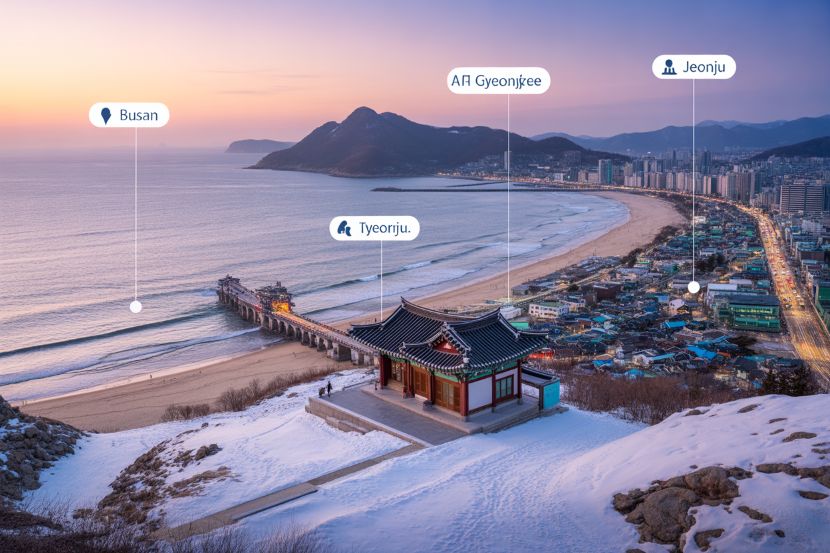
The Future of Tourism in Korea: AI’s Role, Busan’s Rise, and Regional Travel Growth Across Gyeongju,...
Article Summary:
The article discusses the evolving landscape of Korea’s tourism industry as it pivots towards 2026, emphasizing personalized travel experiences, regional exploration, and AI-driven travel planning. The focus is on catering to the diverse and individual needs of tourists, driven by evolving traveler behavior, technological advancements, and a weakening won. This shift marks a significant turning point in how travelers approach their vacations, integrating technology with cultural immersion and unique regional experiences. Busan is highlighted as a rising star in this transformation, alongside other regions like Gyeongju and Jeonju, which are gaining prominence in the travel sector.
Key Points:
Actionable Takeaways:
Contextual Insights:
The article reflects the current trend in the travel industry towards personalization and technology integration. With a weakening won, there is a greater incentive for travelers to explore beyond traditional destinations, making personalized and regional experiences more appealing. The rise of AI in travel planning is a direct response to changing traveler behavior, where convenience and customization are paramount. Busan’s emergence as a key player in this transformation underscores the importance of regional tourism in diversifying and strengthening the tourism sector. These insights are crucial for travel companies and startups aiming to stay competitive and relevant in the evolving landscape of global travel.
Read the Complete Article.
Boutique Travel VC raises investment cap from $1.5M to $10M to lead rounds and support portfolio companies through growth Travel...
Read moreDetails




