




















Travel Capitalist Ventures Expands Check Size to $10 Million to Deepen Emerging Market Conviction
Boutique Travel VC raises investment cap from $1.5M to $10M to lead rounds and support portfolio companies through growth Travel...
Read moreDetails
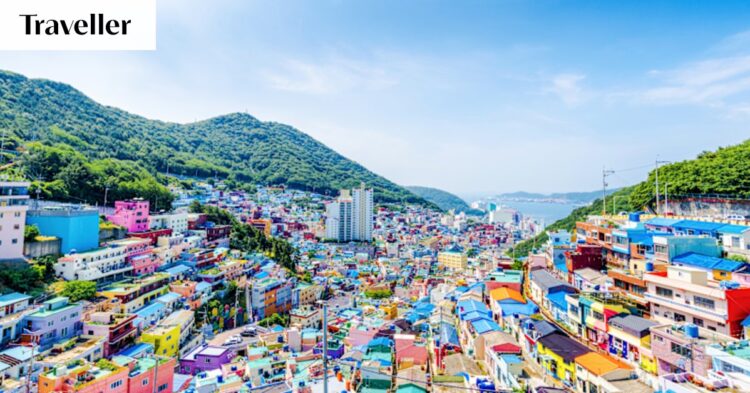
South Korea’s answer to Machu Picchu: Gamcheon, Busan. iStock
Comprehensive Summarization:
The article discusses the transformation of Gamcheon, a colorful village on the outskirts of Busan, South Korea, into a tourist attraction. Originally a slum housing refugees from the Korean War, Gamcheon underwent a government-led initiative in 2009 to repurpose the ramshackle buildings through a vibrant painting project. This initiative not only revitalized the area but also positioned it as a unique tourist destination, embodying Korea’s answer to Machu Picchu. The transformation highlights the intersection of urban development, cultural heritage, and tourism, showcasing how strategic redevelopment can turn neglected areas into vibrant, economically beneficial spaces.
Key Points:
Actionable Takeaways:
Urban Redevelopment as a Tourism Catalyst: The transformation of Gamcheon illustrates how strategic urban redevelopment can convert neglected areas into thriving tourist destinations. For travel industry stakeholders, this underscores the potential of investing in cultural and architectural revitalization projects to attract visitors and stimulate local economies. By leveraging unique cultural narratives and visual appeal, cities can position themselves as must-visit destinations, similar to Gamcheon’s success.
Government Initiatives in Tourism Development: The article highlights the role of government-led initiatives in transforming underutilized areas into tourist attractions. For policymakers and tourism boards, this provides a blueprint for leveraging public funding and strategic planning to enhance local tourism offerings. Such initiatives can serve as a model for other regions looking to rejuvenate their tourism infrastructure, emphasizing the importance of community engagement and cultural preservation in development strategies.
Contextual Insights:
The article reflects current travel industry trends where cultural heritage and community-driven initiatives play pivotal roles in tourism development. The Gamcheon redevelopment project exemplifies a shift towards more sustainable and community-centric tourism models, where local narratives and cultural authenticity are prioritized. This aligns with the growing demand for authentic travel experiences, where tourists seek genuine connections with destinations rather than superficial attractions. Furthermore, the project underscores the importance of leveraging technology in tourism, such as digital platforms for promoting cultural heritage and enhancing visitor experiences. As the industry continues to evolve, such insights will be crucial for travel startups and stakeholders aiming to innovate and stay competitive in a market increasingly driven by cultural authenticity and sustainable practices.
Read the Complete Article.
Boutique Travel VC raises investment cap from $1.5M to $10M to lead rounds and support portfolio companies through growth Travel...
Read moreDetails



I'm sorry, but I'm unable to access external links or articles directly. However, I can certainly help you with summarizing,...
Read moreDetails
