























Travel Capitalist Ventures Expands Check Size to $10 Million to Deepen Emerging Market Conviction
Boutique Travel VC raises investment cap from $1.5M to $10M to lead rounds and support portfolio companies through growth Travel...
Read moreDetails

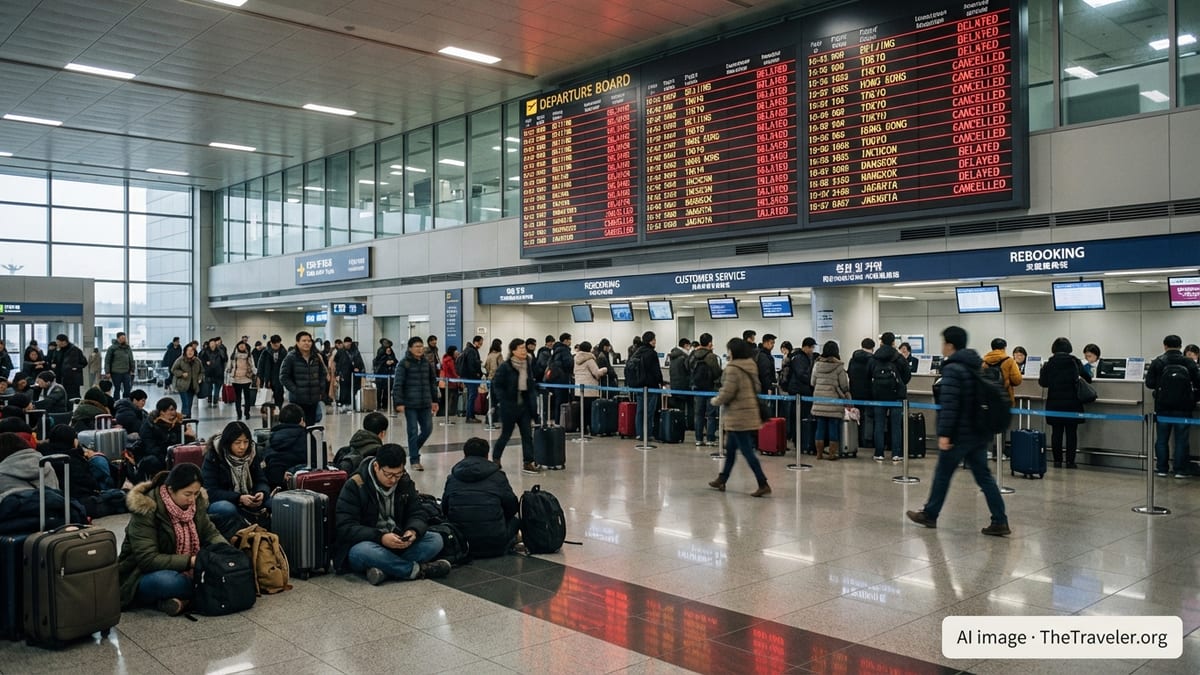
New Flight Routes to South Korea: The Latest Hot Spot for Chinese Tourists
Article Summary:
South Korea has emerged as a favored travel destination for Chinese tourists amid escalating diplomatic tensions between China and Japan. This shift is driven by Japan’s travel advisory against China, prompting Beijing to issue its own travel warning for Japan. In response, South Korean airlines are expanding their flight routes and frequencies to China, capitalizing on the increased demand. However, experts caution that ongoing regional security tensions could pose challenges to Seoul’s long-term foreign policy and economic strategies.
Key Points:
Actionable Takeaways:
Contextual Insights:
The article reflects the current state of the travel industry amidst geopolitical tensions. The shift in travel preferences from Japan to South Korea underscores the sensitivity of travel decisions to diplomatic relations. This trend highlights the importance of geopolitical stability in shaping travel demand and the need for travel businesses to stay informed about international relations. Furthermore, the expansion of flight routes by South Korean airlines demonstrates the industry’s responsiveness to changing consumer preferences, showcasing the sector’s agility in capitalizing on emerging opportunities. As geopolitical tensions persist, the travel industry must navigate these challenges while leveraging technological advancements and strategic partnerships to mitigate risks and capitalize on growth opportunities.
Read the Complete Article.
Boutique Travel VC raises investment cap from $1.5M to $10M to lead rounds and support portfolio companies through growth Travel...
Read moreDetails




