
















Travel Capitalist Ventures Expands Check Size to $10 Million to Deepen Emerging Market Conviction
Boutique Travel VC raises investment cap from $1.5M to $10M to lead rounds and support portfolio companies through growth Travel...
Read moreDetails
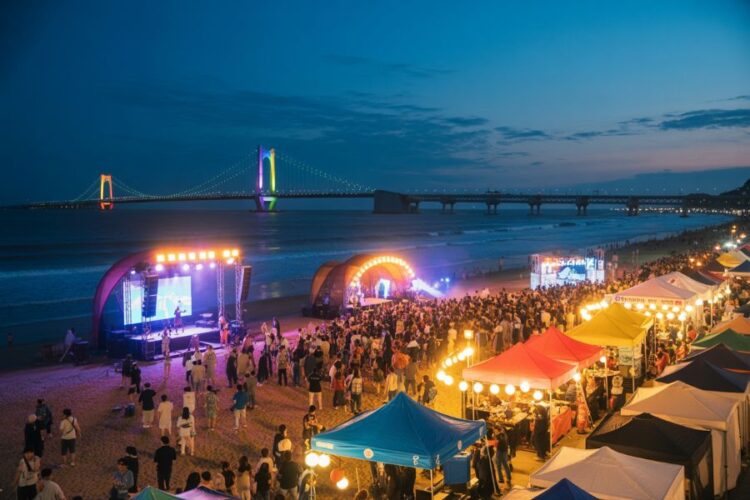
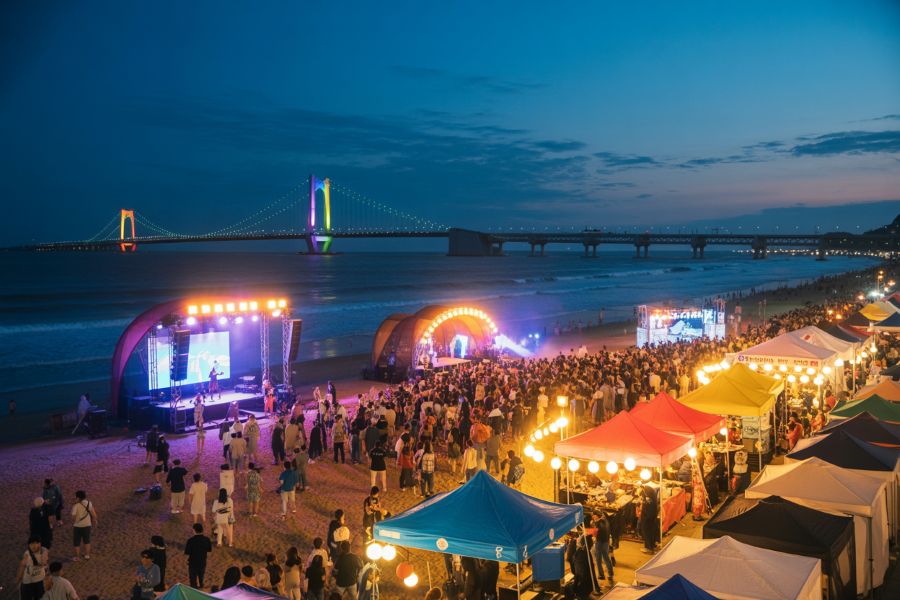
Busan Secures Global Spotlight: South Korea’s Tourism Soars With Three Nationally Recognised Festiva...
Comprehensive Summarization:
The article highlights Busan, a coastal city in South Korea, as it secures a global spotlight through three nationally recognized festivals: the Busan International Rock Festival, the Dongnae Eupseong History Festival, and the Gwangalli Eobang Festival. These festivals have been officially designated as Culture and Tourism Festivals for the period of 2026 to 2027, a recognition granted by the Ministry of Culture, Sports, and Tourism. This move establishes Busan as a major cultural and tourism center throughout Asia, showcasing the city’s musical heritage and diverse cultural identity. The festivals are pivotal in demonstrating Busan’s unique blend of tradition and modernity, attracting international attention and reinforcing its position as a key player in the global tourism landscape.
Key Points:
Actionable Takeaways:
Enhance Cultural Festival Offerings: Busan can leverage its newly recognized festivals to further enhance its cultural offerings, focusing on unique cultural experiences that differentiate it from other Asian tourism destinations. This could involve expanding festival programming, improving festival infrastructure, and marketing these festivals more aggressively to international tourists.
Invest in Tourism Infrastructure: To support the growing influx of tourists attracted by the festivals, Busan should invest in enhancing its tourism infrastructure. This includes improving public transportation, developing more tourist-friendly accommodations, and ensuring high-quality visitor services. Such investments will not only improve the visitor experience but also position Busan as a top-tier tourism destination in Asia.
Leverage Digital Marketing Strategies: Given the global spotlight on Busan’s festivals, there is an opportunity to leverage digital marketing strategies to reach a broader international audience. This could involve creating engaging online content, utilizing social media platforms, and partnering with travel influencers to promote the festivals. Effective digital marketing can drive more traffic to Busan, thereby boosting its tourism economy.
Contextual Insights:
The recognition of Busan’s festivals as Culture and Tourism Festivals for 2026 to 2027 is a strategic move that aligns with current industry trends emphasizing cultural experiences as a key driver of tourism. This development reflects a broader trend in the travel industry towards promoting destinations through unique cultural and heritage offerings. As more travelers seek authentic and immersive experiences, cities like Busan that can offer rich cultural festivals stand to gain significant advantages. Furthermore, the involvement of the Ministry of Culture, Sports, and Tourism in this recognition highlights the government’s commitment to fostering tourism as a key sector of the economy. This context underscores the importance of cultural festivals in enhancing a city’s appeal and reinforces Busan’s position as a forward-thinking tourism hub in Asia. The integration of digital marketing strategies further aligns with the current emphasis on leveraging technology to enhance the travel experience and reach a global audience, ensuring Busan remains at the forefront of the evolving travel landscape.
Read the Complete Article.
Boutique Travel VC raises investment cap from $1.5M to $10M to lead rounds and support portfolio companies through growth Travel...
Read moreDetails



Comprehensive Summarization: Atlys, a visa processing platform founded in 2021 by Mohak Nahta, has announced its first Employee Stock Ownership...
Read moreDetails
